-
by sayum
25 August 2026 11:12 PM







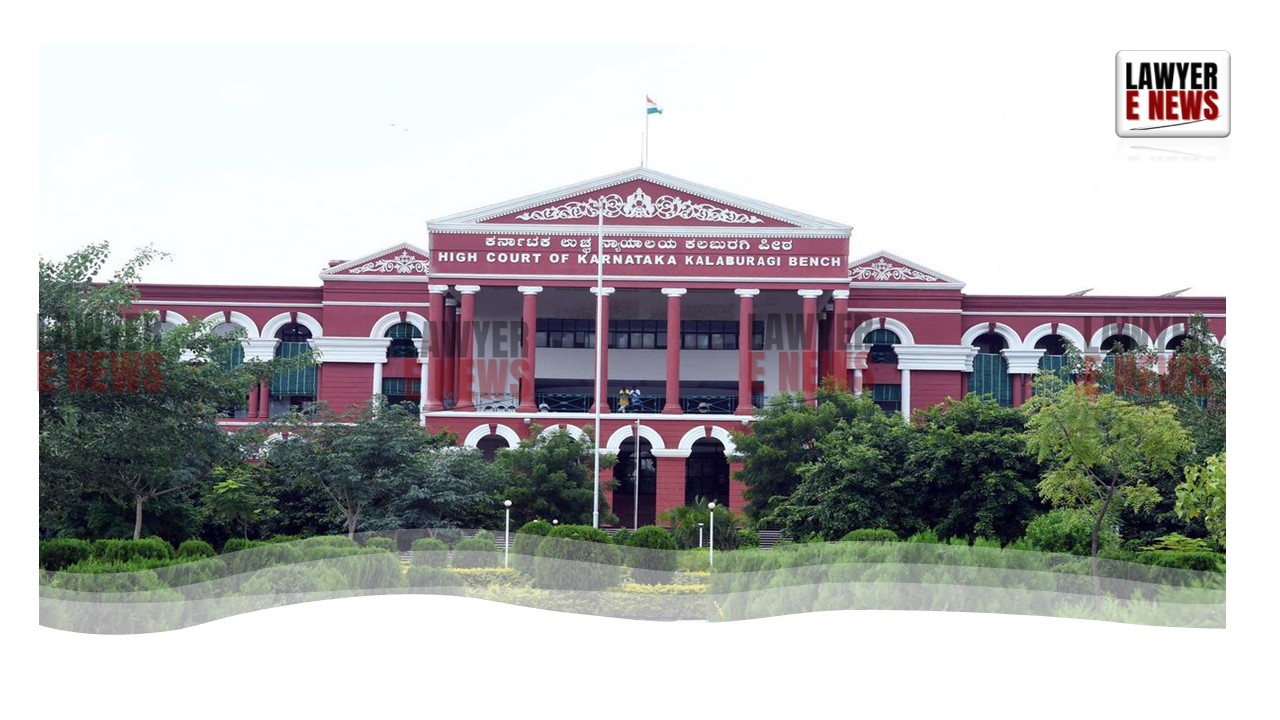
“Statutory Remedy Under Section 37 Is Clear – Writ Under Articles 226/227 Cannot Bypass It,” In a latest judgement Karnataka High Court dismissed a writ petition filed in execution proceedings under Order XXI of the Civil Procedure Code, while permitting its conversion into a Commercial Appeal under the Commercial Courts Act, 2015. Justice Pradeep Singh Yerur, sitting in civil original jurisdiction, held that once a statutory appellate remedy exists under Section 37 of the Commercial Courts Act, the petitioner cannot invoke writ jurisdiction under Articles 226 and 227 of the Constitution.
The case, Anwar Jan v. M/s. Sri Raghavendra Enterprises and Another, arose out of a challenge to an order passed in execution proceedings initiated before the Commercial Court. The petitioner had moved the High Court under Order XXI Rules 97 to 105 CPC, seeking to contest certain aspects of the execution, but opted for a writ petition rather than the statutorily provided appeal route.
“Once A Statutory Remedy Exists, Writ Jurisdiction Cannot Be Invoked To Bypass The Appellate Forum”
During the hearing, the petitioner sought permission to convert the writ petition into a Commercial Appeal, citing the urgency to avoid delays and continue interim protection. A memo to this effect was submitted to the Court, which read:
“The petitioner humbly prays… to permit the petitioner to convert the above writ petition as Commercial Appeal... and interim order granted may be continued for a further period… till fresh application is filed for seeking interim order before the Division Bench…”
While taking note of this submission, the Court was categorical in reiterating the settled position of law:
“It would not be open for this Court to extend the interim order when the petition itself would not be maintainable before this Court,” observed Justice Yerur.
Writ Petition Statistically Disposed Of; Registry Directed To Facilitate Filing Of Commercial Appeal
The High Court, while declining to continue the interim protection in the writ, granted liberty to the petitioner to move the Division Bench under Section 37 of the Commercial Courts Act and seek appropriate interim relief there.
Emphasizing procedural propriety and jurisdictional discipline, the Court held:
“Learned counsel for petitioner shall comply with the necessary requirements of satisfaction of the commercial appeal pleadings before the Division Bench of this Court… It may not be appropriate for this Court to extend the interim order at this stage.”
The writ petition was accordingly disposed of for statistical purposes, and the Registry was directed to immediately hand over the file to enable the petitioner to file a Commercial Appeal.
Commercial Courts Act Offers Statutory Route – Judicial Discipline Requires Exhaustion of Available Remedies
Although no binding precedents were cited in the judgment text, the respondent’s counsel relied on prior rulings of the Karnataka High Court, both from the Division Bench and Single Bench, reinforcing that the availability of an alternative statutory remedy bars writ jurisdiction. This principle, rooted in judicial restraint, has long been upheld to prevent the High Courts from acting as substitutes for statutory appellate forums.
Interim Relief Must Be Sought Before Proper Forum – High Court Declines Extension
On the issue of interim relief, the Court refused to extend any existing stay, citing lack of jurisdiction. Instead, it granted liberty to approach the Commercial Appellate Division:
“The petitioner would be at liberty to move the Commercial Appeal Court to seek any interim order, if he is so advised.”
This clear separation of jurisdictional powers and respect for statutory structure forms the core reasoning of the judgment.
In Anwar Jan v. M/s. Sri Raghavendra Enterprises and Another, the Karnataka High Court has reaffirmed a basic but critical procedural principle: when a statutory remedy is clearly provided by law, litigants must not bypass it through writ petitions. The judgment ensures that the hierarchy of forums under the Commercial Courts Act is respected and that the extraordinary powers under Article 226/227 are not used to circumvent due process. The decision offers important procedural guidance for future litigants engaged in execution disputes arising out of commercial proceedings.
Date of Decision: 15th December, 2025