-
by sayum
14 August 2026 3:21 PM







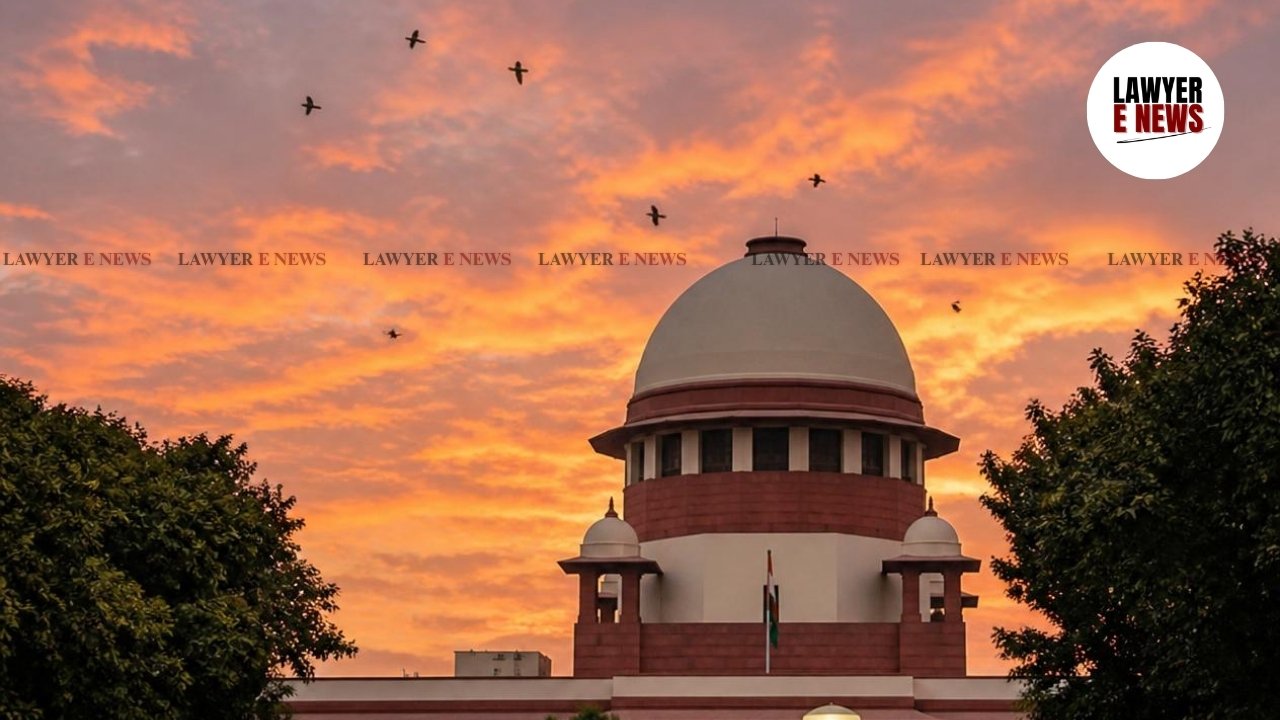
"Legally, obscenity is not synonymous with 'vulgarity', 'abuse' or 'profanity'. Use of mere swear words, profanities and vulgar expletives, however distasteful or uncivil they may be, cannot be equated with obscenity, " Supreme Court of India, in a significant ruling dated 17 July 2026, held that the mere use of abusive or vulgar expletives during a quarrel does not constitute the offence of obscenity under Section 294(b) of the Indian Penal Code.
A bench of Justice Sanjay Karol and Justice Vipul M. Pancholi observed that swear words used in a state of anger may be uncivil and distasteful, but they lack the lascivious element required to be termed legally obscene. The court further clarified that hollow threats made in the heat of the moment do not attract the charge of criminal intimidation.
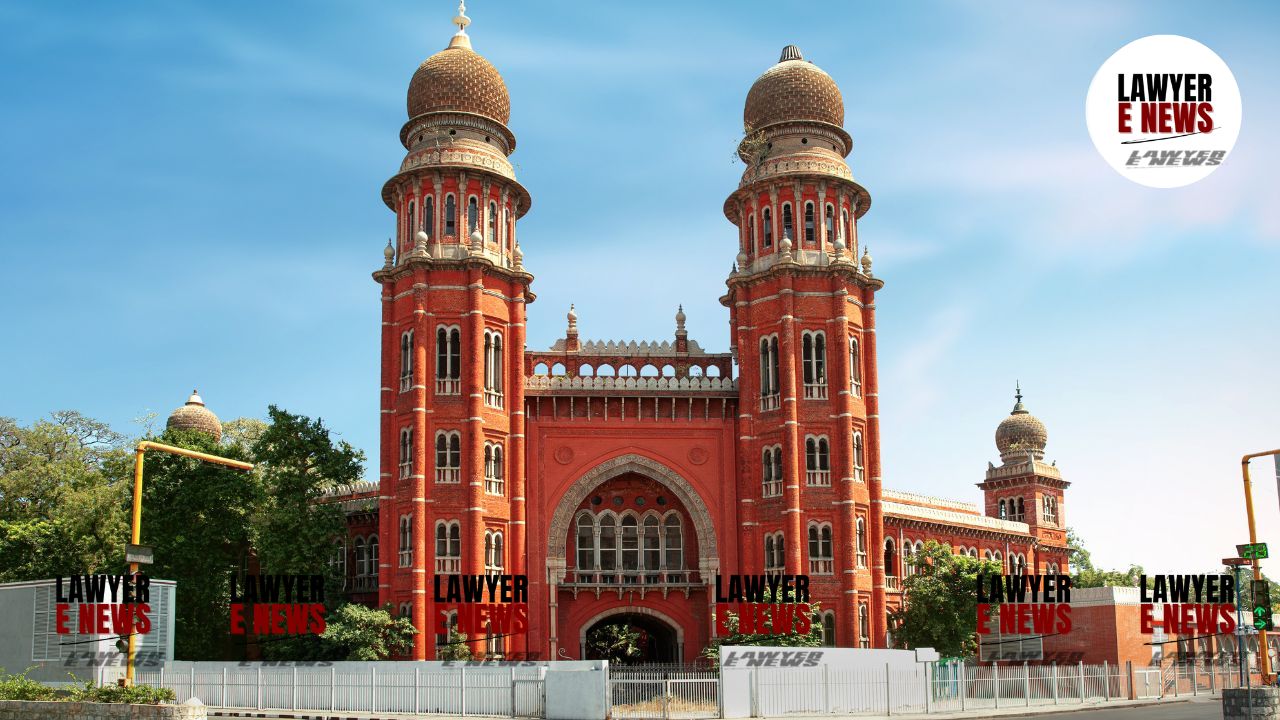
The appellant was accused of hurling caste-based slurs and vulgar abuses at the complainant during an altercation over a land dispute, before assaulting him with a billhook. The Trial Court convicted the appellant under various provisions of the IPC and the SC/ST Act, sentencing him to a maximum of five years in prison. The Madras High Court subsequently acquitted him of the SC/ST Act charges but confirmed his convictions under Sections 294(b), 326, and 506(ii) of the IPC, prompting his appeal to the Supreme Court.
The primary question before the court was whether the utterance of abusive swear words during a dispute satisfies the essential ingredients of obscenity under Section 294(b) of the IPC. The court was also called upon to determine if mere threatening words spoken in anger amount to criminal intimidation under Section 506(ii) of the IPC. Finally, the bench had to examine whether the conviction for voluntarily causing grievous hurt under Section 326 IPC could be legally sustained on the basis of the medical evidence on record.
Obscenity Requires Tendency To Deprave And Corrupt
Analyzing Section 294(b) of the IPC, the court noted that the prosecution must prove the offender uttered obscene words in or near a public place, causing annoyance to others. The bench extensively referred to landmark precedents, including Ranjit D. Udeshi v. State of Maharashtra and Aveek Sarkar v. State of W.B., which established the contemporary community standard test for obscenity. The court highlighted that to be legally actionable, a material or utterance must be lascivious, appeal to prurient interests, and possess a clear tendency to deprave impressionable minds.
"For an utterance to be considered obscene, it must be shown that it was lascivious, appealed to prurient interests and had the tendency to deprave and corrupt the minds of those who are exposed to it."
Vulgarity And Profanity Do Not Equal Obscenity
The court drew a sharp distinction between words that are merely abusive and those that are legally obscene. Referring to the appellant's use of extreme profanities, the bench clarified that while such verbal slang is highly offensive and rude, it does not inherently arouse sexual thoughts or lustful feelings. Relying on judgments like Apoorva Arora v. State (NCT of Delhi) and Samaresh Bose v. Amal Mitra, the court reiterated that vulgarity might evoke disgust or revulsion, but it cannot be mechanically classified as obscenity under the penal code.
"Mere use of threatening words during the course of an altercation, without the proof that it was intended to cause alarm to the complainant or to compel him to do or omit to do any act, would not be sufficient to bring in the application of this provision."
Threats Must Intend To Cause Actual Alarm
Turning to the conviction for criminal intimidation under Section 506(ii) IPC, the court found the prosecution's case severely lacking in foundational evidence. The complainant had alleged that the appellant waved a weapon and threatened to hack him during the quarrel. However, the bench ruled that uttering threatening words during the heat of a momentary altercation is not enough to satisfy the statute, relying on the principles laid down in Naresh Aneja v. State of U.P.
Mere Use Of Threatening Words Insufficient
The court emphasized that there must be concrete proof demonstrating an actual, deliberate intent to cause alarm to the victim or to compel them into doing an act against their legal will. The bench explicitly observed that the necessary legal threshold for Section 506(ii) IPC is much higher than simply shouting violent threats during a spat. Apart from the complainant's bald assertion, the court found absolutely nothing on record to indicate a genuine intent to criminally intimidate.
Grievous Hurt Conviction Upheld On Medical Evidence
Despite quashing the obscenity and intimidation charges, the Supreme Court firmly upheld the appellant's conviction under Section 326 IPC for voluntarily causing grievous hurt by dangerous weapons. The court noted that the medical evidence provided by the examining civil surgeon completely corroborated the eyewitness testimonies. A CT scan confirmed that the complainant suffered a fractured nasal bone, an injury that squarely falls within the seventh clause of the statutory definition of "grievous hurt" under Section 320 IPC.
The Supreme Court partially allowed the appeal, setting aside the convictions under Sections 294(b) and 506(ii) of the IPC. While affirming the conviction under Section 326 IPC, the court modified the appellant's sentence to imprisonment till the rising of the court. The bench factored in the appellant's advanced age of 70 years, his health condition, and the nature of the underlying civil land dispute, while simultaneously directing him to pay a fine of Rs. 50,000 within two months.
Date of Decision: 17 July 2026