-
by sayum
24 August 2026 3:22 PM







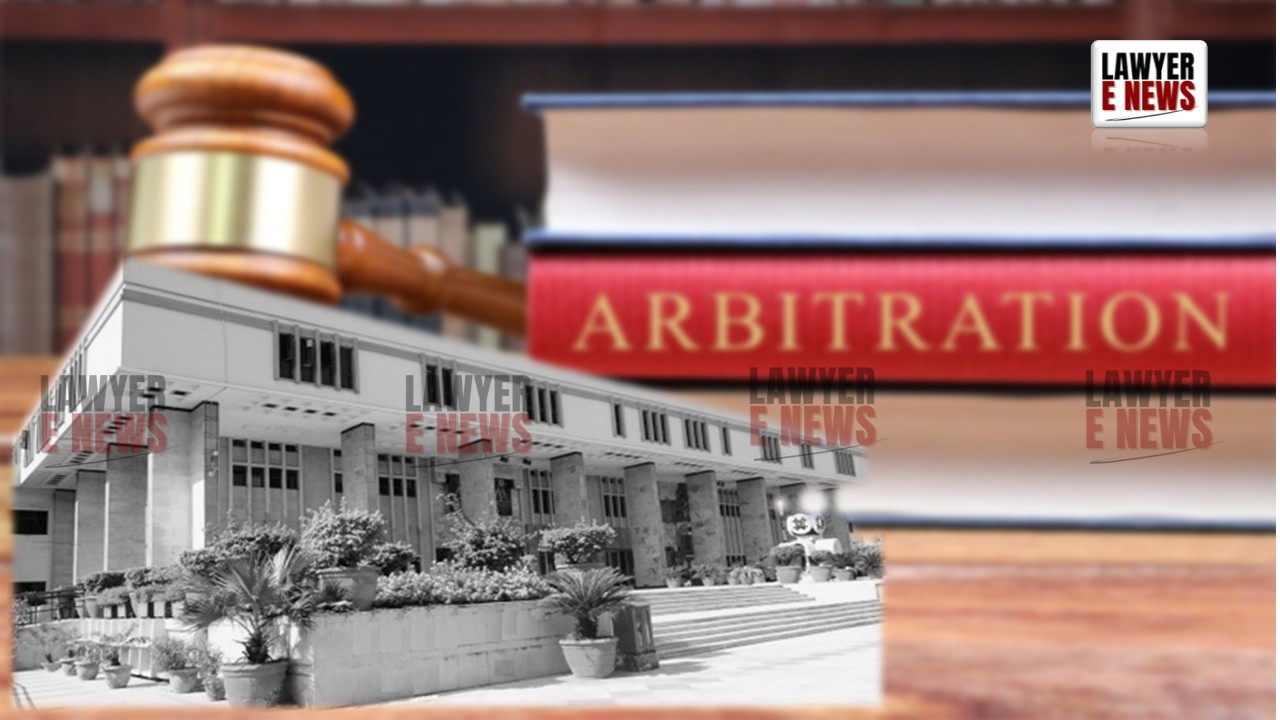
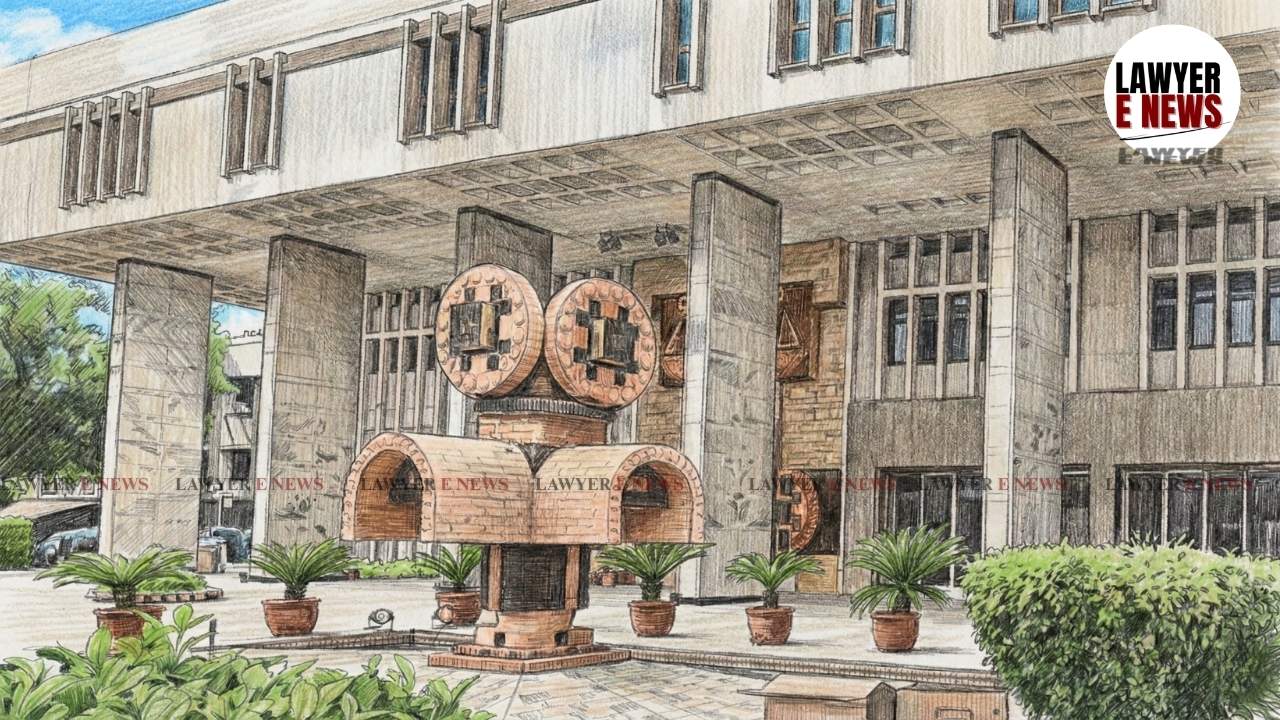
“Justice Should Not Only Be Done But Also Appear to Have Been Done”, High Court of Delhi setting aside an arbitral award under Section 34 of the Arbitration and Conciliation Act, 1996 on the ground of inordinate and unexplained delay of two years in pronouncing the award after it was reserved. Justice Avneesh Jhingan, while allowing the petition, held that such a delay, when it shakes judicial confidence and undermines the consideration of jurisdictional objections, is not only unjustified but renders the award patently illegal and in conflict with the public policy of India.
The dispute stemmed from insurance claims under a Material Damage and Loss of Profit policy issued by the petitioner to the respondent in 2007–08. After part payments were made, the respondent initiated arbitration in 2012. The Tribunal, however, delivered its award only on March 6, 2023, despite reserving it on March 6, 2021. It is this time lapse that became the epicentre of legal scrutiny.
The Court observed, “Delay in the delivery of an arbitral award, by itself, is not sufficient to set aside that award. However, where that delay adversely reflects on the findings… it vitiates the award due to conflict with public policy and patent illegality.” Referring to the Supreme Court’s binding precedent in M/s. Lancor Holdings Ltd. v. Prem Kumar Menon, the Court emphasized that arbitral awards must be timely, or risk losing their credibility and enforceability.
At the heart of the matter lay a jurisdictional objection. IFFCO Tokio had argued before the Arbitral Tribunal that once a full and final settlement had been reached in 2012, there existed no arbitrable dispute. Crucially, the arbitration clause in the policy allowed reference to arbitration only on quantum, and only “if liability was otherwise admitted”. According to the insurer, it had never admitted liability after the settlement and had, therefore, contested jurisdiction.
The Arbitral Tribunal, however, merely recorded that the settlement was not voluntary and proceeded to determine the quantum of claims, without fully adjudicating the objection as to whether any arbitrable dispute survived. This, according to the Court, went to the very root of the matter. “The Tribunal, after only deciding that the settlement was not voluntary, proceeded to deal with the claims on merits,” the Court noted, adding that this failure to conclusively determine jurisdiction rendered the award fundamentally flawed.
The judgment goes beyond the letter of the law and addresses the practical impact of delay on justice delivery. “With the passage of time due to limitation of human memory, the arguments no longer remain potent. Inordinate delay jolts the confidence of the parties as to whether the submissions were effectively weighed,” the Court remarked. It further added, “The written submissions made in a matter can only be supplement and not substitute oral arguments. It is trite law that justice should not only be done but should also appear to have been done.”
The explanation provided for the delay—COVID-19 and logistical issues among arbitrators—was found insufficient. The Court noted that the award was reserved in March 2021, and even after accounting for pandemic-related exemptions ending on February 28, 2022, there was an unexplained delay of nearly one year. “The reason mentioned that after reserving the judgment the members of the Tribunal could not meet for a long time, fortifies that for a considerable time there was no deliberation on the matter after the award was reserved,” Justice Jhingan wrote.
Though the 2016 amendment introducing Section 29A, which fixed timelines for awards, was not applicable in this case, the Court clarified that it still reflects the legislative intent that arbitration be “expeditious and efficient”. The Tribunal’s two-year silence post-reservation betrayed this objective and, in the Court’s view, rendered the entire process legally infirm.
In conclusion, the Court held that the award suffered from patent illegality and was unsustainable under Section 34(2)(b)(ii) and 34(2A) of the Act. “The findings on the jurisdictional issue raised were affected by the delay caused in pronouncement of the award. The reasons for the delay mentioned in the award are not sufficient. In the facts and circumstances, the award is vitiated by inordinate delay,” the Court declared.
Refraining from examining the merits of the claim, the Court emphasized that the issue of whether an arbitral dispute existed in the first place was itself compromised due to the delayed decision-making.
The arbitral award dated March 6, 2023 was accordingly set aside.
Date of Decision: January 30, 2026