-
by sayum
02 October 2026 5:03 AM







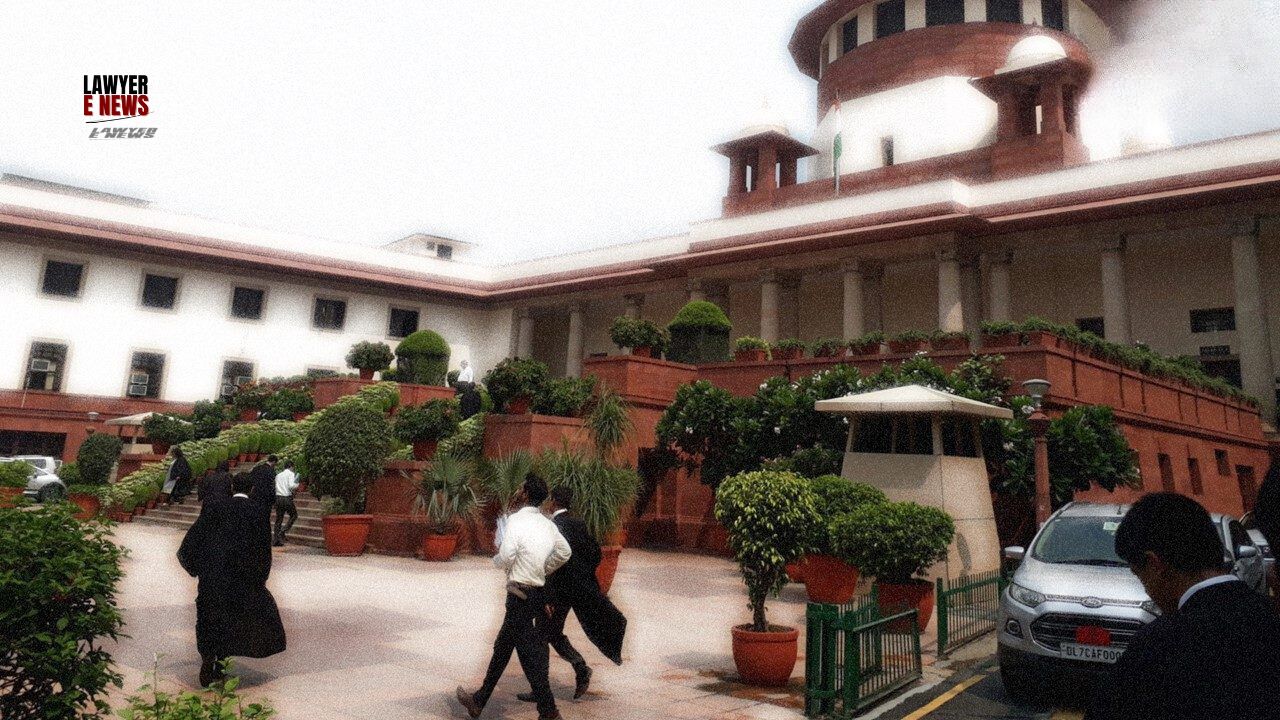
In a significant development, the Supreme Court of India has ordered a detailed inquiry into an alleged case of forgery and misrepresentation related to the filing of a Special Leave Petition (SLP). The case involves the petitioner, Bhagwan Singh, who denied signing the legal documents presented in his name. The bench, comprising Justices Bela M. Trivedi and Satish Chandra Sharma, highlighted the gravity of the issue, directing the presence of all involved parties, including the notary, on the next hearing date, while cautioning that the court would take a "serious view" of the matter.
The case originated from an SLP filed against the High Court of Allahabad's orders dated 16-12-2019 and 02-04-2024. The petition was filed on behalf of Bhagwan Singh, who was represented by Advocate Karan Singh at the Allahabad High Court. However, during the proceedings, Bhagwan Singh contended that he neither signed the Vakalatnama nor authorized anyone to file the petition on his behalf, as he had no contact with his daughter Rinki or her husband Sukhpal Singh, who purportedly facilitated the documentation.
The Supreme Court focused on the serious allegations of forgery and misrepresentation, with specific concerns about the notarization of documents. Advocate R.P.S. Yadav, who prepared the SLP, admitted to identifying Bhagwan Singh's signature before the notary without his physical presence. This practice was deemed highly irregular and potentially fraudulent. The Court noted that the notary, Mr. A.N. Singh, attested the documents despite Bhagwan Singh's absence, raising concerns about the integrity of legal processes.
The Court underscored the responsibility of legal practitioners to ensure the authenticity of documents submitted in judicial proceedings. Advocate-on-Record (AOR) Anubhav Yashwant Yadav, who signed the SLP, acknowledged that he did so based on the assurances of Advocate R.P.S. Yadav. The bench emphasized that such practices undermine the credibility of the judicial system and indicated that strict measures would be enforced against any misconduct.
The bench indicated that the inquiry would extend to all involved parties, including the notary and the individuals accused of facilitating the forgery. The Court stressed that legal documents, particularly those notarized, carry substantial weight in judicial proceedings, and any attempt to subvert this process through forgery or misrepresentation would be met with stringent legal action.
The bench remarked, "This Court views any attempt to mislead or manipulate the judicial process with utmost severity. The integrity of legal proceedings must be upheld, and those found guilty of such offenses will face serious consequences."
The Supreme Court's order to investigate the alleged forgery highlights the judiciary's commitment to maintaining the sanctity of legal processes. The upcoming hearing, scheduled for 23rd August 2024, is expected to shed light on the extent of the forgery and misrepresentation. This case serves as a stern reminder to legal practitioners and parties involved in judicial proceedings about the importance of honesty and integrity in the legal system.
Date of Decision: 09-Aug-2024
Bhagwan Singh v. State of U.P. & Anr.