-
by sayum
28 July 2026 8:17 AM








"High Court, while declining to condone the delay, ought to have considered that it was an appeal through jail. This itself was sufficient for the High Court to take a practical view or rather a sympathetic view of the matter and at least ought to have condoned the delay so as to give one opportunity to the petitioner to argue his criminal appeal on merits," Supreme Court, in a significant order dated May 7, 2026, held that substantive justice must prevail over technicalities when dealing with jail appeals, particularly where the convict has already undergone a substantial portion of their sentence.
A bench comprising Justice J.B. Pardiwala and Justice Ujjal Bhuyan termed a High Court order "very disturbing" for refusing to condone a delay of 3157 days in a criminal appeal filed by a life convict who had been incarcerated for over two decades.
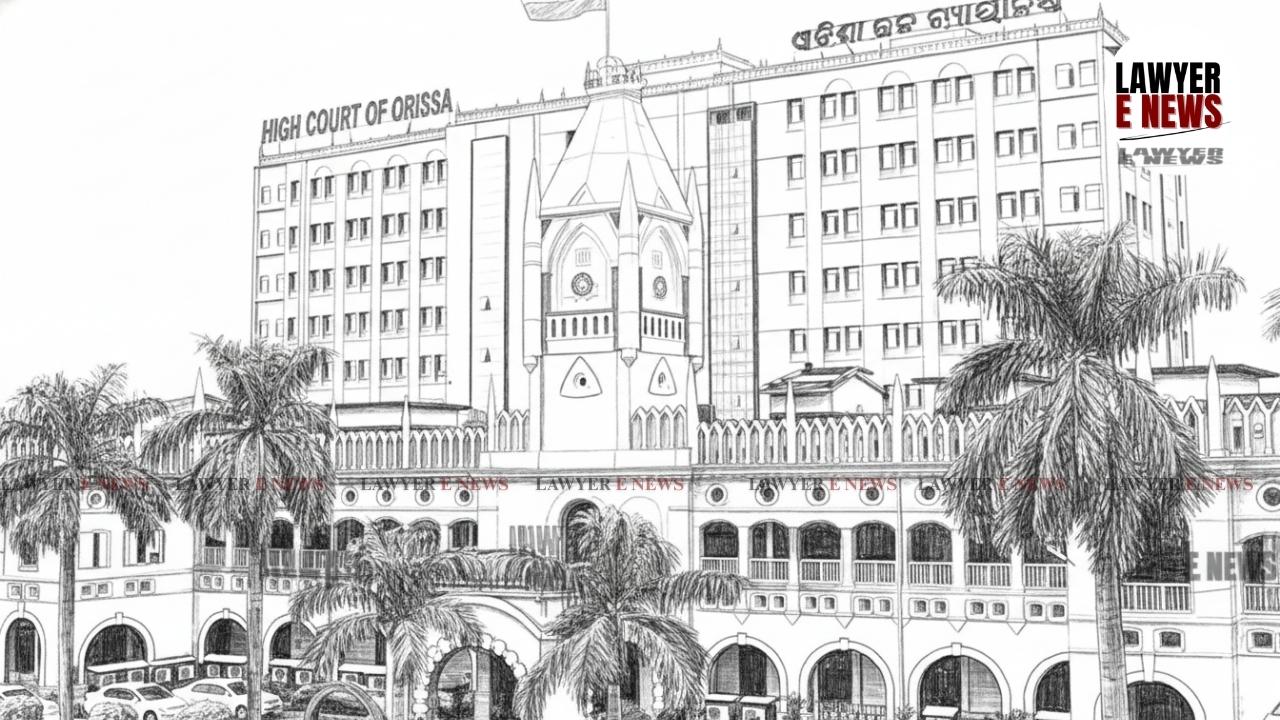
The petitioner, Arjun Jani alias Tuntun, was convicted by the Additional Sessions Judge, Nabarangpur in 2006 for offences punishable under Sections 302 and 201 of the Indian Penal Code (IPC). He was sentenced to life imprisonment and remained in custody from January 2004. In 2015, he preferred a Criminal Appeal before the Orissa High Court through the jail, which was dismissed in 2016 solely on the ground of being time-barred by nearly nine years.
The primary question before the court was whether the High Court was justified in dismissing a jail appeal on technical grounds of delay without considering the merits or the duration of the convict's incarceration. The Court also considered whether the petitioner's continued detention after 22 years warranted the exercise of extraordinary powers for his release.
High Court Erred In Ignoring Context Of Jail Appeals
The Supreme Court expressed strong disapproval of the Division Bench of the High Court of Orissa's decision to decline the condonation of 3157 days of delay. The bench observed that the High Court failed to account for the fact that the petitioner was already undergoing his sentence and had preferred the appeal through the jail machinery.
The bench noted that the High Court should have adopted a practical and sympathetic view rather than a purely technical one. By dismissing the appeal as time-barred, the High Court deprived the petitioner of his right to have his conviction reviewed on merits after serving a significant portion of his life sentence.
"This appeal is beyond time by 3157 days. From the jail memo of appeal, we do not find any viable reason to condone the delay near about nine years. Delay condonation application is dismissed and appeal too stands dismissed."
Technicalities Cannot Override Right To Merit-Based Hearing
The Court highlighted that the petitioner has undergone almost 22 years of sentence as of the date of the hearing and had not been released even once on parole or furlough. The bench found that asking the High Court to hear the appeal on merits at this late stage would be a "futile exercise" given the decades already spent behind bars.
The judges emphasized that the judicial system must prioritize the opportunity for a convict to argue their case on merits over the strict adherence to limitation periods in criminal matters. The bench underscored that the "very disturbing" nature of the impugned order stemmed from its failure to recognize the human stakes involved in long-term incarceration.
"Condoning the delay and asking the High Court now to hear the Criminal Appeal on merits will be a futile exercise."
Exercise Of Article 142 Jurisdiction For Substantive Justice
In light of the "peculiar facts and circumstances," the Supreme Court invoked its extraordinary jurisdiction under Article 142 of the Constitution of India. The Court found the petitioner’s conduct in jail to be "satisfactory," as evidenced by a Conduct Certificate from the Senior Superintendent of Circle Jail, Koraput, which noted his work in the jail laundry and lack of punishments.
The bench ordered the immediate release of the petitioner on bail upon the execution of a personal bond. This direction was issued as an "exceptional case" to rectify the procedural deadlock that had prevented the petitioner from seeking legal redress for nearly a decade after his appeal was summarily dismissed by the High Court.
Direction To Legal Services Authority For Remission
Furthermore, the Court directed the District Legal Services Authority (DLSA), Koraput, to assist the petitioner in preparing a representation for the remission of his sentence. This representation is to be considered under the remission policy prevailing at the time of the offence or any subsequent policy beneficial to the convict.
The Court mandated the Registry to inform the jail authorities and the DLSA immediately to ensure compliance. The matter has been posted for May 28, 2026, for reporting compliance with these directions.
The Supreme Court concluded that the High Court's refusal to condone delay in a jail appeal was a failure of judicial discretion that prioritized technicality over the right to a fair hearing. By granting bail and facilitating a remission plea after 22 years of incarceration, the Court reaffirmed that the pursuit of substantive justice outweighs procedural lapses in the criminal justice system.
Date of Decision: 07 May 2026