Gratuity Is a Property Right, Not a Charity: MP High Court Upholds Gratuity Claims of Long-Term Contract Workers Seized Vehicles Must Not Be Left to Rot in Open Yards: Madras High Court Invokes Article 21, Orders Release of Vehicle Seized in Illegal Quarrying Case Even After Talaq And A Settlement, A Divorced Muslim Woman Can Claim Maintenance Under Section 125 CRPC: Kerala High Court Bail Cannot Be Withheld as Punishment: Himachal Pradesh High Court Grants Bail to Govt Official in ₹200 Cr. Scholarship Scam Citing Delay and Article 21 Violation Custodial Interrogation Necessary in Serious Economic Offences: Delhi High Court Denies Anticipatory Bail in ₹1.91 Cr Housing Scam Specific Relief Act | Readiness and Willingness Must Be Real and Continuous — Plaintiffs Cannot Withhold Funds and Blame the Seller: Bombay High Court Even If Claim Is Styled Under Section 163A, It Can Be Treated Under Section 166 If Negligence Is Pleaded And Higher Compensation Is Claimed: Supreme Court When Cheating Flows from One Criminal Conspiracy, the Law Does Not Demand 1852 FIRs: Supreme Court Upholds Single FIR in Multi-Crore Cheating Case Initiating Multiple FIRs on Same Facts is Impermissible: Supreme Court Quashes Parallel FIRs and Grants Bail Protection in Refund Case Not Every Middleman Is a Trafficker: Gujarat High Court Grants Bail in International Cyber Trafficking Case, Cites Absence of Mens Rea Stay in One Corner Freezes the Whole Map: Madras High Court Upholds Validity of Decades-Old Land Acquisition Despite 11-Year Delay in Award Parole Once Granted Cannot Be Made Illusory by Imposing Impossible Conditions: Rajasthan High Court Declares Mechanical Surety Requirement for Indigent Convicts Unconstitutional Once Acquisition Is Complete, Title Disputes Fall Outside Civil Court Jurisdiction: Madhya Pradesh High Court No Appeal Lies Against Lok Adalat Compromise Decree Even on Grounds of Fraud: Orissa High Court Declares First Appeal Not Maintainable Sanction to Prosecute Under UAPA Cannot Be a Mechanical Act: Supreme Court Quashes Jharkhand Government’s Third-Time Sanction Without New Evidence FIRs in Corruption Cases Cannot Be Quashed on Hyper-Technical Grounds of Police Station Jurisdiction: Supreme Court Restores ACB Investigations Quashed by Andhra Pradesh High Court Mere Completion of Ayurvedic Nursing Training Does Not Confer Right to Appointment: Supreme Court Rejects Legitimate Expectation Claim by Trainees University’s Error Can’t Cost a Student Her Future: Supreme Court Directs Manav Bharti University to Issue Withheld Degree and Marksheets Due to Clerical Mistake Disciplinary Exoneration Cannot Shield Public Servant from Criminal Trial in Corruption Cases: Supreme Court Customs Tariff Act | ‘End Use’ and ‘Common Parlance’ Tests Cannot Override Statutory Context: Supreme Court Classifies Mushroom Shelves as ‘Aluminium Structures’ Supreme Court Allows PIL Against Limited Maternity Benefits for Adoptive Mothers to Continue Under New Social Security Code Liberty Cannot Wait for Endless Trials: Supreme Court Grants Bail to Wadhawan Brothers in ₹57,000 Crore DHFL Scam

Supreme Court Orders Recovery of Unjust Pay Scale Granted to CSTT Officer, Cites ‘Well-Planned and Deliberate Infraction’

07 May 2024 8:19 AM

By: Admin


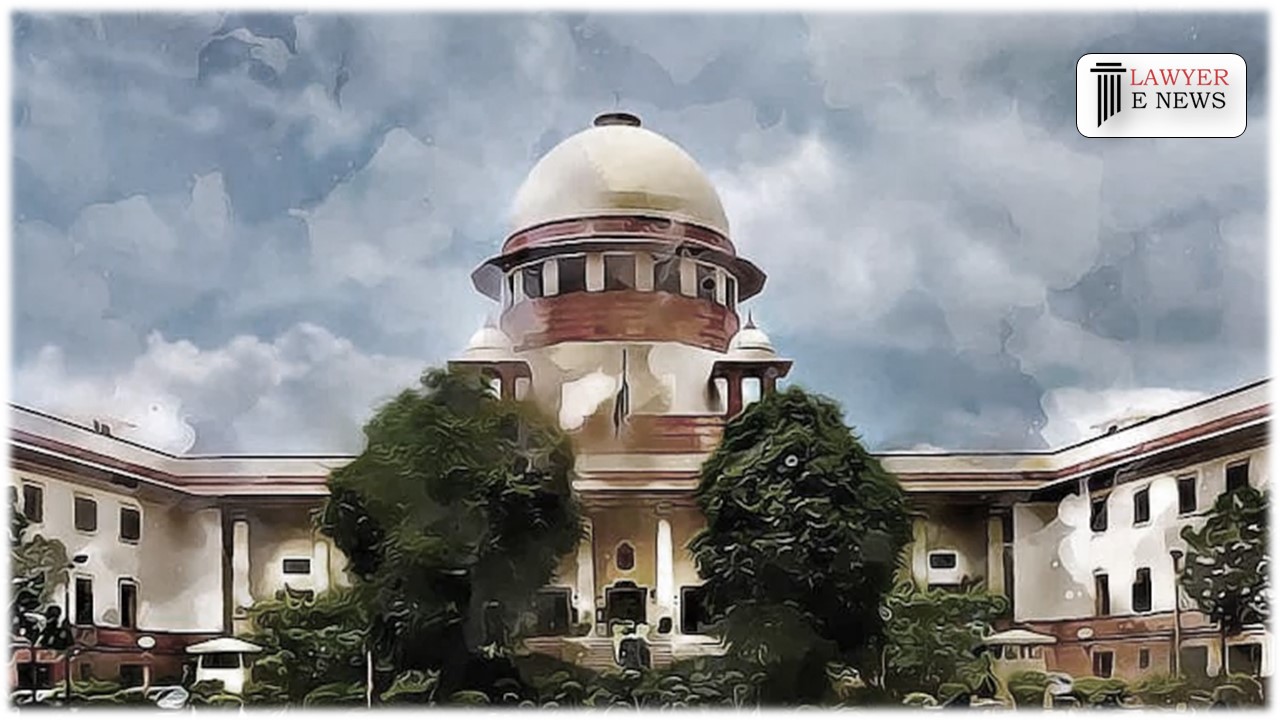
In a decision, the Supreme Court of India has ordered the recovery of excess pay unjustly granted to a Central Scientific and Technical Terminology (CSTT) officer, setting a significant precedent in the application of equal pay for equal work principles. The judgment, delivered by a bench comprising Justices Hima Kohli and Rajesh Bindal, has quashed previous orders by the High Court and the Tribunal, which had upheld the disputed pay scale revision.

The case revolved around respondent No. 4, an Assistant Scientific Officer (Medicine) in CSTT, who was granted an upgraded pay scale from ₹6500-10500 to ₹8000-13500, despite not practicing as a doctor. This decision faced scrutiny as it was not in line with the duties being performed by the officer. Other appellants in the same cadre, performing similar roles, were denied this pay scale upgrade, leading to the appeal.

In their observation, the Supreme Court noted, “The grant of a higher pay scale solely by relying upon the recommendations made by the Commission, which were not applicable, was illegal and cannot withstand judicial scrutiny.” This statement highlights the court’s stance on the misapplication of pay scale revisions and emphasizes the need for a fair and legal approach in such matters.

The court’s directive for the recovery of excess pay indicates a move towards rectifying the unfair advantage gained by respondent No. 4. Furthermore, the judgment holds both the respondent and the responsible officers liable for reimbursing the exchequer, underlining the accountability of individuals in positions of authority.

Date of Decision: November 30, 2023

Dr. P.N. SHUKLA AND OTHERS  VS UNION OF INDIA AND OTHERS   

Latest Legal News