-
by sayum
22 October 2026 11:50 AM







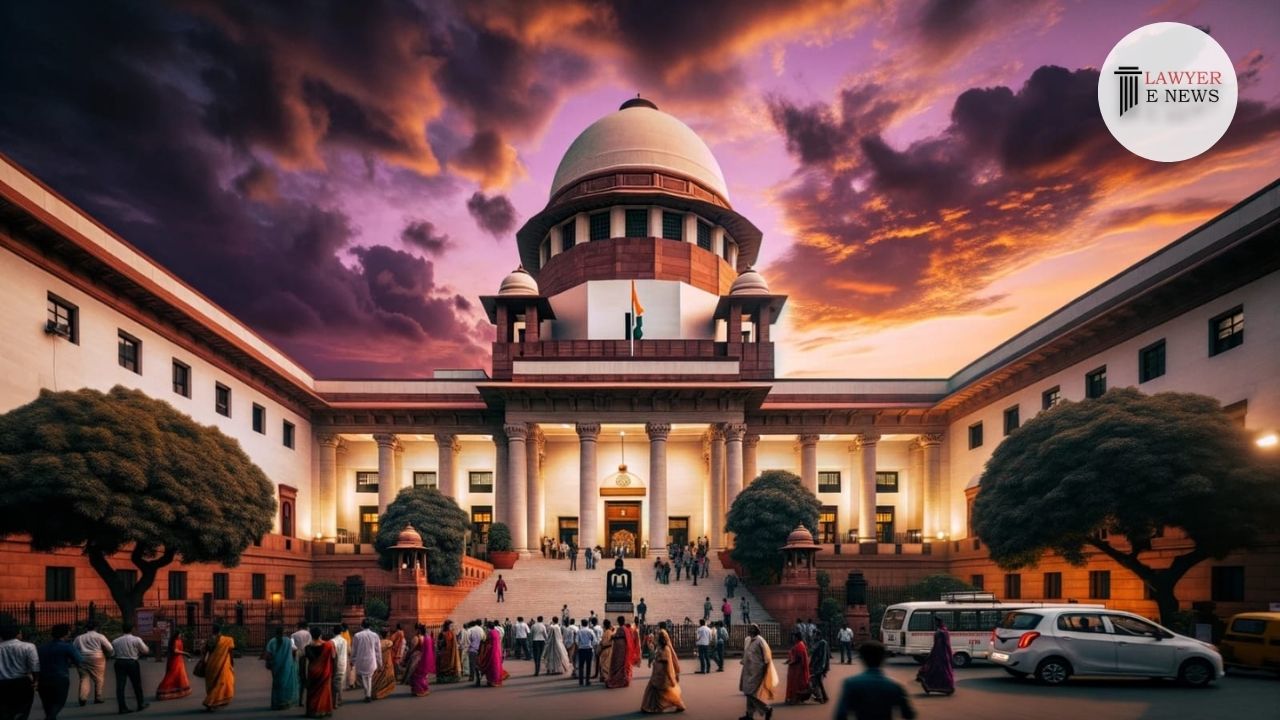
In a significant ruling, the Supreme Court of India granted bail to Rabi Prakash in a Narcotic Drugs and Psychotropic Substances (NDPS) case, emphasizing the importance of upholding the fundamental right to liberty. The judgment, delivered by a bench comprising Hon’ble Mr. Justice Surya Kant and Hon’ble Mr. Justice Dipankar Datta, highlighted the adverse impact of prolonged incarceration on an individual’s constitutional rights.
The case involved P.S. Case No. 91 of 2019, where Rabi Prakash was arrested on charges of violating Section 20(b)(ii)(C) of the NDPS Act. After spending over three and a half years in custody, the petitioner sought bail, as the trial was still ongoing with only one out of 19 witnesses examined.
In their order, the Justices noted, “The prolonged incarceration, generally militates against the most precious fundamental right guaranteed under Article 21 of the Constitution and in such a situation, the conditional liberty must override the statutory embargo created under Section 37(1)(b)(ii) of the NDPS Act.” The court acknowledged the significance of safeguarding individual liberties and recognized that the formation of an opinion on guilt should not be hastily made, considering the petitioner’s extended period of imprisonment.
While granting bail, the court imposed stringent conditions due to the petitioner not being a resident of Odisha, where the case was registered. The petitioner was directed to produce two local sureties and appear before the Trial Court on every hearing date. The court warned that any absence would be treated as a misuse of the bail granted.
This judgment reinforces the principle that the right to personal liberty is fundamental and should be protected, even in cases involving serious offenses. The Supreme Court’s decision reflects the delicate balance between individual rights and statutory provisions, demonstrating a commitment to ensuring justice while upholding constitutional guarantees.
The ruling is a significant development in the jurisprudence surrounding bail in NDPS cases and provides guidance for future matters where prolonged incarceration and the preservation of fundamental rights are at stake.
Supreme court emphasized, “The prolonged incarceration, generally militates against the most precious fundamental right guaranteed under Article 21 of the Constitution,” underscoring the importance of protecting individual liberties.
This decision serves as a reminder of the judiciary’s duty to safeguard fundamental rights, even in cases where the statutory framework may restrict them. The court’s careful consideration of the petitioner’s prolonged custody and the necessity of conditional liberty sets a vital precedent for balancing the scales of justice.
Date of Decision: 13th July 2023
RABI PRAKASH vs THE STATE OF ODISHA