-
by sayum
03 October 2026 9:56 AM







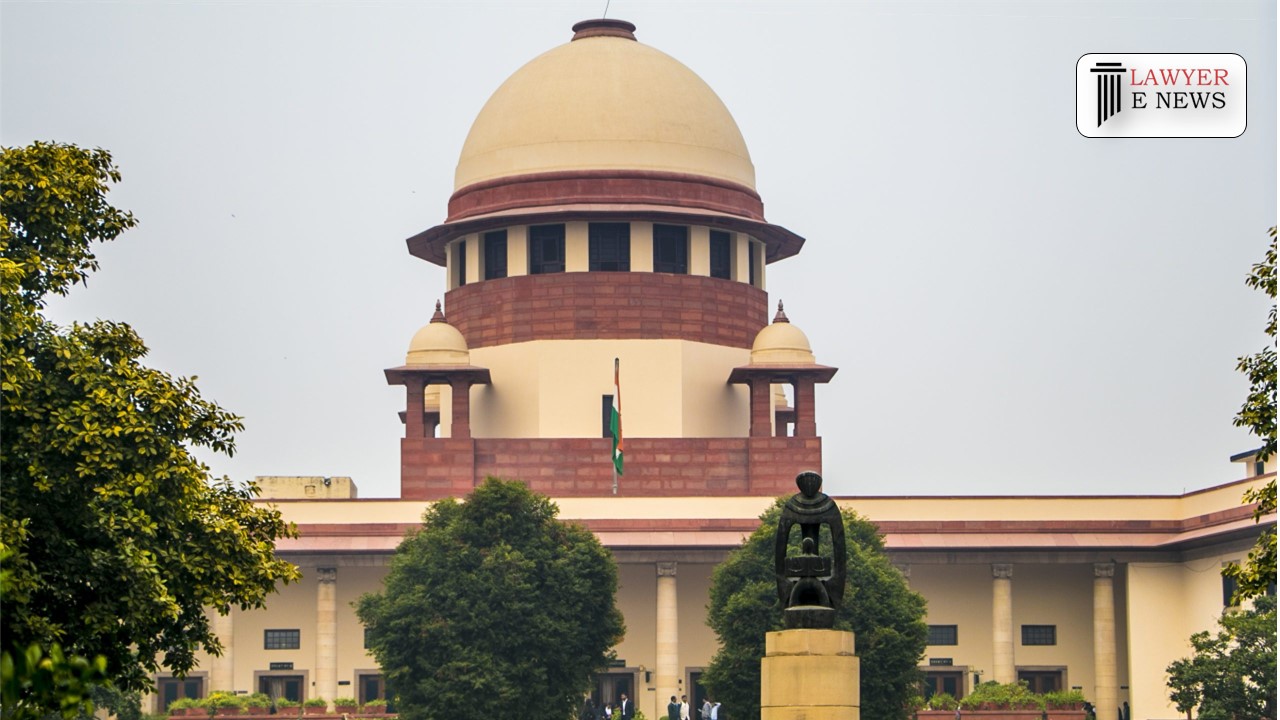
In a landmark decision that redefines the scope of the term 'teacher' within educational institutions, the Supreme Court of India, in its recent judgement (2023 INSC 1067), has significantly impacted the retirement age of sports officers and physical training instructors (PTIs). The apex court, in its judgement, categorically stated that individuals in these roles at Jawaharlal Nehru Krishi Vishwa Vidyalaya are to be treated on par with teachers, thereby aligning their retirement age with that of other academic staff.
The judgement came in response to an appeal filed by a sports officer/PTI, challenging the earlier decision by the High Court of Madhya Pradesh which had set his retirement age at 60 years, as opposed to 62 years, which is the norm for teachers. The Supreme Court's decision critically analyzed the definitions under the J.N.K.V.V. Act and its Statutes, with a broader interpretation of who qualifies as a 'teacher.'
In a key observation, the Court noted, "The definition being inclusive in nature would have to be read expansively." This statement underscores the Court's approach in acknowledging the diverse roles that contribute to education beyond conventional classroom teaching.
The Court further justified its decision by referencing the precedent set in P.S. Ramamohana Rao v. A.P. Agricultural University, where a similar position was recognized as that of a 'teacher.' The apex court drew parallels between the definitions of a 'teacher' in the A.P. Act and the J.N.K.V.V. Act, leading to a similar expansive interpretation.
This decision marks a significant step in acknowledging the varied roles that educational professionals play in the development of students. The ruling highlights the Court's understanding of the evolving nature of educational roles and the necessity to align legal definitions with contemporary educational practices.
Date of Decision: 13th December 2023
P.C. MODI VS THE JAWAHARLAL NEHRU VISHWA VIDYALAYA AND ANOTHER