
-
by sayum
21 October 2026 12:07 PM







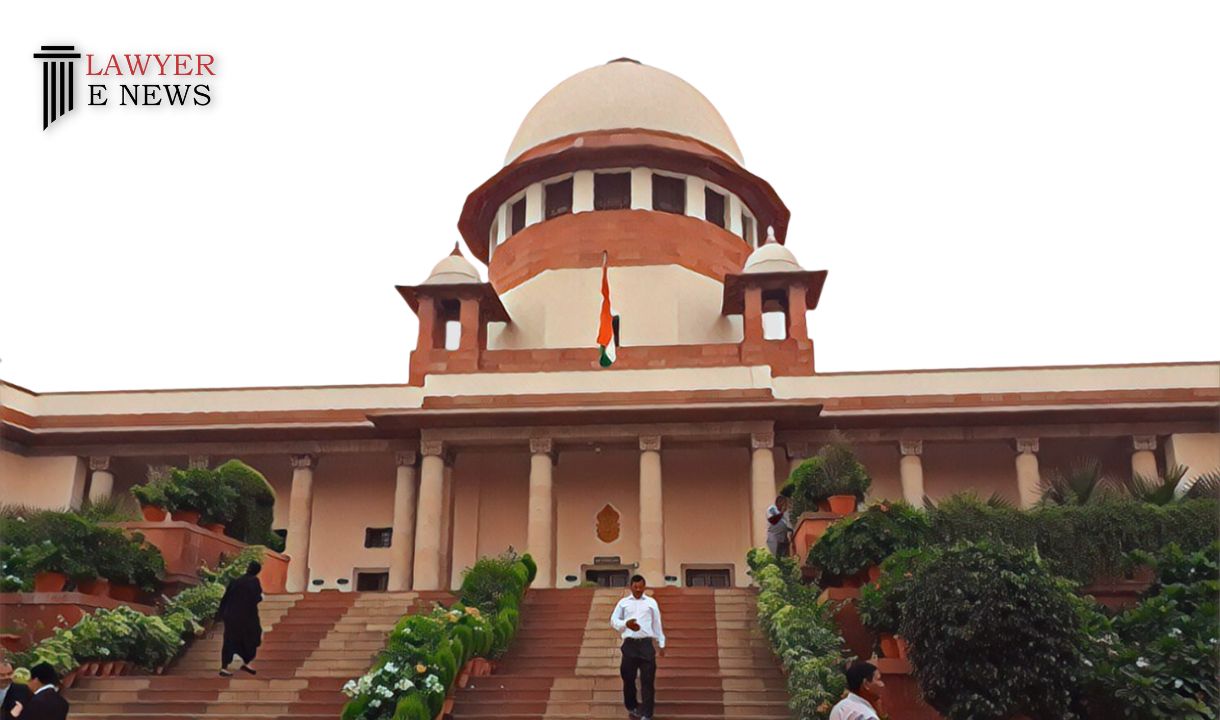
In a significant ruling, the Supreme Court of India has provided essential clarity on the legal differentiation between a mortgage by conditional sale and a sale with a condition of repurchase. The verdict was delivered in a civil appeal case concerning a property dispute and the interpretation of a Sale Deed and Reconveyance Agreement.
"Emphasis on the proviso to sub-section (c) regarding mortgage by conditional sale – Requirement that the condition for reconveyance must be embodied in the document effecting the sale." - [Para 23]
The core issue in the case revolved around determining whether the transaction between the parties constituted an absolute sale or a mortgage. The appellant contended that the transaction was a mortgage, while the respondent claimed it was an absolute sale with a right of repurchase. The High Court had previously ruled in favor of the respondent, and the appellant appealed against this decision.
The Supreme Court's analysis in the judgment emphasized the importance of interpreting legal provisions accurately, particularly Section 58 of the Transfer of Property Act, 1882. The Court highlighted the proviso to sub-section (c) of the Act, which pertains to mortgage by conditional sale. The proviso states that for a transaction to be considered a mortgage by conditional sale, the condition for reconveyance must be incorporated in the document effecting the sale.
The Court also emphasized the significance of understanding the intention of the parties involved in such transactions. It referenced precedent cases, including Bishwanath Prasad Singh's case and Umabai v. Nilkanth Dhondiba Chavan, to elucidate the legal differences between mortgage by conditional sale and sale with a condition of repurchase.
Analyzing the contents of the Sale Deed and the Reconveyance Agreement, the Court found that the terms of the Sale Deed clearly indicated an absolute sale, including the transfer of possession. The Reconveyance Agreement, on the other hand, provided the right to repurchase the property within a specific timeframe.
Supreme Court upheld the High Court's ruling, stating that the transaction was indeed an absolute sale with a subsequent option of repurchase. The appellant's contention that it was a mortgage was deemed unfounded.
Date of Decision: 18 August 2023
PRAKASH (DEAD) BY LR. vs G. ARADHYA & ORS.