Revenue Authority Cannot Vest Land In State Under Section 79A, Suo Motu Proceedings After 11 Years Fatal: Gujarat High Court Campaigning During 48-Hour Silent Period Is Not 'Undue Influence' Under Section 123(2), Election Petition Must Plead How Result Was Materially Affected: Bombay High Court DVDs Carrying Encoded Data Infringe Patent Even If Stampers Are Outsourced: Delhi High Court in Philips’ DVD-ROM Patent Dispute Departmental Exoneration Does Not Bar Criminal Trial If Key Evidence Not Considered: Karnataka HC Refuses To Quash PSI’s Corruption Case Can't Claim Irrevocable License Under Section 60 Easements Act Without Pleading It First: Punjab & Haryana High Court Ex Parte Decree Obtained Behind Back of True Owner Confers No Title; Appellate Stage Cannot Be Used to Rescue a Fundamentally Flawed Claim: Supreme Court Order XLI Rule 27 CPC | Appeal Cannot Be Decided Without First Adjudicating Additional Evidence Application: Supreme Court Section 498A IPC | Only Allegation Quarrelling Is Not a Criminal Offence, Cannot Sustain Cognizance: Supreme Court Quash Proceedings Eye-Witness Survives 82 Pages of Cross-Examination: Allahabad High Court Upholds Murder Conviction Payment of Tax Receipts Is Not A Conclusive Proof of Possession of Property: Andhra Pradesh High Court Spa Owner Who Personally Received Marked Currency And Promised 'Nice Females With Closed Door Rooms' Cannot Escape Trafficking Charges: Bombay High Court No Person Can Transfer A Better Title Than What He Possesses In Property So Transferred: Andhra Pradesh High Court Unsubstantiated Allegations of Illicit Affair and Attempt to Kill Child in Written Statement Amount to Mental Cruelty: Calcutta High Court Grants Divorce Child Dies Inside Anganwadi Centre After Repeated Complaints About Exposed Wires Went Unaddressed: Chhattisgarh High Court Takes Suo Motu Cognisance, Directs Statewide Safety Audit 'High Speed' Without Mentioning Approximate Speed Not Sufficient To Prove Rash And Negligent Driving Under Section 279 IPC: Himachal Pradesh High Court 'Reverse Passing Off' Is Not an Actionable Tort in Indian Trade Mark Law: Delhi High Court: SARFAESI E-Auction Purchaser Cannot Be Prosecuted For Undervaluation When DRT Has Affirmed Valuation: Jharkhand High Court Republishing Defamatory Facebook Post On Website Constitutes Fresh Offence of Defamation; Prior Publication In Public Domain No Defence: Kerala High Court One Year Custody Not Prolonged In Cases Involving Attack On Police Post With Explosive Substance: Punjab & Haryana High Court Denies Bail Bribe Demand Can Be Proved Through Electronic Evidence Even If Complainant Turns Hostile: Rajasthan High Court Sand Theft Under BNS And Kerala Sand Act Can Be Prosecuted Simultaneously; Earlier Contrary View Per Incuriam: Kerala High Court Judge Overrules Own Judgment

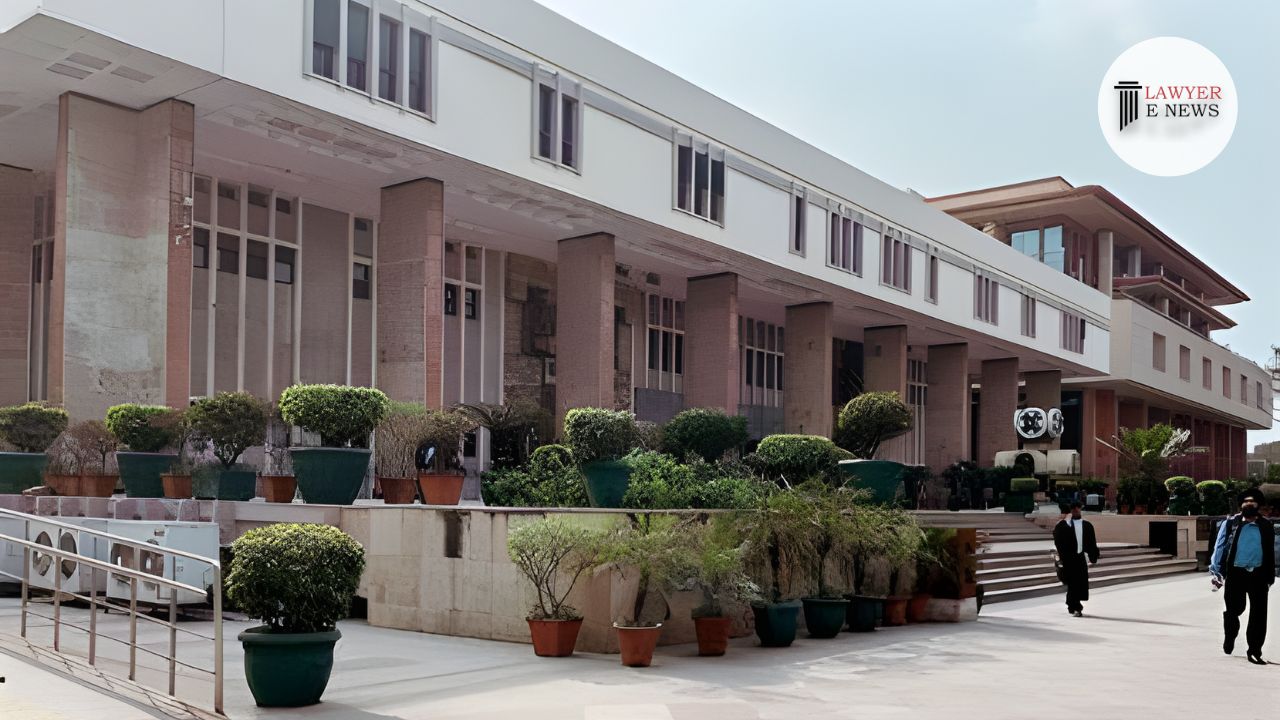
"Suit Cannot be Dismissed on Grounds of Benami Act," says Delhi High Court

07 May 2024 8:19 AM

By: Admin


In a significant ruling, the Delhi High Court recently delivered a landmark judgment, allowing a suit for declaration of title and ownership of a property to proceed despite objections raised by the defendant. The judgment, pronounced by Justice Mini Pushkarna on August 3rd, 2023, sheds light on the applicability of the Benami Transactions (Prohibition) Act and the Limitation Act, 1963, and the validity of alleged admissions and suppression of facts by the plaintiff.

The court rejected the defendant's contention that the suit was barred by the Benami Act, emphasizing that the determination of a benami transaction requires thorough consideration of various tests and circumstances as laid down by the Supreme Court. The court pointed out that the question of benami transactions can only be resolved through evidence presented by the parties and cannot be dismissed at the initial stage.

Regarding the contention raised by the defendant that the suit was barred by limitation, the court explained that the issue of limitation is a mixed question of law and fact, and it should be examined based on evidence presented by both parties. The court cited the Supreme Court's judgment, stating that the cause of action under the Limitation Act accrues only when the right asserted in the suit is infringed or threatened to be infringed.

Justice Pushkarna further clarified that the strength or weakness of the plaintiff's case on merit cannot be considered at this stage, and the defense raised by the defendant in the written statement is irrelevant for adjudication under Order VII Rule 11 of the Civil Procedure Code. The court held that only the plaintiff's pleadings are relevant to determine whether the plaint discloses a cause of action.

The court also emphasized that a plaint cannot be rejected in part; it must be rejected as a whole. This ruling was based on the court's findings in earlier cases and established legal principles.

Regarding the issue of alleged admissions made by the plaintiff, the court ruled that such admissions can be explained during the trial and must be confronted during cross-examination. The court stated that the effect of any suppression of material facts by the plaintiff must also be examined during the trial.

Delhi High Court dismissed the defendant's application to reject the plaint, affirming that there is a cause of action in favor of the plaintiff. The court clarified that its ruling does not express any opinion on the merits of the case, and the final adjudication will be done after a thorough examination of evidence during the trial.

Date of Decision: August 03rd, 2023

PARMOD KUMAR JAIN  vs SATISH JAIN & ORS

Latest Legal News