-
by sayum
29 August 2026 3:15 PM







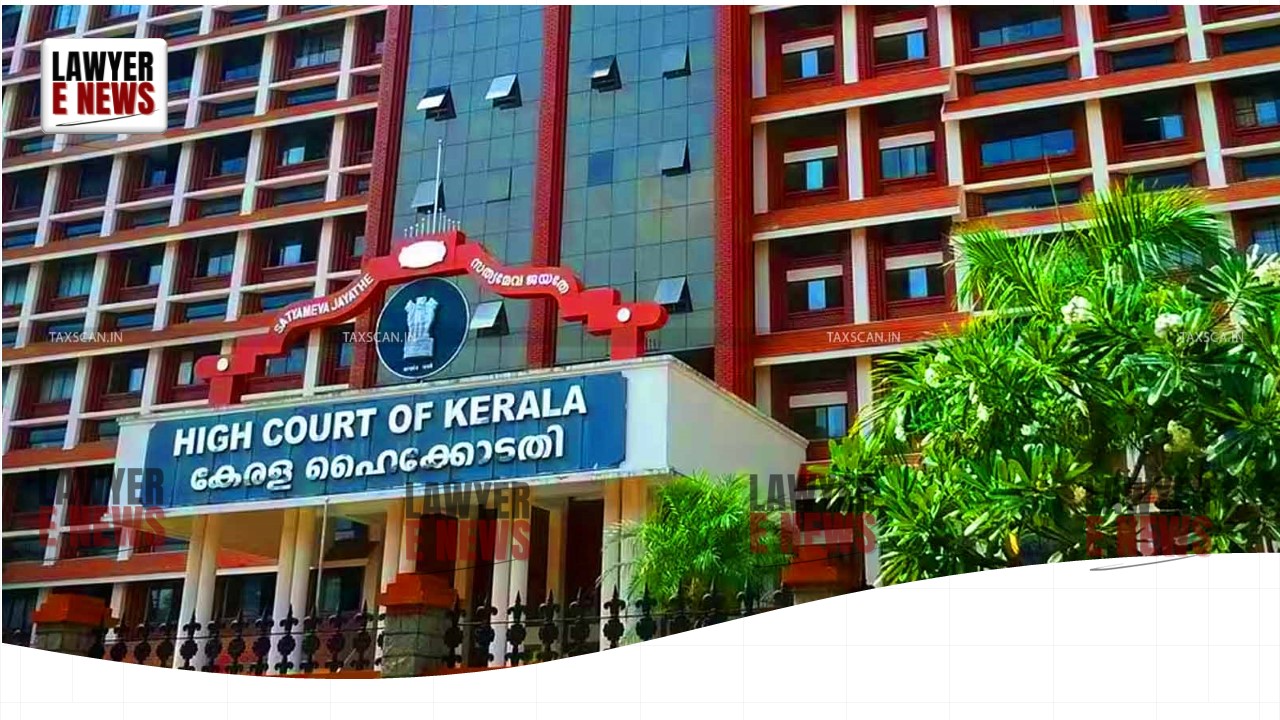
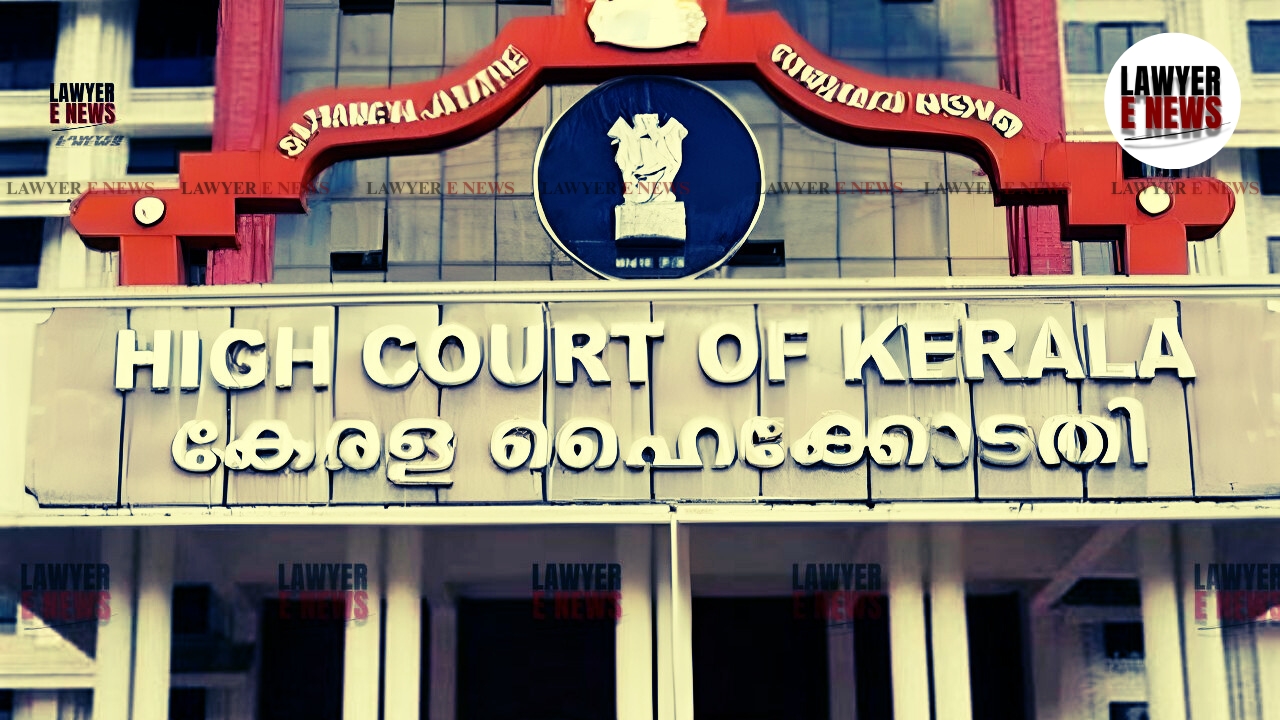
"With regard to the constitution of an ad-hoc committee for conduct of election, as rightly held by the learned single Judge, it is not a matter falling within the purview of the Sports Council but, within the exclusive domain of the society." Kerala High Court, in a significant ruling dated April 1, 2026, held that the State Sports Council and the Government do not have the statutory power to dissolve a sports association registered under the Societies Registration Act or dictate the conduct of its elections.
A division bench comprising Justice Sathish Ninan and Justice P. Krishna Kumar observed that while the Council can inquire into election lapses to decide on recognition, the actual conduct of internal elections remains the exclusive domain of the society itself.
The dispute originated from conflicting claims over the control and democratic processes of the state's apex hockey body.
The dispute stems from allegations of illegal bye-law amendments and flawed elections held by "Kerala Hockey," a society recognized by the State Sports Council. Acting on complaints, the State Government issued an order on May 2, 2025, directing the dissolution of the association and the conduct of fresh elections through an ad-hoc committee. The appellants challenged this government order, leading a Single Judge to set aside the dissolution directive, which prompted the present batch of writ appeals by various stakeholders.
The core legal issue revolved around the limits of the State's statutory interference in autonomous sports bodies.
The primary question before the court was whether the State Sports Council or the Government possesses the statutory authority to dissolve a registered sports society and actively conduct its internal elections. The court was also called upon to determine if the Sports Council can legally inquire into the validity of a society's internal elections under the framework of the Kerala Sports Act.
The Division Bench laid down the strict statutory boundaries between state oversight and a society's autonomy.
Examining the extent of the Government's interference in the internal functioning of a registered society, the court firmly upheld the Single Judge’s finding that the government order directing the dissolution of Kerala Hockey was legally unsustainable. The bench clarified that since the association is registered under the Societies Registration Act, its internal management and democratic processes cannot be usurped by the State. The court emphasized that appointing an external ad-hoc committee to manage internal democratic processes is beyond the statutory bounds of the Sports Council. "There cannot be a direction for dissolution of the Society... it is not a matter falling within the purview of the Sports Council but, within the exclusive domain of the society."
The Court clarified the specific, limited purpose for which the Sports Council can probe election irregularities.
However, the Division Bench nuanced the Single Judge's absolute restriction on the Sports Council's ability to intervene in election processes. Analyzing Sections 31, 31A(1), and 31A(2) of the Kerala Sports Act, the court held that the Council does possess the statutory authority to investigate failures to conduct elections as prescribed in the bye-laws or serious lapses in the election process. The bench clarified that while the Council cannot run the elections, it can certainly probe irregularities for the limited, statutory purpose of deciding whether to suspend or withdraw the sports organisation's official recognition. "Though the functioning of a Society is as per its bye-laws and election is its internal affair, the Sports Council has authority to enquire into the failure to conduct election... The scope of such enquiry is limited for the purpose of withdrawal of recognition."
The Court rejected the argument that a second government-ordered inquiry was barred by the principles of res judicata.
Addressing the appellants' contention that the Government could not constitutionally order a second inquiry report after a prior committee had validated the elections, the court rejected the application of res judicata. The bench noted that under Sections 8(3) and 8(4) of the Sports Act, the Government has wide powers to call for records and modify resolutions of the Sports Council. The court reasoned that this subsequent report was merely a continuation of the preliminary fact-finding process under Section 31A(1), which ultimately leads to proceedings for the final withdrawal of recognition. "The second report obtained by the Government can only be considered as continuation of the enquiry contemplated under Section 31 A(1)... which would lead to a proceeding for withdrawal of recognition under Section 31 A(2)."
Why the lack of a hearing during the preliminary inquiry did not violate natural justice.
The court also dismissed the argument that the second inquiry report was vitiated by a violation of the principles of natural justice because the appellants were not granted a hearing prior to its submission. The bench differentiated between the preliminary fact-finding stage and the final adjudicatory stage under the statutory scheme. It held that an inquiry report under Section 31A(1) is only an interim measure, and the affected parties are statutorily guaranteed an opportunity to be heard later, when actual steps are initiated to withdraw recognition under Section 31A(2). "In terms of Section 31 A(2), the affected has an opportunity of hearing as against the report as and when steps are taken based on the report, for withdrawal of recognition. Therefore the issue of violation of natural justice does not arise."
The Court ensured that the welfare of the athletes remained protected during the legal battle.
To ensure that the ongoing administrative and legal disputes do not prejudice the careers of hockey players in the state, the court upheld the Single Judge's directive to constitute a Technical Committee. Validating this interim measure, the bench relied on the expansive duties and functions vested in the State Sports Council under Sections 5(2)(a), (d), (i), and (q) of the Sports Act. The court found that creating such a committee is a necessary and legally sound step to organize, coordinate, and promote sports while the association's official recognition remains in limbo. "The direction to the Sports Council to constitute a Technical Committee is justified in the light of the powers conferred on the Sports Council under the Sports Act."
The High Court disposed of the writ appeals by permanently setting aside the government's direction to dissolve Kerala Hockey and conduct elections through an ad-hoc committee. However, the court ordered that the association's recognition shall stand suspended until the Sports Council concludes its formal proceedings for withdrawal of recognition under Section 31A(2) of the Act.
Date of Decision: 01 April 2026