-
by sayum
26 August 2026 10:38 AM







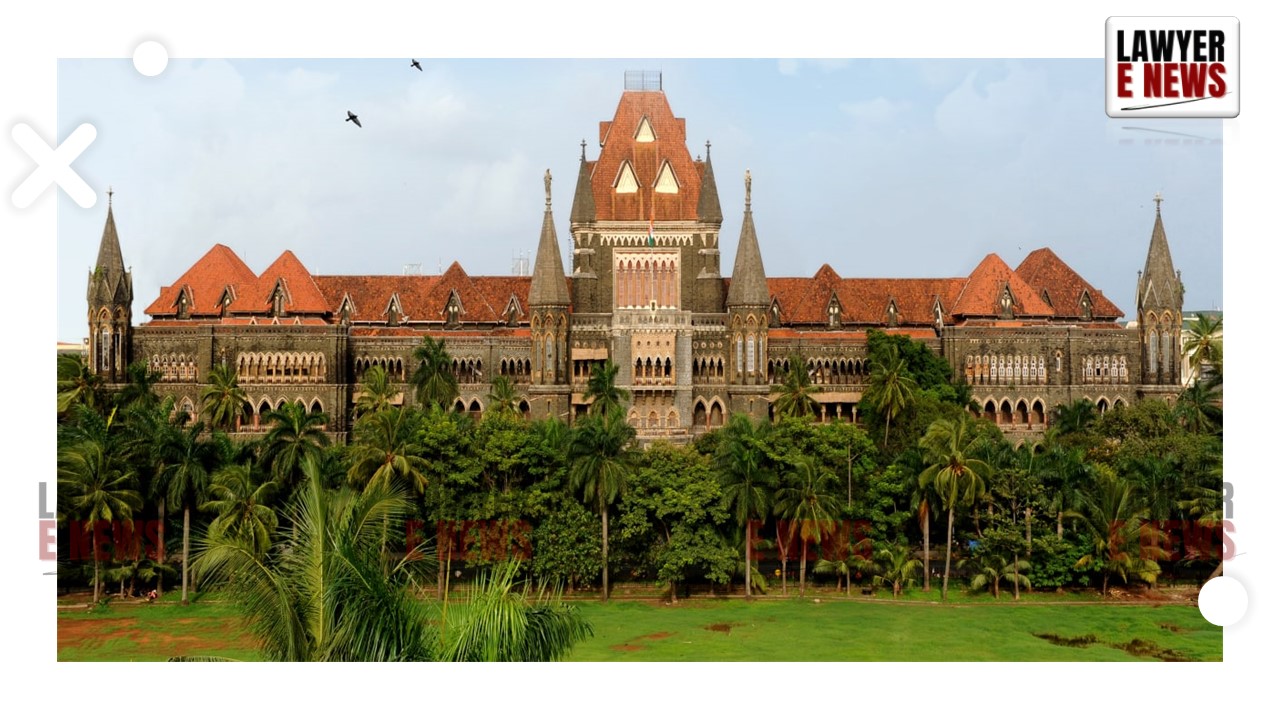
Bombay High Court, in Devidas s/o Jagannath Joshi v. State of Maharashtra, set aside the conviction of the appellant under Sections 7 and 13(1)(d) read with Section 13(2) of the Prevention of Corruption Act, 1988, and ordered a retrial. The appellant contended that he was denied legal assistance during the trial, which led to a violation of his right to a fair trial under Article 21 of the Constitution of India.
Devidas, the appellant, was convicted by the Special Court (ACB), Nagpur, for accepting a bribe of ₹1,50,000 while serving as a Sectional Engineer in the Minor Irrigation Department. The conviction was based on a complaint filed by another engineer, alleging that Devidas demanded money to stall an inquiry into alleged irregularities. The Anti-Corruption Bureau (ACB) conducted a trap, leading to his conviction. Devidas challenged the judgment, arguing that he was deprived of legal representation during critical phases of the trial, including the cross-examination of key witnesses.
The appellant's primary grievance was that his counsel did not appear during significant portions of the trial, forcing him to conduct his defense, including cross-examination, without legal expertise.
The Court observed that the right to legal assistance is a fundamental part of a fair trial. The appellant, being untrained in law, was prejudiced by the lack of representation. Citing precedents like Mohd. Hussain alias Zulfikar Ali v. State (Govt. of NCT of Delhi), the Court noted that an accused must be afforded the right to counsel, especially when facing serious charges.
"The trial conducted without legal assistance is in violation of Article 21, and a retrial is warranted to ensure fairness," the Court held [Paras 36-52].
The appellant also contested the validity of the prosecution’s sanction order, arguing that the Sanctioning Authority was not examined during the trial.
The Court agreed with the appellant, holding that the prosecution failed to prove the validity of the sanction. The non-examination of the Sanctioning Authority and the absence of material to show proper application of mind invalidated the sanction order.
"The prosecution did not establish the validity of the sanction as required by law, warranting a retrial," the Court noted [Paras 16-25].
The prosecution relied heavily on the testimony of the complainant and shadow witnesses to establish the demand and acceptance of a bribe. However, due to the absence of the appellant’s counsel, the cross-examination of these witnesses was incomplete, significantly prejudicing the defense.
The Court held that incomplete cross-examination hindered the appellant’s right to a fair defense.
"Retrial is necessary to ensure that the accused has a full and fair opportunity to cross-examine the prosecution witnesses," the Court stated [Paras 26-34].
Justice Urmila Joshi-Phalke quashed the appellant's conviction, recognizing the fundamental right to legal assistance. The Court emphasized that the absence of legal representation, particularly during cross-examination, denied the appellant a fair trial. The Court referred to several Supreme Court judgments underscoring the importance of fair trial principles under Article 21 of the Constitution.
"The accused’s right to a fair trial, including legal representation, is paramount. Denial of such rights constitutes a violation of due process," the Court observed [Para 44].
Additionally, the Court criticized the prosecution for failing to prove the validity of the sanction for prosecution, noting that the Sanctioning Authority was not examined, and no evidence of proper application of mind was provided.
"The sanction order lacked necessary legal scrutiny, and its validity was not established as per legal requirements," the Court noted [Paras 19-25].
The Bombay High Court set aside the conviction and ordered a retrial, directing that the appellant be allowed to engage counsel or be provided legal aid. The case was remanded back to the Special Court with instructions to conduct the trial afresh, ensuring the appellant's right to legal representation is respected.
Date of Decision: September 20, 2024
Devidas s/o Jagannath Joshi v. State of Maharashtra