UDCPR | Municipal Authorities Empowered To Grant Relaxation For Recreational Open Spaces In Redevelopment Projects: Bombay High Court Appellate Court Can Enhance Compensation Under Motor Vehicles Act Even Without Cross-Appeal By Claimants: Allahabad High Court State Instrumentalities Cannot Supplement Reasons For Withholding Public Money Via Affidavits Years Later: Calcutta High Court Immoral Traffic (Prevention) Act | Victim's Status As 'Illegal Immigrant' Does Not Dilute Offence Or Shield Perpetrator: Bombay High Court Clubbing Of Criminal Trials | No Basis To Direct Consolidation If Connected Proceedings Have Already Concluded: Delhi High Court IBC ‘Clean Slate’ Principle Cannot Extinguish Pre-existing Crystallized Liability Under Labour Awards: Bombay High Court Section 406 IPC | 'Donation' Does Not Constitute 'Entrustment'; Criminal Prosecution Quashed In Absence Of Aggrieved Victim: Delhi High Court Failure To Deliver Possession Of Plot Constitutes "Continuous Wrong" Giving Rise To Recurrent Cause Of Action Under Consumer Protection Act: Delhi State Commission High Court Cannot Entertain Writ Petition Under Article 226 When Statutory Appellate Remedy Under Section 107 CGST Act Is Available: Gujarat High Court Appointment Of Temple Servants Is The Exclusive Prerogative Of The Hereditary Trustee: Kerala High Court Stay Of Suit Proceedings Under CPC Does Not Automatically Bar Adjudication Of Pending Temporary Injunction Application: Rajasthan High Court Section 136A MV Act | Supreme Court Directs States To Impound Vehicles With Unpaid E-Challans And Mandates Electronic Enforcement Compliance Section 115 CPC | Executing Court Cannot Dismiss Execution Petition On Hyper-Technical Grounds Regarding LRs Of Judgment Debtor: Himachal Pradesh High Court Succession Act | Will Not Validly Executed If Attesting Witness Admits Signing Without Witnessing Testator’s Signature: Madras High Court High Court Cannot Interfere Under Article 227 To Correct Errors Of Fact Or Act As An Appellate Court: Madhya Pradesh High Court Advocates Act 1961 | Bar Council Has No Power To Suspend Advocate Pending Disciplinary Enquiry: Allahabad High Court Identification Of Accused By Police Personnel In Pitch Darkness Without Prior Acquaintance Is Unreliable: Himachal Pradesh High Court Body Shaming Or Insulting Physical Appearance Does Not Per Se Constitute Offence Under Section 509 IPC: Karnataka High Court Drishyam 3 | Interim Injunction To Restrain Film Release Cannot Be Granted Without Establishing Clear Subsisting Legal Right: Madras High Court Town Planning Scheme | Statutory Notice To Occupiers Under Rule 12(2)(a) Punjab Municipal Rules Is Mandatory And Independent Of Notice To Owner: Punjab & Haryana High Court

'Refusal of Physical Intimacy Amounts to Mental Cruelty: High Court Grants Divorce on Grounds of Non-Consummation and Mental Cruelty

07 May 2024 8:19 AM

By: Admin


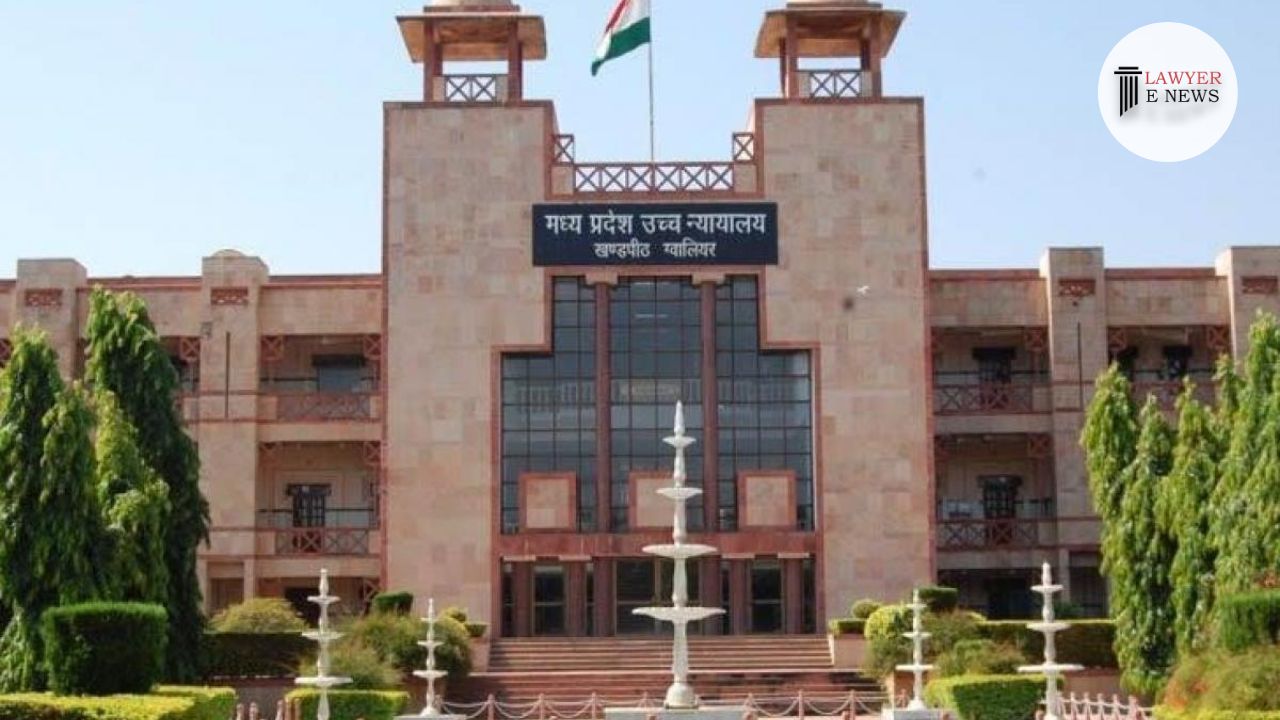
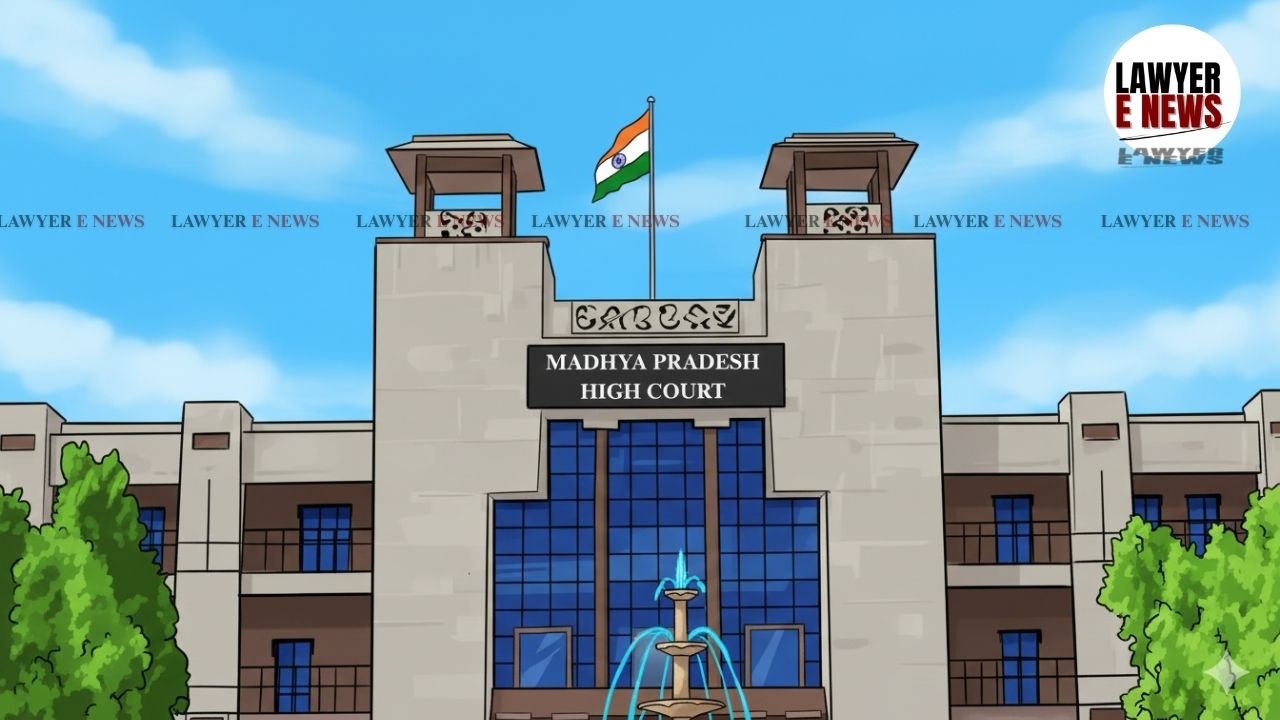
In a latest judgement, the High Court of Madhya Pradesh granted a divorce decree on the grounds of non-consummation of marriage and mental cruelty. The case, presided over by Hon'ble Justice Sheel Nagu and Hon'ble Justice Vinay Saraf, involved an appeal by Sudeepto Saha against the trial court’s decision dismissing his plea for divorce from his wife, Moumita Saha.

Justice Saraf, in his observation, noted, "Unilateral refusal to have sexual intercourse for a considerable period without any physical incapacity or valid reason can amount to mental cruelty." This pivotal statement underpinned the court's decision, acknowledging the severe impact of denial of physical intimacy in a marital relationship.

The appellant, Sudeepto Saha, had filed for divorce under Section 13 of the Hindu Marriage Act, alleging that his marriage, solemnized on July 12, 2006, was never consummated due to his wife's refusal of cohabitation. He also claimed mental cruelty, citing his wife's alleged affair, false accusations against his family, and her subsequent desertion.

Despite repeated notices, the respondent, Moumita Saha, did not appear in court, further supporting the appellant's claims of desertion and lack of interest in the marriage. The High Court criticized the trial court's failure to recognize the mental cruelty inflicted upon the appellant, overturning its previous judgment.

The High Court's decision, referencing notable precedents such as Samer Ghosh Vs. Jaya Ghosh and Sukhendu Das Vs. Rita Mukherjee, reinforces the concept of mental cruelty as a legitimate ground for divorce. It emphasizes the significance of mutual respect and physical intimacy in a marriage and acknowledges the psychological impact of its denial.

Date Of Decision: 03 January, 2024

SUDEEPTO SAHA  VS MOUMITA SAHA       

 

Latest Legal News