-
by sayum
05 August 2026 5:12 AM







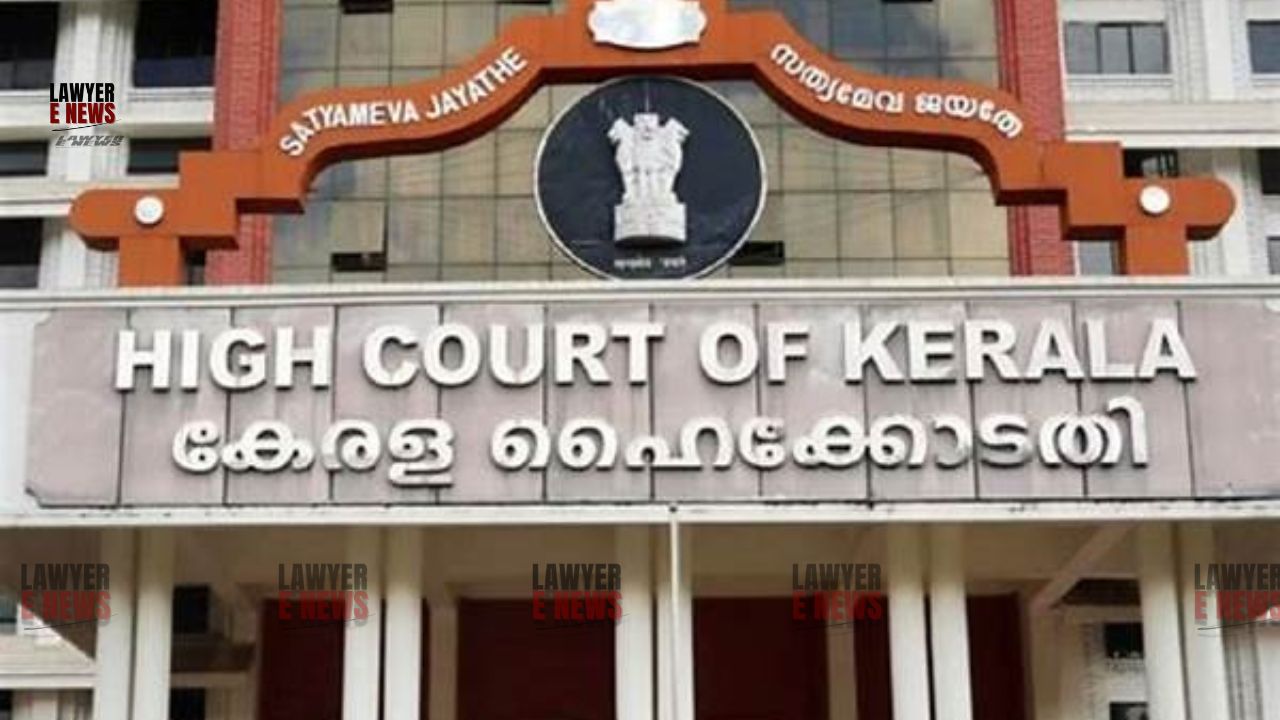
“Non-disclosure of a serious offence in an earlier FIR by the same complainant against the same accused shows falsity of the allegations and an abuse of process” – In a critical judgment reflecting judicial caution against misuse of criminal law, the Kerala High Court quashed the FIR and chargesheet in a rape case, finding the allegations to be “untrustworthy, delayed, exaggerated and vindictive”, and motivated by a longstanding family property dispute.
Justice A. Badharudeen invoked the inherent powers under Section 482 CrPC to prevent what the Court called “a clear abuse of the process of law”. The petitioner, the elder brother-in-law of the complainant, was accused of repeated sexual assaults allegedly committed between 2016 and 2018. However, the Court found that the allegations were both belated and inconsistent, especially when viewed against multiple prior FIRs filed by the complainant without mentioning rape.
“When rape is not alleged in the first FIR but added in a second FIR four days later, the allegation loses credibility”
The complainant had registered an FIR against the petitioner on 22 December 2018, accusing him of minor offences like assault and insult (under Sections 341, 324, 509 IPC). But notably, no allegation of rape was made. Just four days later, a fresh FIR was filed on 26 December 2018, accusing the same person of repeated rape over the span of two years.
This contradiction, the Court held, vitiated the entire prosecution:
“Indisputably, non-disclosure of a serious offence within a reasonable time or at least when an earlier crime was registered against the same accused at the instance of the same de facto complainant would show falsity of the allegations and make the procedure of law an abuse.” [Para 11]
Further damaging to the prosecution's case was the exaggeration of allegations in the final report. The First Information Statement (FIS) initially spoke of a single incident in 2017, but the final charge sheet inflated it to repeated rapes from 2016 to March 2018, without specifying dates or evidence.
“One woman, four rape FIRs against three brothers-in-law – A pattern of personal vendetta?”
The Court noted with concern that the complainant had filed multiple rape FIRs against other brothers of her husband, some of which had already resulted in acquittals:
“Serious offences are alleged against the petitioner and his brothers without any basis… the entire prosecution is malafide.” [Para 5]
This, the Court observed, reflected a vindictive pattern, stemming from dissatisfaction with the division of family property under a registered Will.
Supreme Court precedent applied: Delayed and inconsistent FIRs held fatal to prosecution
Relying on the recent Supreme Court ruling in Batlanki Keshav Kumar Anurag v. State of Telangana, 2025 KHC 6559, the Kerala High Court reiterated that:
“Inherent contradictions in successive FIRs over the same subject matter cannot be reconciled… allowing prosecution to continue would be a travesty of justice.” [Para 9]
The judgment underscores that justice requires not only punishment for the guilty, but also protection of the innocent from malicious prosecution.
Claim of disability not supported by record
The State argued that the complainant was deaf and mute. However, the Court found no such reference in the prosecution record. At most, the FIS noted minor hearing loss, not total incapacity.
“The prosecution records in no way suggest she is deaf and dumb… this contention is of no avail to the prosecution.” [Para 12]
Court Quashes Entire Prosecution to Prevent Miscarriage of Justice
Concluding that no prima facie case of rape was made out, and that the criminal process was being misused as a tool of family retaliation, the Court ordered:
“The entire proceedings are abuse of process of court… Annexure A1 FIR and A2 Charge Sheet stand quashed.” [Para 14]
The Registry was directed to forward a copy of the order to the trial court for immediate effect.
Date of Decision: 5 June 2025