Mere Reproduction Of Evidence Can Never Be Equated With Appreciation: Karnataka High Court Quashes Penalty Against Govt Employee Accused Cannot Repeatedly Send Cheque To FSL Till Favourable Report Is Obtained: Kerala High Court In NI Act Case Succession Certificate Cannot Be Issued For Gold Jewels Pledged With Bank, Applies Only To Debts And Securities: Madras High Court Order 11 Rule 14 CPC | Court Cannot Direct Production Of Documents Without Ascertaining They Are In Party's Possession: Calcutta High Court Undertrial Prisoners Don't Suffer 'Civil Death', Retain Fundamental Right To Alienate Property From Jail: Rajasthan High Court Direction For Reasonable Annual Enhancement Of Maintenance Under Section 125 CrPC Merely Preserves Its Real Value Against Inflation: Delhi High Court Testimony Of Sole Interested Witness Must Be Of 'Sterling Quality' To Base Conviction: Patna High Court Acquits Murder Convict Failure To Communicate Written Grounds Of Arrest Renders Arrest Constitutionally Infirm, Accused Entitled To Bail: Punjab & Haryana High Court Section 482 CrPC Petition Not Maintainable Against Order Framing Charge Under SC/ST Act, Appeal Lies Under Section 14A: Tripura High Court Disputed Questions Of Fact Regarding Title And Forged Documents Cannot Be Decided Under Article 226: Telangana High Court Matter To Be Enquired By Bar Council: Madhya Pradesh High Court Dismisses Lawyer's PILs With Costs For Suppressing Attorney-Client Relationship BDA Cannot Arbitrarily Reverse Resolutions Passed To Comply With Judicial Directives: Karnataka High Court Section 52A NDPS Act: Mere Non-Compliance Does Not Automatically Vitiate Trial Unless Evidence Is Doubtful: Punjab & Haryana High Court Seniority Must Be Determined From Date Of Substantive Appointment, Not Ad-Hoc Service: Allahabad High Court Uncorroborated Testimony Of Drug Inspector Cannot Form Sole Basis For Conviction Under Drugs Act: Andhra Pradesh High Court Suppression Of Adverse Facts Strikes At Root Of Equitable Jurisdiction: Bombay High Court Denies Injunction In HUF Property Dispute

Quashing of Impugned Letters and Restoring Non-Practicing Allowance to Qualified MBBS Professors: A Directive of Justice and Rationality- Delhi High Court

07 May 2024 8:19 AM

By: Admin


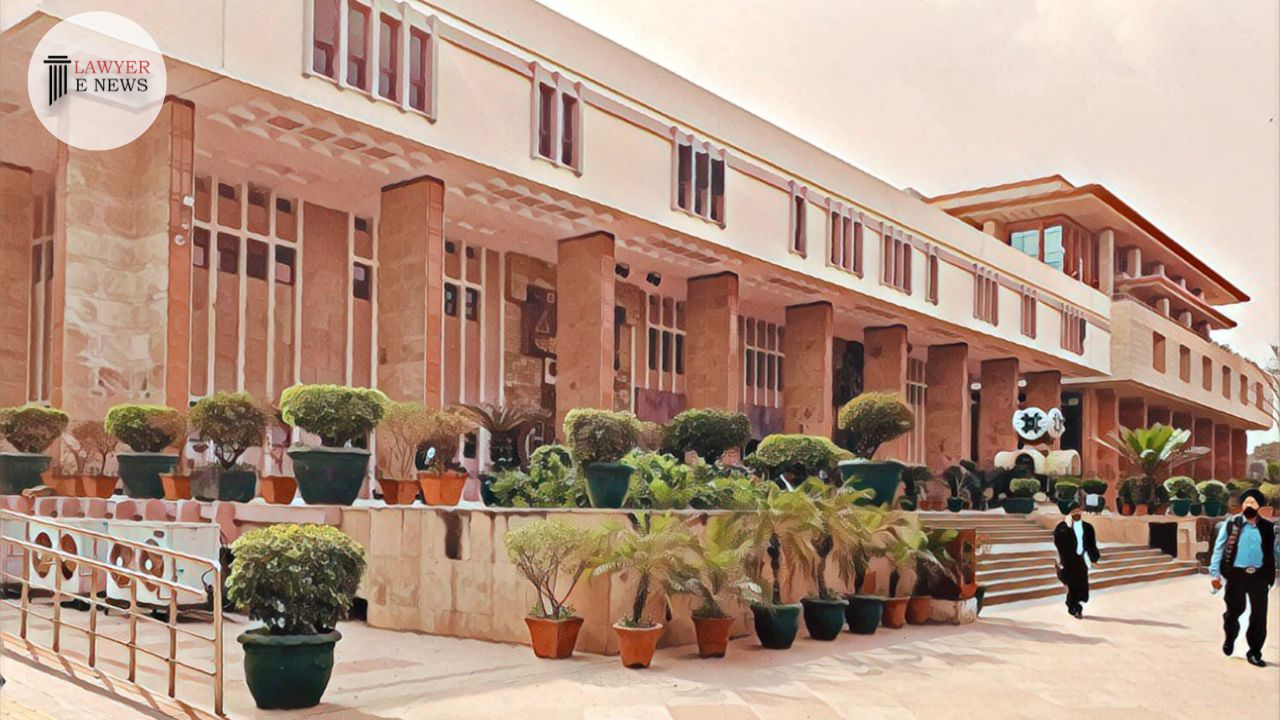
The Delhi High Court, in a landmark judgment pronounced by Justice Tushar Rao Gedela, has upheld the rights of MBBS qualified professors at Jawaharlal Nehru University (JNU) to receive Non-Practicing Allowance (NPA). The judgment quashed several impugned letters and directed the University to restore and pay arrears of NPA to the petitioners, dating back to January 2017.

The petitioners, all qualified MBBS doctors employed as Assistant Professors at JNU, approached the High Court under Article 226 of the Constitution of India. They sought redressal against the withdrawal of their NPA and demanded the restoration and payment of arrears. The allowance, initially granted, was abruptly halted and attempts were made to recover the amounts previously paid.

Eligibility for NPA: The Court acknowledged the petitioners’ eligibility for NPA based on their MBBS qualifications, which are recognized as essential for their appointments.

Jurisdiction of University’s Executive Council: The decision to withdraw NPA was deemed invalid by the Court, citing the lack of an appropriate resolution from the University’s Executive Council.

Reference to Repeated Amendments: The Court referred to various amendments and rules under which NPA was instituted and revised, emphasizing the consistent recognition of NPA for positions requiring medical qualifications.

Rationale Behind Granting NPA: The judgment reiterated that NPA was an incentive for doctors in lieu of private practice and that merely being in a non-clinical role does not invalidate this allowance.

Comparison with Other Institutions: It was noted that similar institutions across the country continue to provide NPA to positions demanding an MBBS degree, reinforcing the petitioners’ case.

The High Court directed JNU to restore the NPA to the petitioners and pay the arrears from January 2017 onwards. In the event of a delay beyond six weeks, the University will owe a simple interest of 6% per annum on the due amounts.

Date of Decision: April 3, 2024

PROF DR. MOHAN RAO & ORS. Vs. JAWARHARLAL NEHRU UNIVERSITY & ORS.

 

Latest Legal News