-
by sayum
06 October 2026 2:36 PM







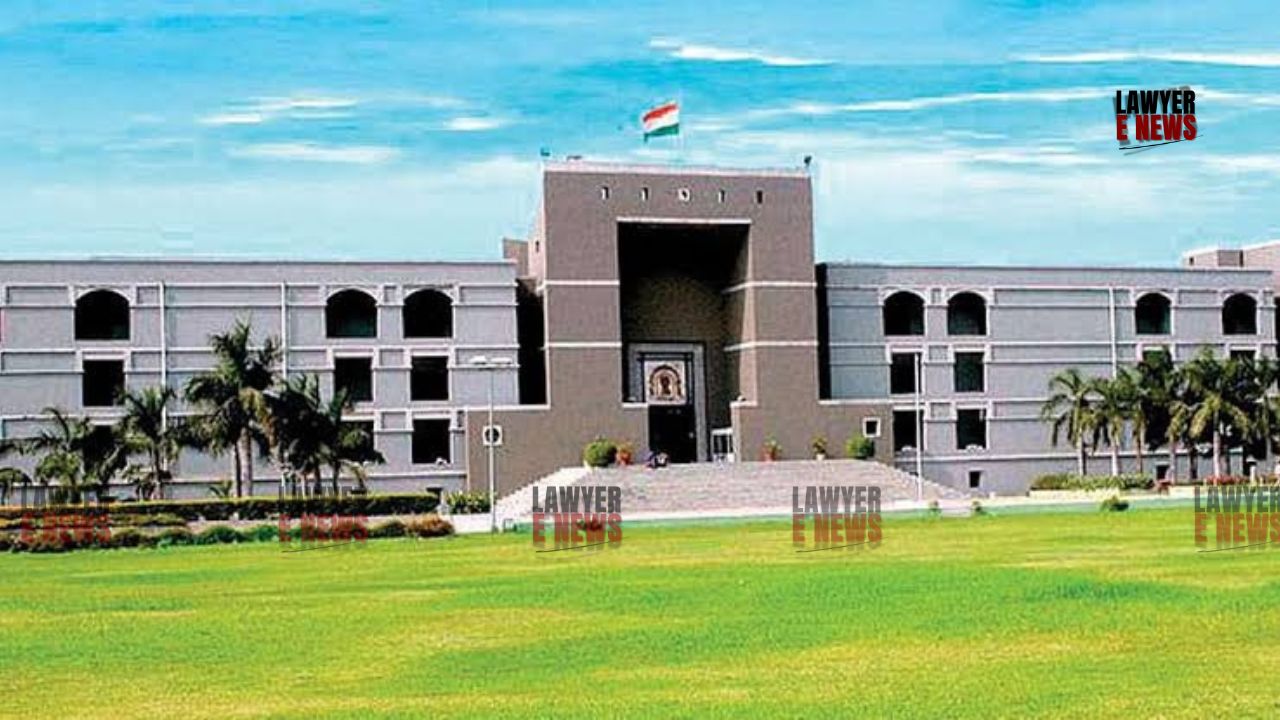
In a significant judgment, the Gujarat High Court has quashed the criminal proceedings against the petitioner, Mohemad Hanif Abdulsatar Teliya, under the principle that he was neither present at the site of the accident nor directly involved in it. The court observed that the petitioner had already served 9 months in custody, which is substantial in comparison to the maximum punishment for the alleged offense.
Brief on Legal Point: The case hinged on the legal responsibility of the petitioner, the father and registered owner of the vehicle involved in a fatal traffic accident caused by his juvenile son. The key legal points involved the application of Sections 279, 304, 304(A) of the IPC and Sections 177, 184, 181(3), 189, 199A(1) to 199A(5) of the Motor Vehicles Act. The court analyzed whether the petitioner, as the guardian and vehicle owner, could be held vicariously liable for the acts of his juvenile son under these provisions.
Facts and Issues: The petitioner’s minor son was involved in a fatal accident. The petitioner was charged as he was the vehicle’s registered owner and the juvenile’s guardian. Witnesses in the juvenile case turned hostile, and a settlement was reached with the complainant. The defense argued for the application of Section 199A of the Motor Vehicles Act only, citing the petitioner’s non-involvement in the actual incident and his having already served 9 months of imprisonment.
Absence of Direct Evidence: The court noted the absence of direct evidence linking the petitioner to the accident.
Hostile Witnesses: All witnesses in the juvenile case turned hostile, weakening the prosecution’s case.
Statutory Presumption Rebuttable: The court held that the statutory presumption under Section 199A of the Motor Vehicles Act is rebuttable and does not apply as the petitioner was not present nor directly involved in the accident.
Substantial Custody Time: The court considered the 9 months already served by the petitioner substantial, given the maximum punishment for the offense.
Fine Imposition: The proceedings against the petitioner were quashed subject to the payment of a Rs.25,000 fine.
Decision: The High Court ordered the quashing of Sessions Case No.107 of 2023 against the petitioner, subject to the payment of a fine. This judgment emphasizes the principle of individual culpability and the limits of vicarious liability in the context of motor vehicle accidents involving juveniles.
Date of Decision: April 9, 2024.