-
by sayum
29 August 2026 7:20 AM







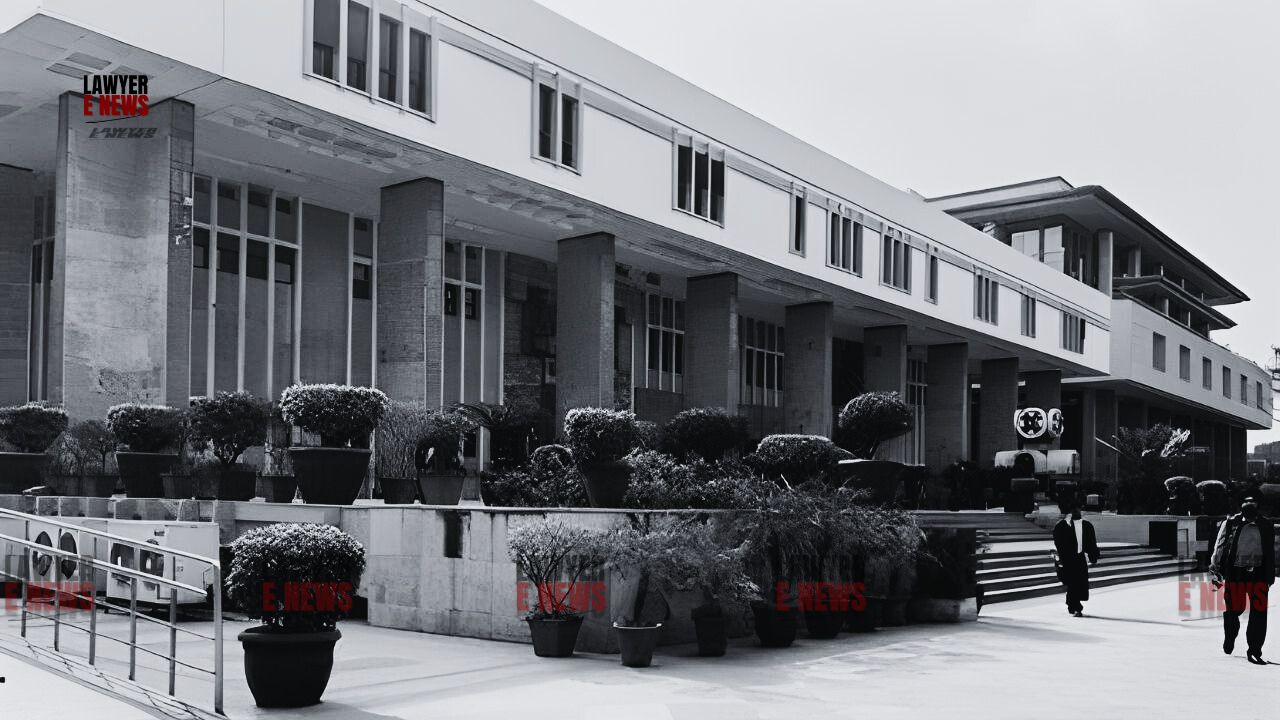
“Unauthorized Use of Celebrity Persona is Commercial Exploitation, Not Free Speech” — Delhi High Court granting sweeping ex-parte interim injunctions to protect the actor’s personality rights, which were under attack from unauthorized online content, merchandise, and AI-generated deepfakes. Justice Tejas Karia observed that the Plaintiff’s name, image, voice, signature and likeness were being blatantly misused by websites and platforms, in a manner that not only tarnished his reputation and goodwill, but also infringed his right to privacy, dignity and livelihood.
The Court held that such misuse — especially when aided by Artificial Intelligence, Deepfake tools, and face morphing technology — was “tantamount to exploitation” and had the potential to cause irreparable and irreversible injury to the reputation of a public figure. “Fame can come with its own disadvantages,” the Court observed, as it recognised the growing threat of digital impersonation in the era of AI.
"Deepfakes Dilute Dignity": Court Cracks Down on AI-Generated Explicit Content Featuring Public Figures
The judgment stemmed from a suit filed by Bollywood actor Abhishek Bachchan against 18 defendants — including merchandise websites, YouTube channels, and anonymous "John Doe" entities — who had used his persona without authorization. The Plaintiff presented evidence showing that his photographs, name, voice, and likeness were being used to sell t-shirts, mugs, wallpapers, posters, stickers, and other merchandise. Worse, AI-generated videos were found portraying him in sexually explicit or inappropriate content, in violation of his privacy and moral rights.
The Court acknowledged that the actor's persona had acquired commercial distinctiveness, stating: “The Plaintiff’s Personality Rights, which include the Plaintiff’s name, image, likeness, signature and all other elements of the Plaintiff’s persona, have acquired a unique distinctiveness and… a huge commercial value associated with them.”
Justice Karia remarked that the use of such attributes through emerging technology like Artificial Intelligence and Generative AI without consent could “create confusion and deception among the public regarding affiliation with or sponsorship by the Plaintiff.” The Court emphasized that celebrity persona is not open to public exploitation, stating:
“There can be no justification for any unauthorised website or platform to mislead consumers into believing that they are permitted to collect fees or use identity by incorrectly portraying association with the Plaintiff.”
“Right to Reputation, Dignity and Livelihood Cannot Be Sacrificed on the Altar of AI Innovation”: Court Issues Sweeping Compliance Directions
In a 16-page detailed order, the Court restrained the Defendants from using any part of the Plaintiff’s persona — “including name ‘Abhishek Bachchan’, acronym ‘AB’, image, likeness, voice, performance or signature” — for any commercial or personal gain. The injunction covered any use “through the use of any technology including but not limited to Artificial Intelligence, Generative AI, Deepfakes or Face Morphing.”
In a stern rebuke, the Court noted:
“Such unauthorized use, especially in misleading or sexually explicit settings, intrudes upon the Plaintiff’s right to privacy… and is further aggravated by the ease with which online content can be disseminated.”
Google (Defendant No. 15) was directed to take down infringing YouTube channels and disclose subscriber details, including email IDs, IP logs and contact information of the content creators. The Ministry of Electronics and Information Technology and the Department of Telecommunications (Defendants 16 and 17) were also instructed to issue takedown orders for offending URLs. The Court permitted the Plaintiff to serve copies of the order and “Annexure-A” — a document listing infringing content — to all platforms and entities concerned, mandating compliance within 72 hours.
The Court also recognized the commercial damage to the Plaintiff and the risk of reputational conflict with brands he legally endorses:
“Inferior quality would mean a further debasement of the goodwill and reputation that the Plaintiff has carefully garnered… Such usage may also conflict with the Plaintiff’s existing contractual obligations with third party entities.”
“Personality Rights Deserve Protection in the Digital Age”: Delhi HC Recognizes the Threat of Technology-Enabled Infringement
The Court anchored its ruling in precedent, relying on Anil Kapoor v. Simply Life India, where it was held:
“Using a person's name, voice, dialogues, images in an illegal manner, that too for commercial purposes, cannot be permitted.”
Similarly, it cited Amitabh Bachchan v. Rajat Nagi and Aishwarya Rai Bachchan v. Aishwaryaworld.com, where Delhi High Court had protected celebrity rights against online misuse and AI impersonation.
Justice Karia stressed that Personality Rights, including the right of endorsement, form an essential part of a celebrity’s livelihood and cannot be eroded by technological mischief or unchecked digital monetization. The Court noted:
“The celebrity’s right of endorsement would in fact be a major source of livelihood for the celebrity, which cannot be destroyed completely by permitting unlawful dissemination and sale of merchandise.”
It concluded that the Plaintiff had made out a prima facie case and failure to intervene would cause “irreparable loss not only financially but also with respect to his right to live with dignity.”
“Misusing Celebrity Identity for Profit is Passing Off, Not Parody”: Court Sets Powerful Precedent on AI Misuse and IP Rights
This judgment sets an unmistakable judicial standard for safeguarding celebrity identity in the digital age. By recognizing that Personality Rights include economic, moral and dignitary dimensions, the Delhi High Court has sent a clear message to e-commerce players, social media platforms, and content creators that unauthorized usage, especially powered by new-age tech tools like AI, is not innovation but infringement.
The ruling not only affirms a celebrity’s control over their image but also asserts that consent is the cornerstone of lawful usage — even in satire, merchandising, or fan-based digital content.
This case may very well serve as a cornerstone in the evolving jurisprudence around AI, publicity rights, and digital identity protection, especially as Indian courts grapple with the challenges of technology-induced violations of human dignity.
Date of Decision: 10 September 2025