-
by sayum
02 October 2026 8:27 AM







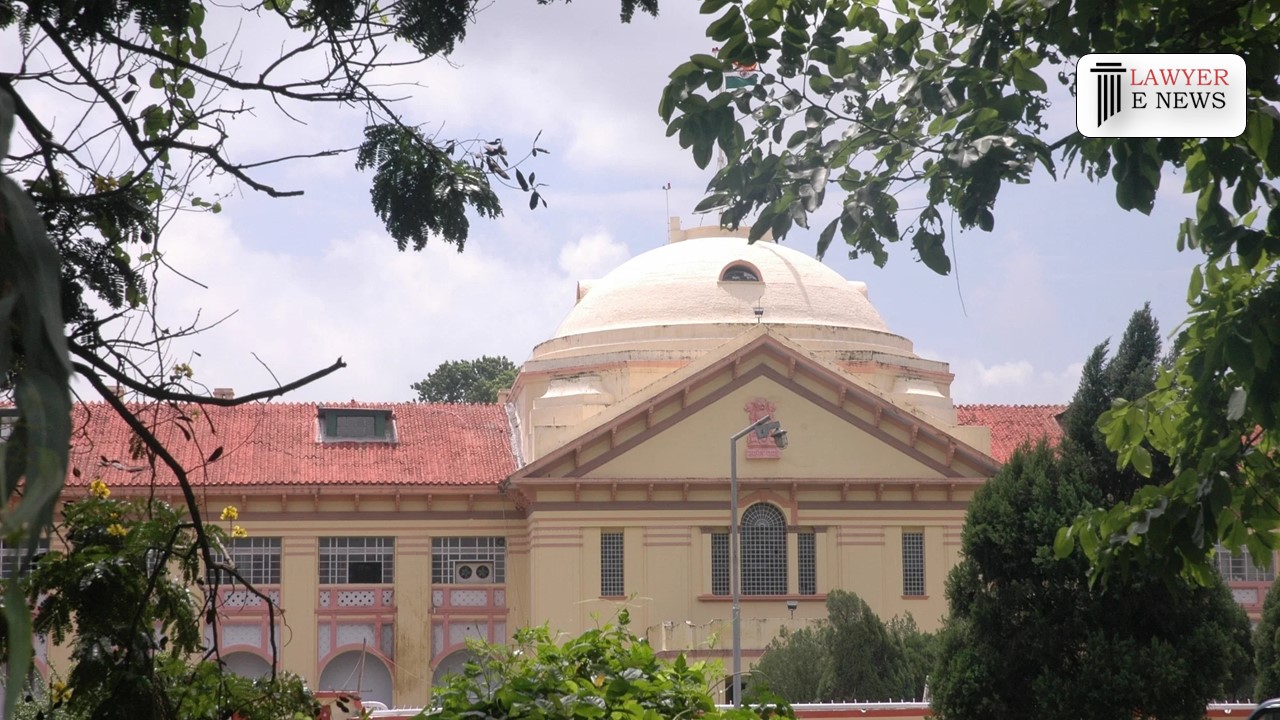
In a significant judgment, the Patna High Court, comprising Honourable the Chief Justice and Honorable Mr. Justice Partha Sarthy, has upheld the pension eligibility of a former employee who served for over 15 years continuously. The judgment was delivered on June 26, 2023, in Letters Patent Appeal No. 198 of 2016, arising from Civil Writ Jurisdiction Case No. 15761 of 2013.
The appellant in the case, the Registrar General of the Patna High Court, had challenged an order issued by a learned Single Judge on November 12, 2014. The writ petitioner, Mr. Ram Vyas Dubey, had filed a writ application seeking the quashing of a letter dated July 10, 2012, which denied him pension benefits due to a perceived inadequate period of service. Mr. Dubey, appointed as a Daily Wage Mazdoor and later as an Ex-Cadre Assistant, had retired on October 31, 2010, after dedicating more than 25 years to the service.
The appellant contended that Mr. Dubey had not completed the requisite 10 years of regular service as a permanent employee, which rendered him ineligible for pension benefits. They argued that the petitioner’s temporary service and subsequent reversion to a Daily Wage Employee should be considered when assessing his eligibility. However, the learned Single Judge, after considering Rule 58 of the Bihar Pension Rules, 1950, and the Memo dated August 12, 1969, came to a different conclusion.
Rule 58 of the Bihar Pension Rules stipulates that service under the government must be substantive, permanent, and paid by the government to qualify for pension. Meanwhile, Rule 59 provides an exception wherein the government can declare service rendered by a temporary employee as pensionable. The Memo dated August 12, 1969, further clarified that if a temporary or officiating government servant served continuously for more than 15 years, their service could be considered pensionable under Rule 59.
The court carefully examined the provisions of the Bihar Pension Rules, 1950, and the Memo, and found that the learned Single Judge had correctly interpreted the rules. It noted that although Mr. Dubey had worked in a temporary capacity, his continuous service exceeded 15 years. Consequently, the court held that Mr. Dubey’s service should be considered for pension benefits under Rule 59.
The bench, while dismissing the appeal, emphasized that the writ petitioner fulfilled the conditions for pension eligibility as specified by the relevant rules. This landmark judgment provides clarity on the interpretation of the Bihar Pension Rules and highlights the importance of considering continuous service when determining pension entitlement.
The judgment reinforces the principle of providing social security and financial stability to employees who have dedicated a significant portion of their lives to government service. It sets a precedent for cases involving pension eligibility and serves as a guiding reference for similar disputes in the future.
This decision by the Patna High Court brings relief to Mr. Ram Vyas Dubey and underscores the significance of recognizing the value of long-standing service rendered by employees in securing their financial well-being post-retirement.
Date of Decision: June 26, 2023
Patna High Court vs Ram Vyas Dubey