Limitation Period For Specific Performance Starts From Date Of Refusal If No Fixed Date Stipulated In Agreement: Karnataka High Court Pensionary Benefits Not ‘Pecuniary Advantage’, Cannot Be Deducted From Income For Motor Accident Compensation: Punjab & Haryana High Court Propounder Faces Heavy Burden Of Proof When Testator Is Illiterate; Registration Does Not Cure Unexplained Suspicious Circumstances: Supreme Court Mother Killing Minor Children Over Husband's Refusal To Take Her To Workplace Is Murder, Not Culpable Homicide: Andhra Pradesh High Court Specific Performance Of Registered Agreement To Sell Is No Longer Discretionary Post-2018 Amendment: Allahabad High Court Civil Court Has Jurisdiction To Determine If Tenanted Property Belongs To Joint Family Even If Tenancy Order Stands In Individual Karta's Name: Bombay High Court Notice Under Section 107 BNSS Mandatory Before Attaching Property; Right To Property Is A Constitutional Right: Calcutta High Court Post-Cognizance Arrest 'Makes No Sense' If Investigation Completed Without Arrest: Delhi High Court Grants Bail Under BNSS Criminal Courts Cannot Be Used To Settle Civil Inheritance Disputes Over Appreciated Land Values: Gujarat High Court Quashes Fraud Case Accused Must Raise Probable Defence To Rebut Statutory Presumption Under Section 139 NI Act If Signatures Are Undisputed: Himachal Pradesh High Court Passing Departmental Exam Not A Pre-requisite For Grant Of ACP/MACP Benefits: Jharkhand High Court Convenience Of Family And Accused Paramount For Jail Shifting; Trial Court Can't Reject Application Merely For Non-Residency: J&K High Court Litigants Who Attempt To Pollute The Stream Of Justice With Tainted Hands Are Not Entitled To Any Relief: Karnataka High Court Trial Court Must Implement Modified Preliminary Decree In Full: Telangana High Court Directs Partition Of Property Omitted In Final Decree Proceedings If Grievance Is Real But Lies Before Different Forum, Plaint Should Be Returned Under Order VII Rule 10 CPC, Not Rejected: Rajasthan High Court Bail Cannot Be Denied Merely Due To Severity Of Economic Offence If Evidence Is Documentary: Punjab & Haryana High Court Non-Compliance With Mandatory Duty To Inform Grounds Of Arrest Under Section 47 BNSS Is Impermissible: Orissa High Court Grants Bail Land Acquisition Award Finality Under Section 12 Is A Bar To Writ Petitions Challenging 'Public Necessity': Madhya Pradesh High Court State As Eminent Domain Is Obligated To Pay Adequate Compensation, Not Minimum To Suit Its Convenience: Madras High Court Kerala High Court Grants Emergency Parole To Life Convict To Execute Sale Deed, Repay Bank Loan To Prevent Family's Eviction High Court Cannot Act As Court Of First Instance In Service Matters Amenable To CAT Jurisdiction: Delhi High Court Election Tribunal Has No Jurisdiction To Declare Caste Certificate Forged, Authority Vests Solely With Scrutiny Committee: Allahabad High Court Order IX Rule 7 CPC Requires 'Good Cause' Not 'Sufficient Cause'; Trial Court Can't Apply Higher Threshold To Pre-Decree Proceedings: Telangana High Court Victim Cannot Maintain Appeal Seeking Enhancement Of Sentence Under Section 372 CrPC; Such Power Exclusively With State: Rajasthan High Court Disability Pension: Presumption In Favour Of Personnel If Found Fit At Enrollment; Percentage Must Be Rounded Off: Punjab & Haryana HC Employee Entitled To Second Kramonnati Benefit If Promotion To Higher Post Does Not Result In Higher Pay Scale: Madhya Pradesh High Court Borrowers Can Be Granted Opportunity To Clear Loan Overdues In Installments To Prevent Coercive Action Under SARFAESI Act: Kerala High Court

Orissa High Court Exonerates Spa Customers from Trafficking and Exploitation Charges; Maintains Trial for Lesser Offences

07 May 2024 8:19 AM

By: Admin


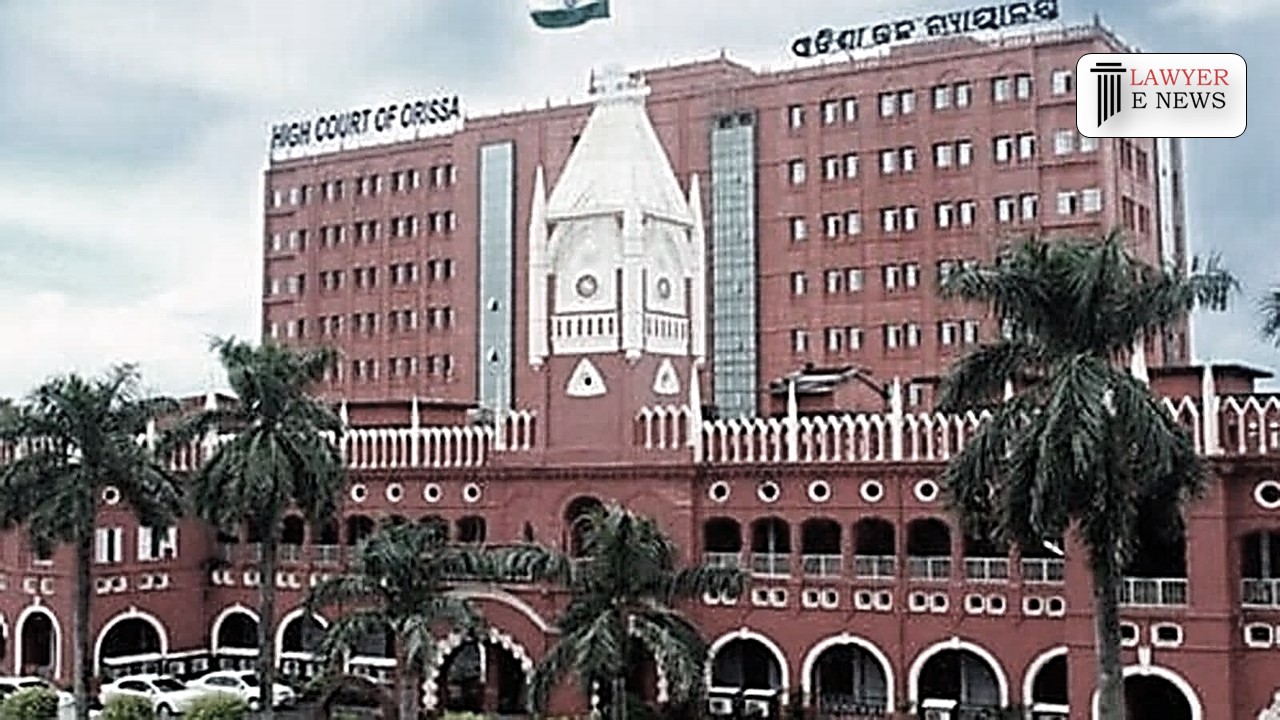
The Orissa High Court in a landmark judgment has set aside the cognizance of offences under Sections 370(3) and 370A(2) of the Indian Penal Code (IPC) against the petitioners, who were customers at a Spa alleged to be a front for a brothel. The judgment highlighted the crucial distinction between the act of being a customer in a brothel and being involved in the trafficking and exploitation of women.

Facts and Issues: The petitioners, Bikash Kumar Jain & another, were implicated in a case registered under various sections of the Immoral Traffic (Prevention) Act, 1956, and additional charges under IPC sections 370(3) and 370A(2) were added subsequently. The contention revolved around whether customers at a Spa, unknowingly availing services from trafficked women, could be held liable under the stringent provisions of IPC for trafficking and exploitation.

Court Assessment: Justice S.S. Mishra, after a thorough examination of the charges and evidence, including the lack of statements from the alleged victimized women, determined that the allegations and the evidence on record did not substantiate the charges of trafficking and sexual exploitation against the petitioners. The court observed that while the act of prostitution is not illegal per se, the evidence failed to establish that the customers were aware or had reason to believe that the women were trafficked for sexual exploitation. Relying on precedents from various High Courts, the judgment delineated the legal position of customers in such scenarios.

Decision of Judgment: The court concluded that the allegations, taken at their face value, did not establish a prima facie case against the petitioners under the aggravated provisions of the IPC. Consequently, the cognizance of offences under Sections 370(3) and 370A(2) IPC was quashed. However, the petitioners were directed to face trial for other offences as per the charge sheet.

 Date of Decision: 09.02.2024

Bikash Kumar Jain & another VS State of Odisha

Latest Legal News