-
by sayum
28 August 2026 2:11 PM







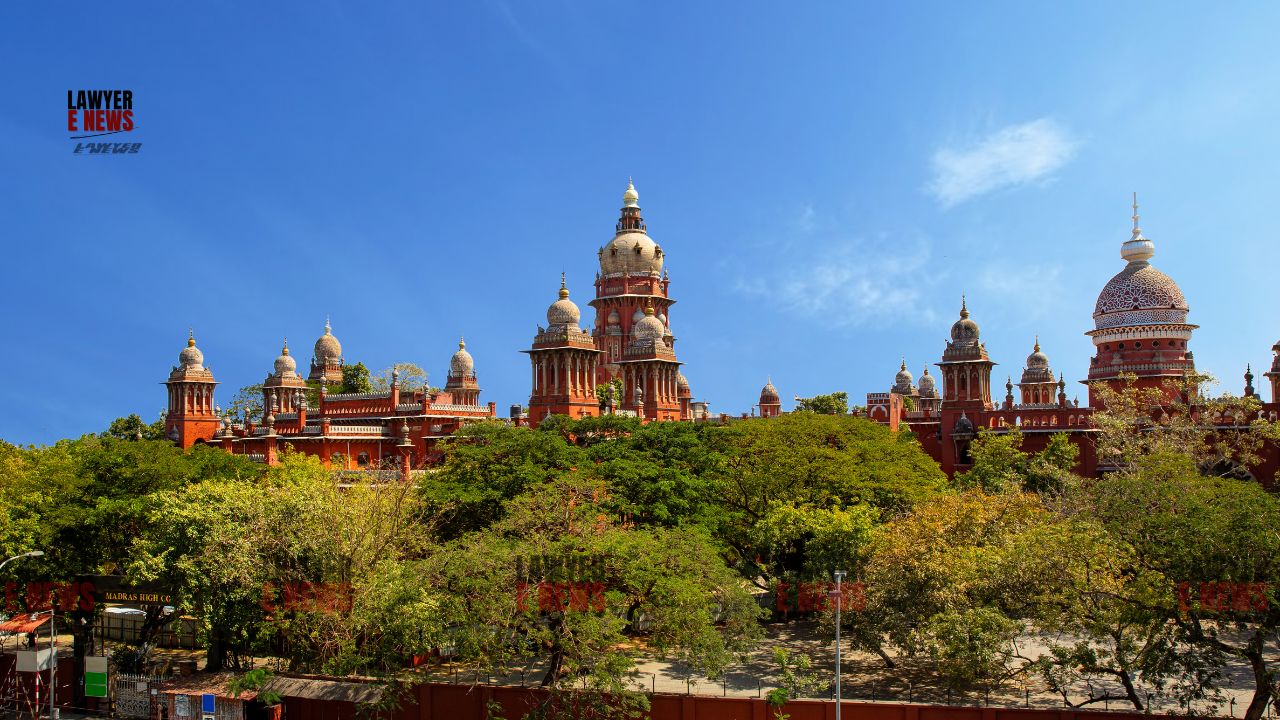
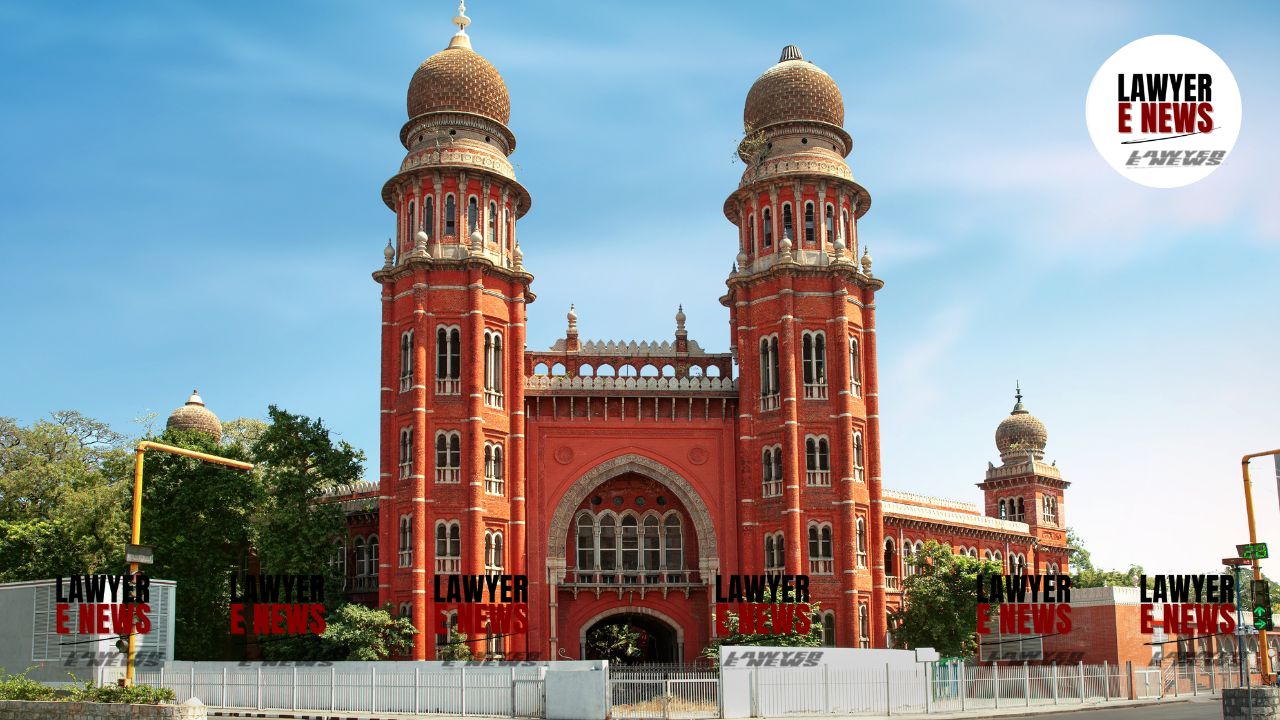
"This filing of the suit would also indicate that there was a relationship between the parties pursuant to the sale agreement... which had become litigatious and he had not sought for a relief of specific performance in the earlier suit. Hence, the present suit would also be hit by principles of Order II Rule 2 CPC, " Madras High Court, in a decision dated June 5, 2026, has held that a plaintiff who fails to seek the relief of specific performance in an earlier suit for injunction involving the same sale agreement is barred from seeking such relief in a subsequent suit under Order II Rule 2 of the Code of Civil Procedure (CPC).
A bench of Justice K. Kumaresh Babu observed that the discretionary relief of specific performance cannot be granted when a purchaser fails to demonstrate continuous readiness and willingness to perform their part of the contract, particularly by failing to deposit the balance consideration.
The court noted that specific performance is a discretionary remedy that requires the plaintiff to come to court with clean hands and a consistent intent to conclude the transaction. In the present case, the court found that the appellant’s conduct, including raising disputes over the land's extent and failing to pay the agreed price, disentitled him from the relief.
The appellant, Danton Baskaran, entered into a sale agreement in March 2006 to purchase a property for Rs. 6.20 lakhs, paying an advance of Rs. 2 lakhs. Following disputes regarding the actual measurement of the property and the vendor's alleged attempt to sell to third parties, the appellant first filed a suit for permanent injunction in 2006. Subsequently, he filed a suit for specific performance and another suit under Section 6 of the Specific Relief Act (SRA) alleging dispossession. The trial court dismissed the claims for specific performance and possession, directing only a refund of the advance, which led to the current appeal and revision.
The primary question before the court was whether the suit filed under Section 6 of the Specific Relief Act was barred by the six-month limitation period. The court was also called upon to determine whether the appellant was entitled to specific performance despite failing to include the prayer in his earlier injunction suit and failing to prove his readiness and willingness to pay the full sale consideration.
Bar Under Section 6 Of The Specific Relief Act
The court first addressed the Civil Revision Petition concerning the suit for possession. It observed that the appellant claimed to have been dispossessed on March 26, 2007, but the records indicated that the plaint was presented before the court only in October 2007. The court emphasized that the statutory timeline for such suits is absolute and cannot be bypassed.
Justice Kumaresh Babu noted that Section 6(2) of the Specific Relief Act, 1963, mandates that no suit for possession can be brought after the expiry of six months from the date of dispossession. Since the appellant failed to produce evidence that the suit was filed within the stipulated six months, the court held that there was no reason to interfere with the trial court's dismissal of that suit on the grounds of limitation.
Failure To Prove Readiness And Willingness Under Section 16(c) SRA
Regarding the claim for specific performance, the court scrutinized the appellant's conduct throughout the transaction. It found that the appellant had raised doubts regarding the title and the extent of the property, claiming a shortage of land. Instead of paying the full agreed consideration, the appellant had demanded a reduction in price, which the court viewed as a lack of readiness to perform the original contract.
The bench observed that the appellant had not produced any material to show that he had made good the balance sale consideration or was willing to register the sale deed at the original price. The court held that the trial court was correct in finding that the appellant’s reluctance to pay the consideration while continuing to harbor doubts about the property's extent demonstrated a lack of bonafides.
"Either during the earlier suit or even during the pendency of this suit, the appellant had not attempted to show his bonafidies by depositing the sale consideration."
The Rigors Of Order II Rule 2 Of The CPC
A significant portion of the judgment focused on the procedural bar created by the appellant's previous litigation. The court noted that the appellant had earlier instituted O.S.No.251 of 2006 seeking a permanent injunction against the vendor. At that time, the cause of action for specific performance had already accrued, yet the appellant chose not to seek that relief.
The court held that the subsequent suit for specific performance was hit by the principles of Order II Rule 2 of the CPC. This provision requires a plaintiff to include the whole of the claim which they are entitled to make in respect of a cause of action. By omitting the relief of specific performance in the first suit without the court's leave, the appellant was precluded from bringing a second suit for that omitted relief.
"This filing of the suit would also indicate that there was a relationship between the parties... and he had not sought for a relief of specific performance in the earlier suit. Hence, the present suit would also be hit by principles of Order II Rule 2 CPC."
Protection Of Subsequent Bonafide Purchasers
The court also affirmed the trial court's finding regarding the second defendant, who had purchased the property while the earlier injunction proceedings were pending. Given that the appellant failed to establish his own readiness and willingness, the court found no infirmity in the conclusion that the subsequent purchaser was a bonafide buyer for value.
The bench concluded that there was no illegality or irregularity in the findings of the trial court. The court maintained that the discretionary relief of specific performance is reserved for those who strictly comply with their contractual obligations and procedural requirements.
The High Court dismissed both the appeal suit and the civil revision petition, upholding the trial court's decree which only allowed for the refund of the advance amount. The ruling reinforces the principle that plaintiffs must seek all available reliefs in their first instance of litigation and must maintain an unwavering readiness to perform their contractual duties to succeed in a claim for specific performance.
Date of Decision: 05 June 2026