-
by sayum
29 August 2026 3:15 PM







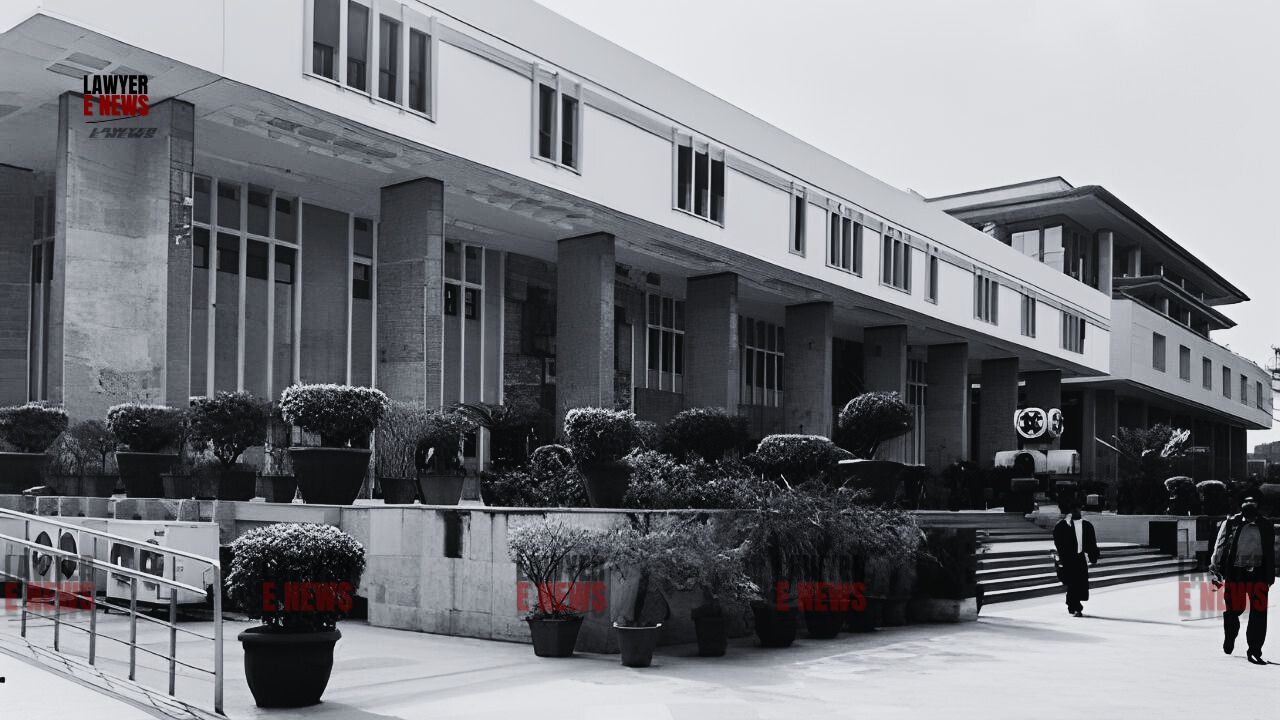
“Judges are Trained Not to Be Influenced by Films – Principle Applies to Criminal Trials Too”, Delhi High Court refused to halt the release of the film “Udaipur Files: Kanhaiya Lal Tailor Murder”, rejecting an accused’s plea that the cinematic portrayal would prejudice his right to a fair trial. A Bench of Chief Justice Devendra Kumar Upadhyaya and Justice Tushar Rao Gedela, while dismissing the interim stay application, held that once a statutory body like the CBFC certifies a film, “the legal presumption about the film being fit for public exhibition shall operate,” and mere conjecture of prejudice cannot justify curtailment of free speech.
The petitioner, Mohmmed Javed, facing trial as Accused No. 8 in the Kanhaiya Lal Tailor murder case, contended that the film’s title, its alleged use of charge-sheet content in dialogues, and the depiction of the incident could contaminate the trial environment. His counsel, Senior Advocate Dr. Menaka Guruswamy, argued that Articles 14 and 21 rights to a fair trial trump Article 19(1)(a) freedom of expression and Article 19(1)(g) commercial rights. She warned that the film might influence not only judges but also witnesses and court staff.
The Court was not persuaded. Citing Supreme Court rulings in Zee News v. Navjot Sandhu and Nachiketa Walhekar v. CBFC, it recalled that “Judges by their judicial training and the kind of office they hold are not expected to be influenced by any such broadcast of such film,” adding that this principle applies equally to civil and criminal trials. It dismissed as unfounded the distinction the petitioner sought to draw between the two.
The film, certified by the CBFC on 20 June 2025 under Section 5A of the Cinematograph Act, had undergone fifty-five cuts mandated by the Board, five additional voluntary cuts, and a disclaimer replacement recommended by the Central Government. The Court emphasised that under Viacom 18 Media v. Union of India, once the certificate is issued, “there is prima facie a presumption that the authority concerned has taken into account all the Guidelines including public order.” Freedom of expression, it reiterated, “cannot be suppressed unless situations created by allowing the freedom are pressing and the community interest is endangered,” quoting S. Rangarajan v. P. Jagjivan Ram that anticipated danger should not be “remote, conjectural or far-fetched” but have a “proximate and direct nexus” with public harm.
On the petitioner’s claim that the film would distort trial fairness, the Court noted that his name did not appear in the film, nor was any role attributed to him. “Merely because the name of the film contains the name of the person who was murdered… cannot be treated as a ground to conclude that there is any proximate or direct nexus between exhibition of the film and its impact on the trial,” it said.
Addressing the principles for interim relief, the Bench found no prima facie case, held that the “balance of convenience lies in favour of the producer” who had invested his lifetime earnings and faced a six-month delay if release were stayed, and concluded that no irreparable loss to the petitioner was demonstrated. It stressed that “doctrine of sub judice may not be elevated to such an extent that some kind of reference… would warrant the negation of the right to freedom of speech and expression.”
In rejecting the stay, the Court deferred the petitioner’s request for an in-camera viewing of the film to the final hearing on 16 October 2025. “For the aforesaid reasons, we are of the opinion that the petitioner has not been able to establish a prima facie case in his favour,” the Bench concluded.
Date of Decision: 7 August 2025