-
by sayum
06 August 2026 1:57 PM








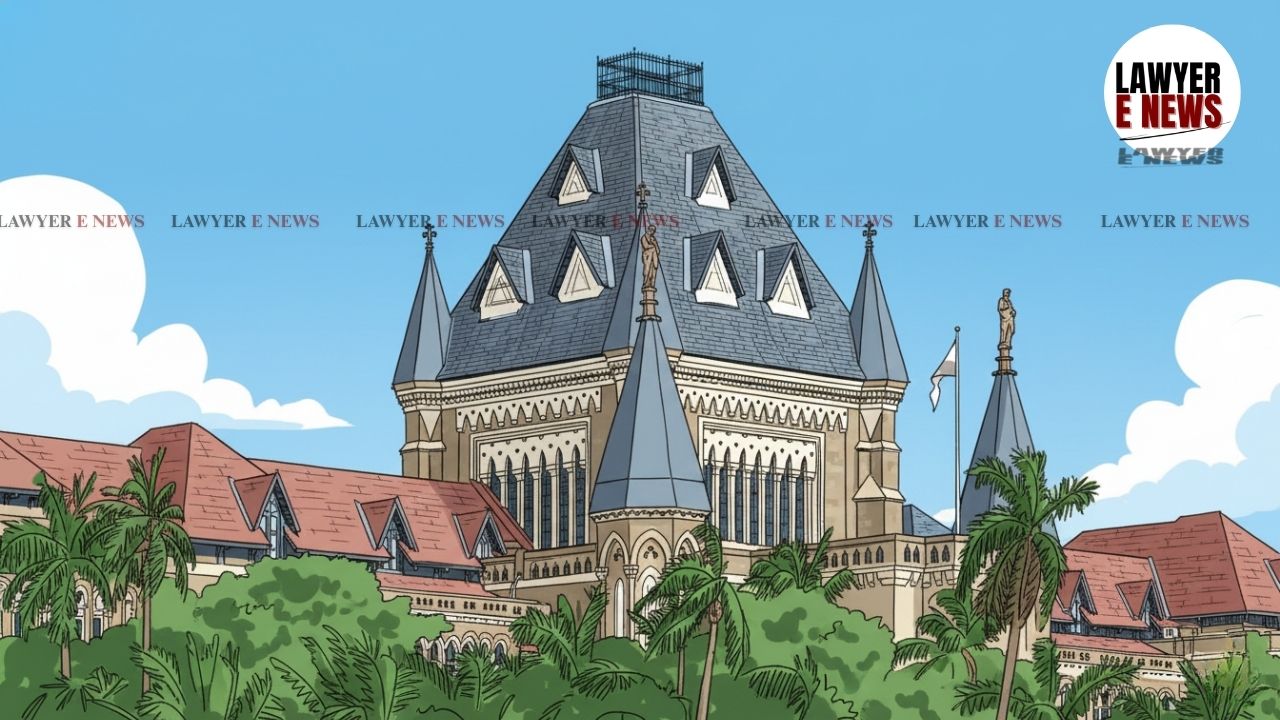
“Repeal Without Savings Clause Obliterates Law — Not Just Prospective, But Retroactive Extinction” - In a landmark judgment reinforcing common law principles of statutory interpretation, the Bombay High Court held that the omission of Rules 89(4B) and 96(10) of the CGST Rules, 2017, without any savings clause, renders all pending proceedings and refund rejections based solely on them as lapsed, unless they had become “transactions past and closed.”
The Division Bench of Justice M.S. Sonak and Justice Jitendra Jain ruled: “Except as to transactions past and closed, an enactment which is repealed or omitted without any savings clause is to be treated as if it had never existed.”
The Court quashed show cause notices, refund rejections, and recovery orders issued to several exporters, including Hikal Limited, holding them as without jurisdiction post-omission of the impugned Rules via Notification No. 20/2024 dated 08.10.2024.
“Section 6 of General Clauses Act Doesn’t Save Subordinate Legislation”: Court Declares Omitted Rules Non-Operative Ab Initio
The Court drew heavily from Constitution Bench decisions in Rayala Corporation and Kolhapur Cane Sugar Works, holding that Section 6 of the General Clauses Act, 1897, which provides for the survival of pending proceedings after repeal, applies only to repeals by a Central Act or Regulation—not by Rules.
“Rules framed under Section 164 of the CGST Act cannot be elevated to the status of a Central Act for invoking Section 6,” the Court said.
Referring to the 2024 Amendment Rules, the Bench noted that the Central Government consciously chose not to include any savings clause—despite a legislative practice of including such clauses in over 64 similar notifications.
Thus, in absence of a savings clause or statutory protection, the Court held: “All show cause notices and orders founded solely on the repealed Rules, not yet concluded or finalized, lapse and must be quashed.”
“Petitioners Were Targeted for Procedural Violations Under Rules That No Longer Exist” — Court Rejects All GST Show Cause Notices Post-Omission
The lead petitioner, Hikal Limited, had been issued a show cause notice for ₹67 crores on the ground of alleged violation of Rule 96(10) regarding IGST refunds on exports made using advance authorizations. This rule was omitted on 08.10.2024, but the GST Department passed an order confirming the demand in January 2025, during the pendency of Hikal’s writ petition.
The Court noted: “Once Rule 96(10) was omitted without any savings clause, the Department could not have continued proceedings based solely on that Rule. The adjudication order passed thereafter is wholly without jurisdiction.”
This ruling applies across multiple petitions where the sole allegation was non-compliance with Rule 96(10) or Rule 89(4B). The Court clarified that even if proceedings had begun before the omission, they must abate, unless they were finalized before 08.10.2024 and had become “transactions past and closed.”
“No Retrospectivity Debate — Repealed Rule Is Treated As If Never Enacted”
Rejecting the Respondents’ argument that the omission operated only prospectively, the Court ruled that the issue was not one of retrospectivity but of legal extinction in the absence of statutory preservation:
“Prospectivity is irrelevant here. In the absence of savings, the omission obliterates the provision as if it had never been enacted.”
The Bench relied on common law principles, affirming that an omitted or repealed provision, without express savings, cannot form the basis of new or continued proceedings, regardless of the stage they were at.
“Section 174 of CGST Act Offers No Help; Laying Before Parliament Is Merely Directory”
Addressing the Respondents’ argument based on Section 174(3) of the CGST Act and Section 166 (which deals with laying of rules before Parliament), the Court rejected their contention that these provisions could be construed as implicit savings clauses.
It held: “Section 174(3) merely reaffirms general applicability of the General Clauses Act, but it cannot override the requirements of Section 6, which do not apply to subordinate legislation.”
On Section 166, the Court clarified that: “The laying requirement is not a condition precedent for the Rules to come into force. It is directory, not mandatory.”
Thus, the notification omitting the Rules took effect immediately, and Parliamentary laying did not save pending actions.
“Only Transactions Past and Closed Survive” — Refunds and Show Cause Notices Post-Omission Quashed
The Court meticulously defined “transactions past and closed”, referring to Keshavan Menon, Crawford, and Wall v. Chesapeake:
“A proceeding must have reached final judgment in the court of last resort to qualify as ‘past and closed’. Mere issuance of show cause notices or pendency before appellate or adjudicating authorities doesn’t qualify.”
As such, the Court ordered:
All pending proceedings, SCNs, and orders post-08.10.2024 quashed
Refund claims previously rejected on sole ground of these Rules restored
Authorities to dispose of refund applications afresh within 4 months
“Revenue Cannot Rely on Surviving Sections if the Rules They Enforce Are Gone”
The Respondents’ contention that Section 73 of the CGST Act (which enables recovery) still existed, and therefore the proceedings could continue, was squarely rejected: “Where the entire cause of action is based solely on violation of an omitted Rule, the mere existence of a procedural section like Section 73 is immaterial. Nothing survives without the substantive Rule.”
nationwide implications for exporters, importers, and refund applicants who have been denied or proceeded against solely on the basis of now-omitted Rules 89(4B) and 96(10). In asserting the supremacy of statutory consistency and legislative discipline, the Court has reaffirmed that administrative action cannot survive in a legal vacuum.
“Where the State chooses not to save a Rule, the judiciary cannot step in to create statutory fiction,” the Bench observed.
By refusing to wade into constitutional questions—despite a Kerala High Court ruling already striking down Rule 96(10)—the Court upheld a principled restraint in favour of more efficient legal resolution.
This is a path-defining judgment in GST jurisprudence, laying down that subordinate legislation cannot operate retrospectively or indefinitely in the absence of a savings clause, and that administrative overreach must be controlled through judicial discipline.
Date of Decision: 11th September 2025