Judicial Review Is Not A Substitute For Examiner’s Judgment: Delhi High Court Rejects DJSE Candidate’s Plea Over Alteration of Marks Part-Payments Extend Limitation - Each Payment Revives Limitation: Delhi High Court Non-Stamping Renders A Document Inadmissible, Not Void – Defect Is Curable Once Duty Is Paid: Punjab & Haryana High Court Upholds Specific Performance MP High Court Upholds Ladli Behna Yojana Criteria; Rules Registration Deadlines and Age Limits Fall Under Executive Domain Criminal Courts Are Not Recovery Agents: Orissa High Court Grants Bail in ₹3.5 Crore Land Fraud Cases Citing Article 21 and Terminal Illness 304 Part I IPC | Sudden Fight Between Brothers Over Mud House Construction: Jharkhand High Court Converts Murder Conviction To Culpable Homicide When Rape Fails, Section 450 Cannot Stand: Orissa High Court Acquits Accused of House-Trespass After Finding Relationship Consensual Concurrent Eviction Orders Will Not Be Reopened Under Article 227: Madras High Court Section 128 Contract Act | Surety’s Liability Is Co-Extensive: Kerala High Court Upholds Recovery from Guarantors’ Salary Custodial Interrogation Not Warranted When Offences Are Not Punishable With Death or Life: Karnataka High Court Grants Anticipatory Bail to Deputy Tahsildar in Land Records Case Order VIII Rules 3 & 5 CPC | Silence Is Admission: State’s Failure To Specifically Deny Hiring Amounts To Acceptance: JK HC Consumer | No Complete Deficiency In Service — Excess Rainfall Also To Blame: Supreme Court Halves Compensation In Groundnut Seed Crop Failure Case Development Cannot Override The Master Plan: Supreme Court Nullifies Cement Unit CLU In Agricultural Zone Negative Viscera Report Is Not a Passport to Acquittal: Madras High Court Confirms Life Term of Parents for Poisoning Mentally Retarded Daughter Observations Have Had a Demoralising and Chilling Effect: Allahabad High Court Judge Recuses from Bail Matter After Supreme Court’s Strong Remarks Controversial YouTube Remarks On ‘Black Magic Village’ Not A Crime: Gauhati High Court Quashes FIR Against Abhishek Kar “Failure To Specifically Deny Allegations Amounts To Admission”: J&K High Court Reiterates Law Under Order VIII CPC Section 293 Cr.P.C. Does Not Bar Examination of Expert When DNA Report Is Disputed: MP High Court Medical Evidence Trumps False Alibi: Allahabad HC Upholds Conviction In Matrimonial Murder Where Strangulation Was Masked By Post-Mortem Burning Helping Young Advocates Is Not A Favour – It Is A Need For A Better Justice System: Rajasthan High Court Section 82 Cr.P.C. | Mere Non-Appearance Does Not Ipsi Facto Establish Absconding: Punjab & Haryana High Court Sets Aside Order Declaring Student Abroad as Proclaimed Person

Officers of Directorate General of GST Intelligence Duly Empowered to Issue Show Cause Notices: Kerala High Court Dismisses Writ Petitions Challenging Jurisdiction

07 May 2024 8:19 AM

By: Admin


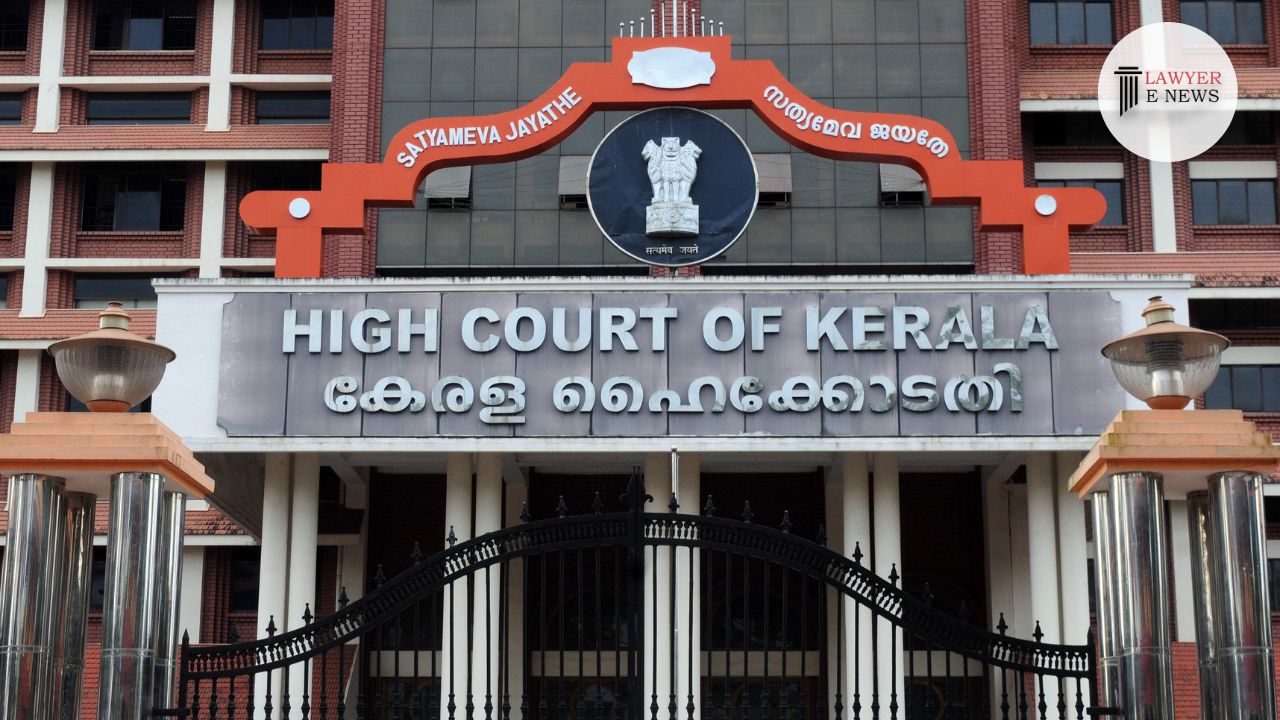
In a significant judgment, the High Court of Kerala at Ernakulam, presided by Justice Dinesh Kumar Singh, dismissed the writ petitions filed by Asianet Digital Network Pvt Ltd, challenging the show cause notices issued by the Directorate General of GST Intelligence (DGGI) for alleged tax liabilities under the CGST and Service Tax laws.

The core issue addressed was the jurisdiction and authority of the officers of the Directorate General of GST Intelligence to issue show cause notices under the Central Goods and Services Tax Act, 2017, and the Finance Act, 1994. The petitioner argued that these notices were issued without jurisdiction, as they did not originate from the Central Excise Officer under whose jurisdiction the petitioner fell.

The petitioner, a Multi System Operator (MSO) registered for service tax, contested the calculation of tax liabilities on amounts collected from subscribers through local cable operators (LCOs). It was alleged by the DGGI that Asianet had underreported its taxable revenue by not including the amounts retained by LCOs.

Empowerment of DGGI Officers: The court observed that officers of the Directorate General of GST Intelligence are duly empowered under various notifications and circulars to issue such notices, thus rejecting the petitioner’s contention on jurisdictional grounds. [Paras 28-28.8]

Writ against Show Cause Notices: It was held that writ jurisdiction should not interfere with show cause notices unless they are devoid of jurisdiction, violate the law, or challenge the vires of an Act. The court found the notices to be legally sound. [Paras 29-31]

Rejection of Limitation Argument: The petitioner’s argument that the notices were barred by limitation was dismissed, with the court noting that this is a matter to be determined post-assessment. [Para 31]

On Audit and Tax Liability: The court considered the petitioner’s past audits and observed that the determination of tax liability, especially post-implementation of Digital Addressable Systems, was a complex issue that warranted detailed assessment. [Paras 27, 31]

Decision The court dismissed the writ petitions, emphasizing that the petitioner should pursue remedies under the Finance Act and allow the administrative process to assess the alleged discrepancies.

Date of Decision: 8th April 2024

Asianet Digital Network Pvt Ltd v. Union of India and Others

 

Latest Legal News