-
by sayum
04 October 2026 12:06 PM







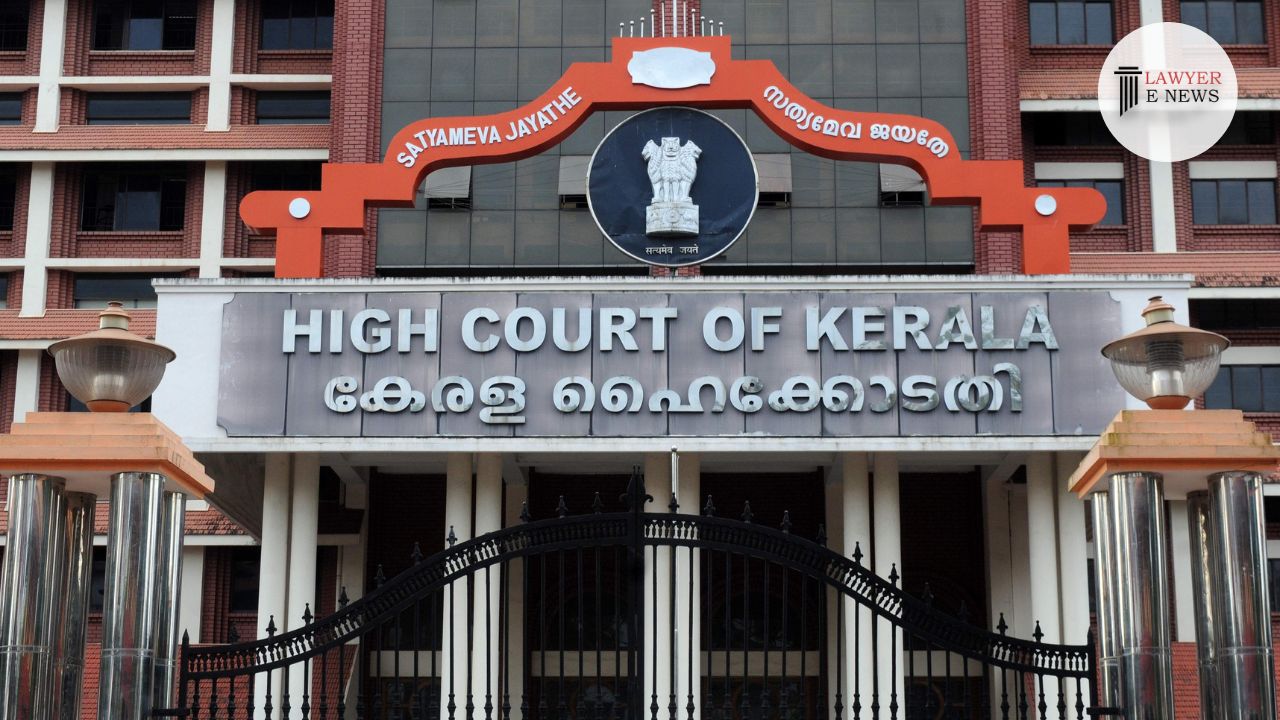
In a recent judgment, the Kerala High Court has dismissed a second appeal in a specific performance case, emphasizing the importance of substantial questions of law for second appeals. The court ruled that no substantial question of law arose in the case, leading to the dismissal of the appeal.
The dispute revolved around the execution of an agreement for the sale of property. The plaintiff alleged the execution and renewal of agreements between the parties, while the defendant denied execution and asserted trespass and unlawful possession by the plaintiff. Both the trial court and the appellate court rejected the plaintiff’s claims, disbelieving the execution of the agreements and considering the plaintiff as a trespasser.
The court observed, „Specific Performance – Execution of Agreement for Sale – Plaintiff alleges execution and renewal of agreements between parties for sale of property – Defendant denies execution and contends trespass and unlawful possession by the plaintiff – Trial Court and Appellate Court reject plaintiff’s claims, disbelieving execution of agreements – Courts below held plaintiff as trespasser, dismissing the suit and granting decree for recovery of possession to defendant.“
The judgment highlighted the contradictory testimonies presented during the case, particularly regarding the place of execution of the agreement. The court found that the evidence of the plaintiff and a witness contradicted each other and that other attestors to the agreements were not examined. This led the courts below to conclude that the evidence was insufficient to prove the execution of the agreements.
The court further noted, „Evidence – Contradictory Testimonies – Evidence of plaintiff and witness regarding place of execution of agreement found contradictory – Failure to examine other attestors to agreements – Courts below find evidence insufficient to prove execution of agreements.“
Additionally, the plaintiff’s failure to prove the execution of certain agreements, Ext.A1 and Ext.A1(a), was cited as a reason for the dismissal of the claim. The courts below held that these agreements were not proven, and the claim based on unregistered agreements was dismissed, citing Section 17 of the Registration Act.
The judgment addressed this issue, stating, „Documentary Proof – Execution of Agreements – Courts below find plaintiff failed to prove execution of Ext.A1 and Ext.A1(a) agreements due to insufficient evidence and contradictory testimonies – Dismisses claim based on unregistered agreements citing Section 17 of the Registration Act.“
Lastly, the court addressed the question of limitation, pointing out that the finding of the appellate court on limitation was rebutted by the renewal agreement, Ext.A1(a) dated 05.09.2003. The courts below had erred in holding the claim based on Ext.A1 or Ext.A1(a) agreements as barred by limitation.
The judgment concluded by emphasizing the importance of substantial questions of law in second appeals. It noted that no substantial question of law had been formulated in the case, leading to the dismissal of the second appeal.
The court stated, „Second Appeal – Substantial Question of Law – High Court finds no substantial question of law arises for admitting Second Appeal – Emphasizes mandatory formulation of substantial question of law under Section 100 read with Order XLII Rule 2 of the C.P.C. for admitting and maintaining a second appeal – Dismisses appeal finding it meritless without admitting.“
This judgment serves as a reminder of the significance of substantial questions of law in second appeals and the need for a clear and well-established legal basis for such appeals to be admitted and maintained.
Date of Decision: 31 October 2023
BABU M.P VS THANKAMMA