Victim Has Locus To Request Court To Summon Witnesses Under Section 311 CrPC In State Prosecution: Allahabad High Court Order 2 Rule 2 CPC Cannot Be Ground to Reject a Plaint: Supreme Court Draws Crucial Distinction Between Bar to Sue and Bar by Law No Right to Lawyer Before Advisory Board in Preventive Detention — Unless Government Appears Through Legal Practitioner: Supreme Court Wife's Dowry Statement Cannot Be Used to Prosecute Her for 'Giving' Dowry: Supreme Court Upholds Section 7(3) Shield Husband's Loan Repayments Cannot Reduce Wife's Maintenance: Supreme Court Raises Amount to ₹25,000 From ₹15,000 Prisoners Don't Surrender Their Rights at the Prison Gate: Supreme Court Issues Binding SOP to End Delays in Legal Aid Appeals A Judgment Must Be a Self-Contained Document Even When Defendant Never Appears: Supreme Court on Ex Parte Decrees Court Cannot Dismiss Ex Parte Suit on Unpleaded, Unframed Issue: Supreme Court Sets Aside Specific Performance Decree Denied on Title Erroneous High Court Observations Cannot Be Used to Stake Property Claims: Supreme Court Steps In to Prevent Misuse of Judicial Observations No Criminal Proceedings Would Have Been Initiated Had Financial Settlement Succeeded: Supreme Court Grants Anticipatory Bail In Rape Case Directors Cannot Escape Pollution Law Prosecution by Claiming Ignorance: Allahabad High Court Refuses to Quash Summons Against Company Directors Order 7 Rule 11 CPC | Court Cannot Peek Into Defence While Rejecting Plaint: Delhi High Court Death 3½ Months After Accident Doesn't Break Causal Link If Doctors Testify Injuries Could Cause Death: Andhra Pradesh High Court LLB Intern Posed as Supreme Court Advocate, Used Fake Bar Council Card and Police Station Seals to Defraud Victims of Rs. 80 Lakhs: Gujarat High Court Rejects Anticipatory Bail Husband Who Travels to Wife's City on Leave, Cohabits With Her, Then Claims She 'Never Lived With Him' Cannot Prove Cruelty: Jharkhand High Court Liquor Licence Is a State Privilege, Not a Citizen's Right — No Vested Right of Renewal Survives a Change in Rules: Karnataka High Court Sets Aside Stay on E-Auction Policy Court Holiday Cannot Save Prosecution From Default Bail: MP High Court No Search At Your Premises, No Incriminating Document, No Case: Rajasthan HC Quashes Rs. 18 Crore Tax Assessment Under Section 153C Limitation Act | Litigant Cannot Be Punished For Court's Own Docket Load: J&K High Court

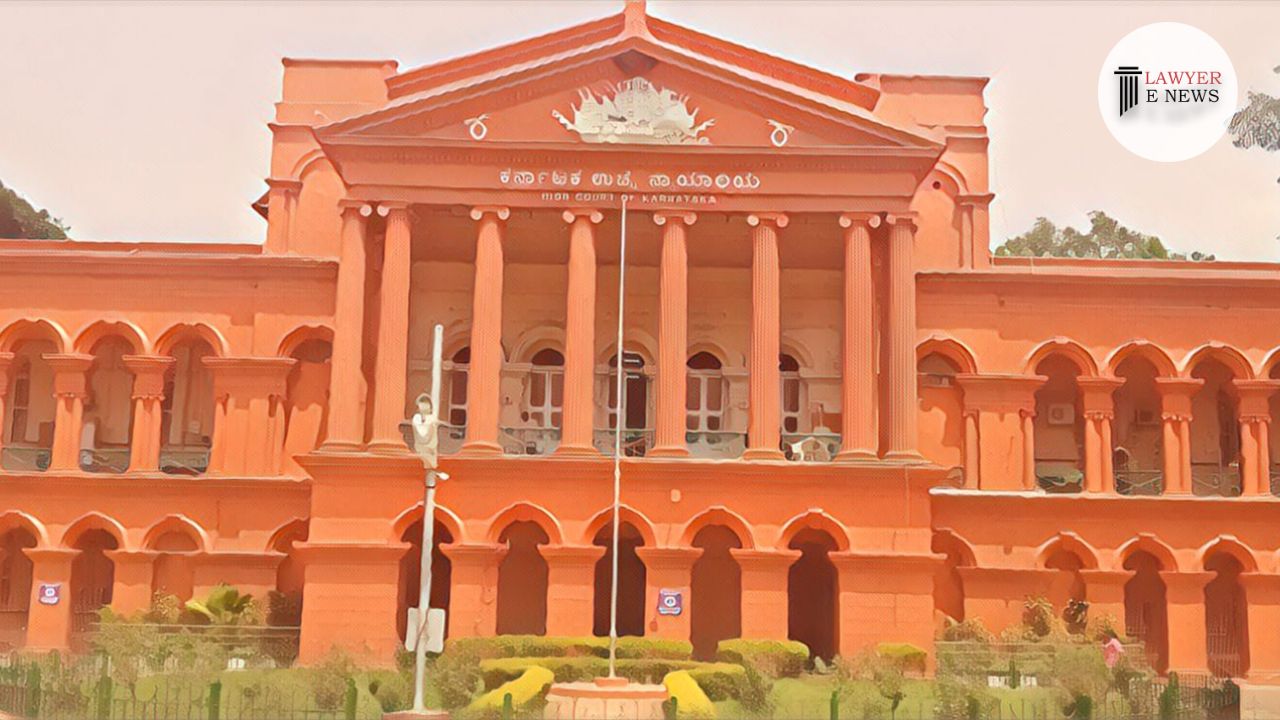
No Specific Allegations for Harassment or Dowry: Karnataka High Court  Quashesd Proceedings Against Family Members U/S 498A IPC

07 May 2024 8:19 AM

By: Admin


In a significant ruling, the Karnataka High Court today quashed criminal proceedings against family members in a matrimonial dispute case, stating there were no specific allegations against them for harassment or dowry demands.

The judgment focused on the quashing of criminal proceedings against accused Nos. 2 to 9 under Sections 498A, 107, 114, 120B, 406, 425, 323, 504, 506, 509, 34 of IPC, citing a lack of specific allegations against them for physical or mental harassment or dowry demands.

The case originated from a complaint by Shilpa Sanjeev against her husband Sanjeev Dhiman (accused No.1) and his family members, including accused Nos. 2 to 9. The allegations included dowry harassment, adultery, and property issues. The primary issue revolved around the relationship between accused No.1 and the complainant, with ancillary allegations against other family members.

The High Court, presided over by Justice K. Natarajan, noted that the allegations against accused Nos. 2 to 8 were vague and lacked specificity regarding their involvement in harassment or dowry demands. The Court observed, “The entire grievance is against accused No.1-husband,” and that there was no material evidence against other petitioners to proceed with the trial.

In the case of accused No.9, Dr. Seema Bhutani, the court found that the allegations pertained mainly to adultery. However, following the decriminalization of Section 497 IPC by the Supreme Court in Joseph Shine Vs. Union of India, charges under Section 498A IPC and related abetment charges were deemed unsustainable.

The Court further remarked on the tendency to misuse provisions like Section 498A IPC in matrimonial disputes, cautioning against implicating family members without a prima facie case.

The Karnataka High Court quashed the proceedings against petitioners accused Nos. 2 to 9, finding no material evidence against them for committing the offenses or abetment under Section 498A IPC.

 Date of Decision: 8th February 2024.

Dr. Seema Bhutani and others Vs. State

Latest Legal News