-
by sayum
24 August 2026 3:22 PM







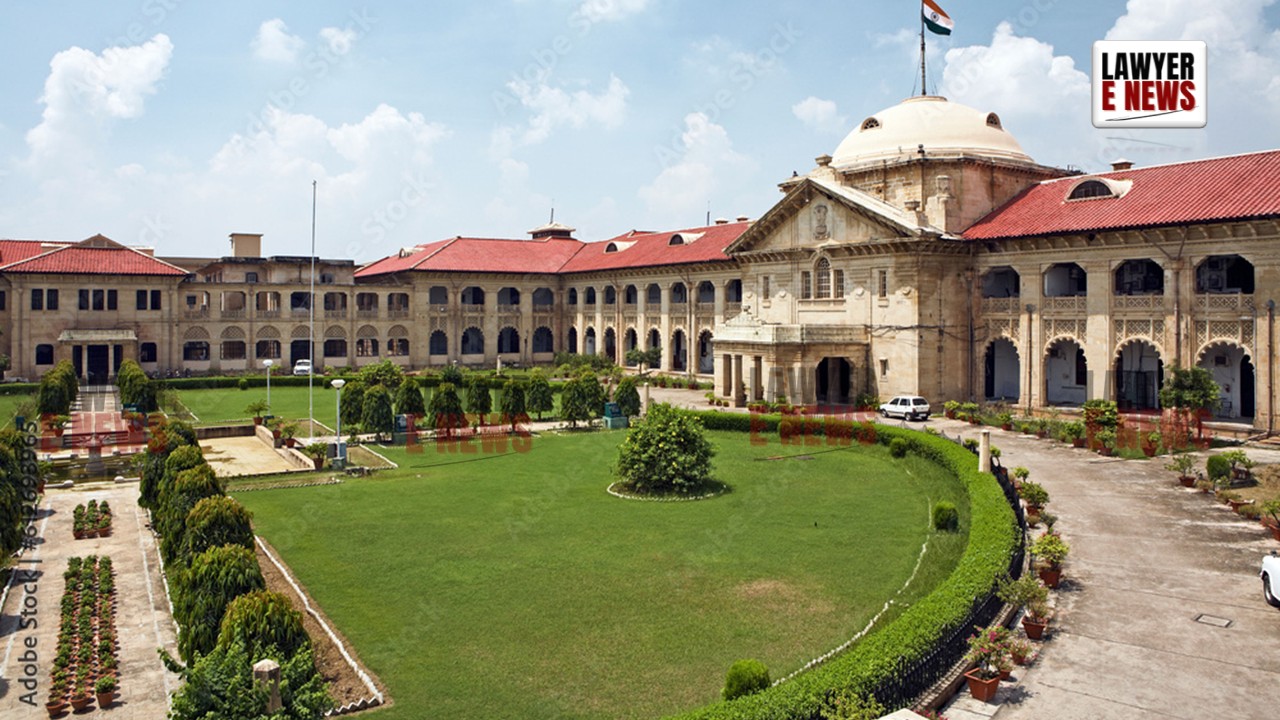
“Exceptions under Section 499 IPC are a matter of defence, not a ground for quashing complaint under Section 482 CrPC” – In a case that pits journalistic freedom against individual reputation, the Allahabad High Court at Lucknow, in a significant judgment dated 29 January 2026, has refused to quash the summoning order against journalists of News18 Punjab in a criminal defamation complaint filed by a senior IPS officer of the Uttar Pradesh cadre.
Dismissing the application filed under Section 482 CrPC in Jyoti Kamal and Others v. State of U.P. and Another, Hon’ble Justice Brij Raj Singh held:
“At the stage of Section 482 CrPC, this Court cannot conduct a mini-trial or weigh the evidence. The matter requires adjudication in trial.”
“Applicants must face trial; Exceptions to Defamation are Defences, Not Grounds for Pre-trial Exoneration”: Court Reiterates Limitation of Section 482 CrPC
The case arises from a news telecast on 20.09.2017 by News18 Punjab, which allegedly implicated Amitabh Yash, then IG of STF, Uttar Pradesh, in facilitating the release of a notorious criminal—Gurpreet Singh alias Gopi Ghanshyampuria, the mastermind of the Nabha Jailbreak—in return for illicit money.
The applicants—Jyoti Kamal (Editor), Shantosh Sharma (Reporter), and Gaurav Shukla (Anchor)—challenged the summoning order dated 12.12.2018 issued by the Additional Chief Judicial Magistrate, Lucknow, alleging that the news telecast was based on reports from other national dailies and was a bona fide act of fair reporting.
However, the Court found no reason to interfere at the pre-trial stage, holding:
“The defence that the telecast falls under exceptions to Section 499 IPC is not legally tenable at this stage. These are questions of fact to be examined at trial.”
Court Declines to Interfere Despite Claim of ‘Fair Reporting’
While the applicants argued that they merely broadcast an interview between two individuals, without personally making any defamatory remarks, and that the matter had already been reported in newspapers like The Tribune and Dainik Jagran, the Court was unmoved.
Justice Brij Raj Singh observed: “The Magistrate, after considering the complainant’s statement under Section 200 CrPC and the testimony of two witnesses under Section 202 CrPC, found a prima facie case and issued summons. There is no perversity in the order.”
The Court emphasized that it is not for the High Court at this stage to test the veracity of the claims or evaluate the defence, relying on the settled principle from the Supreme Court in Neeharika Infrastructure v. State of Maharashtra, that:
“At the stage of considering quashing, courts must proceed on the allegations in the complaint, without assessing their truthfulness or conducting a roving inquiry.”
Supreme Court’s Order in Related SLP Forms Basis for Rejection
Significantly, the judgment draws strength from a recent Supreme Court decision in SLP (Crl.) No. 14790 of 2023 (Amitabh Yash v. Manoj Rajan Tripathi & Ors.), where the Apex Court set aside a High Court order quashing similar proceedings against another news channel.
Justice Brij Raj Singh noted: “This Court cannot ignore the dictum laid down by the Supreme Court in the related matter. The Apex Court has clearly stated that when the Inquiry Report has been considered by the Magistrate and summons are issued after application of mind, interference under Section 482 CrPC is not warranted.”
The Supreme Court in that case held: “In a case of this nature, the discretionary relief by invoking Section 482 CrPC ought not to have been granted… The Inquiry Report was taken note of by the Learned Magistrate, and there was a factual error committed by the High Court in interfering.”
The High Court observed that since the present case emanates from the same telecast, and the Magistrate had similarly considered the Inquiry Report and relevant material, the summons must stand.
Imputations Like “STF IG Amitabh Yash Takes Money to Release Terrorists” Are Prima Facie Defamatory
The Court took note of the actual broadcast content attributed to the applicants, where the anchor was heard saying: “STF के IG अमिताभ यश पैसा लेकर पंजाब के दहशतगर्दों को छोड़ देता है।”
(“The STF IG Amitabh Yash takes money to release terrorists from Punjab.”)
The Court found that such direct imputations against a senior IPS officer with an unblemished record and gallantry medals, if untrue, would certainly lower his reputation, and are sufficient to constitute a prima facie case of defamation under Section 499 IPC.
Media Not Above Law; Trial Must Decide Bona Fides
While acknowledging the important role of the media, the Court made it clear that freedom of the press does not extend to making unverified, damaging allegations without accountability.
“Even journalists are not immune from the operation of the criminal law if they publish or broadcast defamatory content. The right to fair reporting does not include the right to defame without consequence.”
Allegations Require Full Trial; No Case for Quashing
Relying on binding precedents including Aryan Singh (2023 SCC OnLine SC 379), Sampelly Satyanarayana Rao (2016) 10 SCC 458, and Neeharika Infrastructure (2021 SCC OnLine SC 315), the High Court concluded:
“The application is accordingly rejected. No order as to costs.”
This judgment reinforces the principle that journalistic acts do not enjoy blanket immunity, and when serious allegations are made—even under the guise of reporting—they must withstand the scrutiny of a trial.
Date of Decision: 29 January 2026