
-
by sayum
26 August 2026 1:49 PM







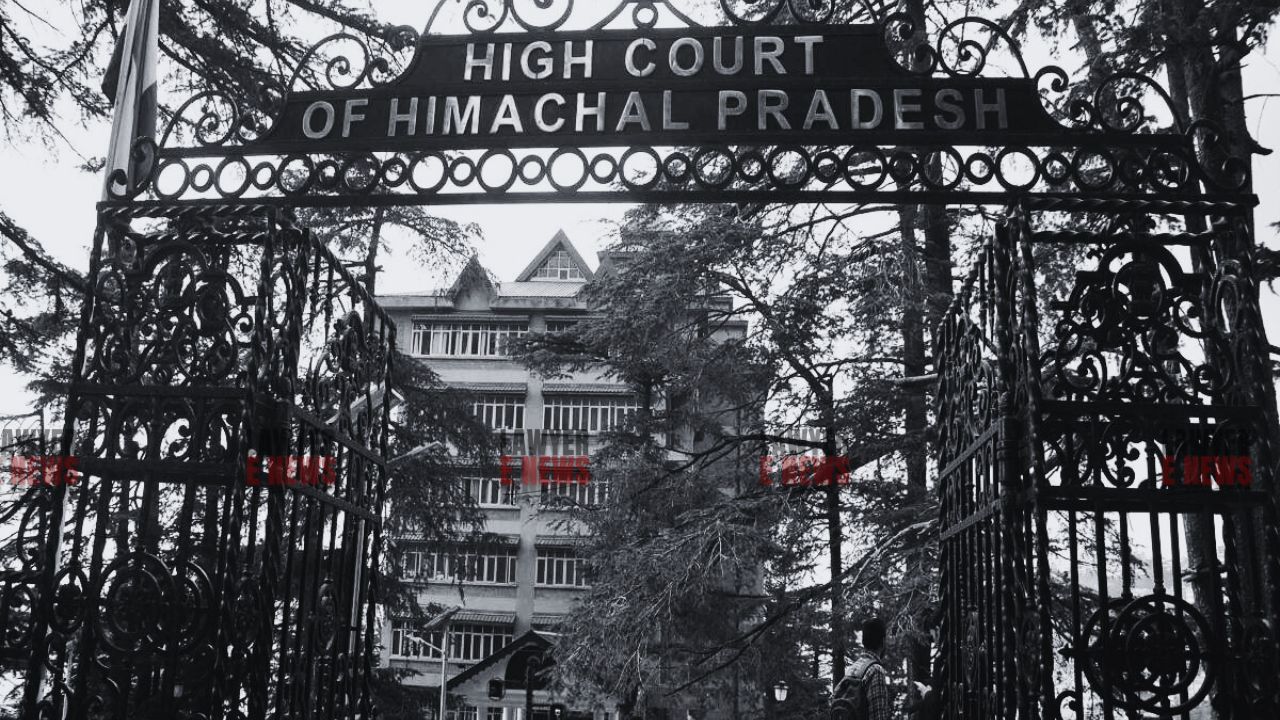
High Court of Himachal Pradesh in Sunny Briak v. State of Himachal Pradesh granted bail to Sunny Briak, accused under Sections 21 and 29 of the NDPS Act. The court held that since the quantity of contraband recovered was intermediate rather than commercial, the rigorous conditions of Section 37 of the NDPS Act were not applicable, and bail could be granted based on parity.
Sunny Briak was charged under Sections 21 and 29 of the Narcotic Drugs and Psychotropic Substances Act (NDPS Act) following the recovery of 46.23 grams of chitta (heroin) from his rented residence. The prosecution alleged that Briak and his co-accused brought the substance from Chandigarh and stored it at their rented accommodation. Following his arrest on February 13, 2024, Briak remained in custody pending investigation.
The applicability of Section 37 of the NDPS Act, which imposes stricter conditions for granting bail in cases involving commercial quantities.
Whether Briak’s prior acquittal in a similar NDPS case, coupled with his co-accused's release on bail, entitled him to the relief of bail on parity grounds.
Quantity of Contraband: The court emphasized that since the contraband recovered was of an intermediate quantity (46.23 grams), Section 37’s conditions for bail did not apply. Section 37 applies only to cases involving commercial quantities, wherein bail is granted under strict conditions such as satisfaction that the accused is not guilty and is unlikely to commit another offense.
Presumption of Innocence: Briak’s acquittal in a previous case and the lack of a conviction in another pending case supported his claim of innocence. The court noted that mere registration of cases does not negate the presumption of innocence.
Parity in Bail: Citing parity with his co-accused, Shubham Dogra, who was released on bail by a competent court on March 6, 2024, the court found no reasonable ground to deny Briak the same relief.
Non-necessity of Custodial Detention: The court underscored that further detention of Briak was unnecessary since the investigation was complete, the trial was not likely to conclude soon, and no additional recovery or custodial interrogation was required.
Justice Virender Singh granted bail on the conditions that Briak must attend all court hearings, abstain from tampering with evidence, avoid intimidating witnesses, and remain within India unless permitted otherwise by the court. The court allowed the state to request cancellation of bail if Briak violated these conditions.
Date of Decision: 04/11/2024





