-
by sayum
06 October 2026 2:36 PM







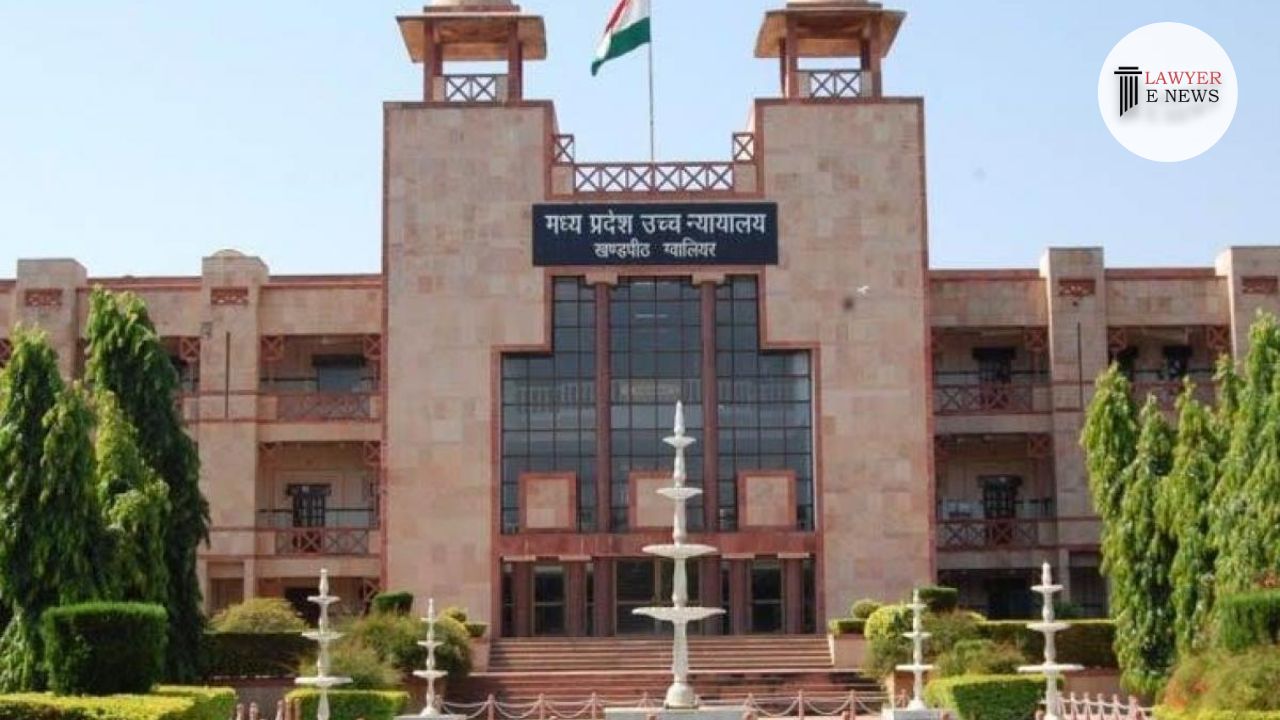
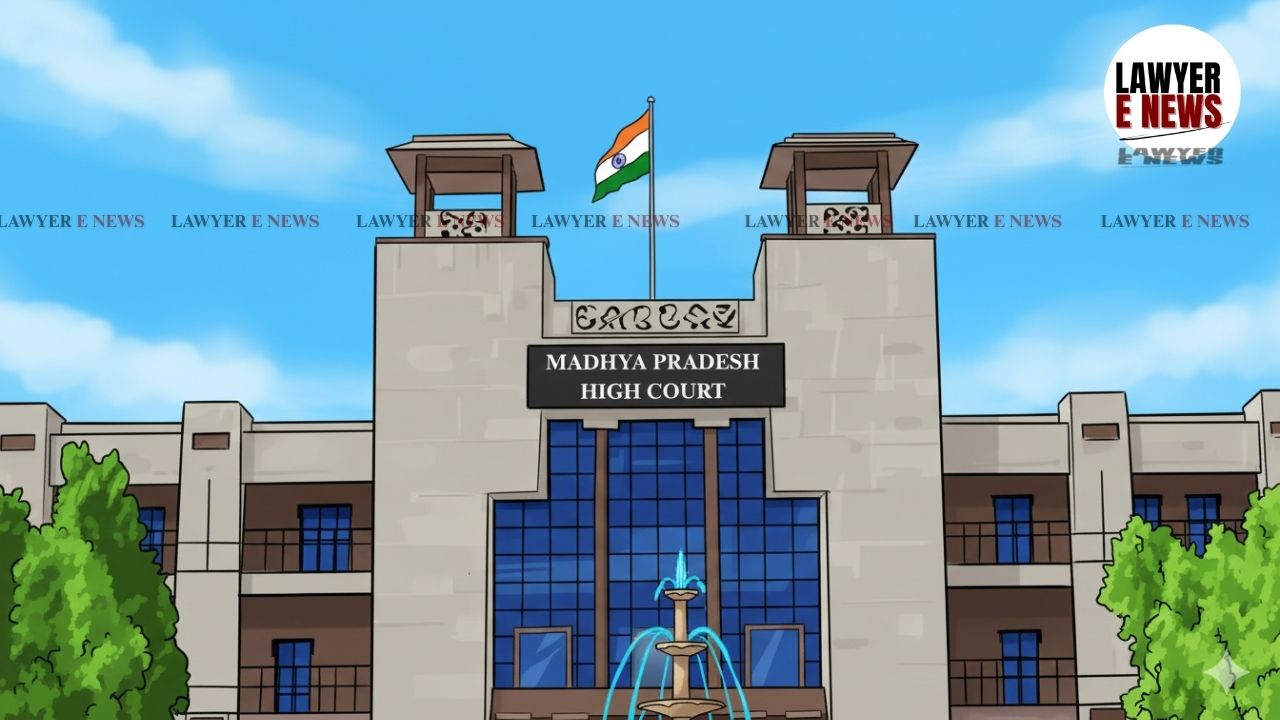
In a significant legal development, the Madhya Pradesh High Court, comprising Hon'ble Shri Justice Sushrut Arvind Dharmadhikari and Hon'ble Shri Justice Pranay Verma, has pronounced a groundbreaking judgment granting divorce based on the irretrievable breakdown of a marriage. The decision, delivered on October 3, 2023, highlights the profound implications of long-term separation and the inability to reconcile in a matrimonial relationship.
The case, First Appeal No. 1699 of 2019, involved a husband, Chetan Sahgal, who sought the dissolution of his marriage to Richa Sahgal. The appellant, Chetan Sahgal, had cited both cruelty and desertion as grounds for divorce under Section 13 of the Hindu Marriage Act, 1955. The couple had married in 2009 and had been living separately for nearly 14 years.
The court observed that the marriage had been marked by extensive legal battles, with Richa Sahgal initiating multiple cases against her husband and his family. This prolonged litigation, along with the extended separation, led the court to conclude that the marriage had irretrievably broken down.
The judgment relied on various legal precedents to establish the criteria for cruelty and desertion in the context of divorce cases. It noted that cruelty could be both physical and mental, and it need not involve deliberate or willful ill-treatment. Mental cruelty, including verbal abuses and insults leading to mental distress, was considered a valid ground for divorce.
Additionally, the court underscored the significance of long-term separation as a factor contributing to the irretrievable breakdown of marriage. It emphasized that reconciliation became increasingly difficult when parties had been living apart for an extended period.
In a crucial part of the judgment, the court cited the Supreme Court's view that repeated filing of criminal cases by one spouse against the other in a matrimonial dispute amounted to cruelty. This decision reaffirms the importance of considering the overall conduct and behavior of the parties in matrimonial relationships.
The judges' verdict highlighted that dissolution of the marriage was in the best interest of both parties, as there was no chance of reconciliation. The judgment stated, "Continuation of such a marriage would only lead to infliction of cruelty by either of the parties to each other."
This verdict signifies a significant legal development in recognizing the concept of irretrievable breakdown of marriage as a valid ground for divorce, especially in cases where the spouses have been living separately for an extended period and multiple legal disputes have arisen.
The judgment has been widely praised by legal experts, emphasizing the evolving understanding of marriage and divorce within the Indian legal framework.
As the legal landscape continues to evolve, this decision provides valuable guidance for future divorce cases, underlining the importance of considering the overall circumstances and behavior of the parties involved.
Date of Decision: 03 October 2023
CHETAN SAHGAL vs SMT. RICHA SAHGARL SAHGAL