CBI Can’t Prosecute When Bank Suffers No Loss: Andhra Pradesh High Court Discharges Bhimavaram Hospitals Directors in ₹1.5 Crore SBI Case Section 256 CrPC Cannot Be A Shield For An Accused Who Never Faced Trial: Allahabad High Court Restores 8 Cheque Bounce Complaints Minimum Wages Cannot Be Ignored While Determining Just Compensation: Andhra Pradesh High Court Re-Fixes Income of Deceased Mason, Enhances Interest to 7.5% 34 IPC | Common Intention Is Inferred From Manner Of Attack, Weapons Carried And Concerted Conduct: Allahabad High Court Last Date of Section 4 Publication Is Crucial—Error in Date Cannot Depress Market Value: Bombay High Court Enhances Compensation in Beed Land Acquisition Appeals Order 26 Rule 10-A CPC | Rarest of Rare: When a Mother Denies Her Own Child: Rajasthan High Court Orders DNA Test to Decide Maternity Acquittal Is Not a Passport Back to Uniform: Punjab & Haryana High Court Upholds Dismissal of Constable in NDPS Case Despite Trial Court Verdict Limitation Under Section 468 Cr.P.C. Cannot Be Ignored — But Section 473 Keeps the Door Open in the Interest of Justice: P&H HC Non-Stamping Renders A Document Inadmissible, Not Void – Defect Is Curable Once Duty Is Paid: Punjab & Haryana High Court Upholds Specific Performance MP High Court Upholds Ladli Behna Yojana Criteria; Rules Registration Deadlines and Age Limits Fall Under Executive Domain Criminal Courts Are Not Recovery Agents: Orissa High Court Grants Bail in ₹3.5 Crore Land Fraud Cases Citing Article 21 and Terminal Illness Employee Cannot Switch Cadre At His Sweet Will After Accepting Promotion: J&K High Court Rejects Claim For Retrospective Assistant Registrar Appointment Anticipatory Bail Cannot Expire With Charge-Sheet: Supreme Court Reiterates Liberty Is Not Bound by Procedural Milestones Order II Rule 2 Cannot Eclipse Amendment Power Under Order VI Rule 17: MP High Court Refuses to Stall Will-Based Title Suit Grounds of Arrest Must Be Personal, Not Formal – But Detailed Allegations Suffice: Kerala High Court Upholds Arrest in Sabarimala Gold Misappropriation Case Grounds of Arrest Are Not a Ritual – They Are a Constitutional Mandate Under Article 22(1): Allahabad High Court Sets Aside Arrest for Non-Supply of Written Grounds Sect. 25 NDPS | Mere Ownership Cannot Fasten NDPS Liability – ‘Knowingly Permits’ Must Be Proved Beyond Reasonable Doubt: MP High Court Section 308 CrPC | Revocation of Pardon Is Not Automatic on Prosecutor’s Certificate: Karnataka High Court

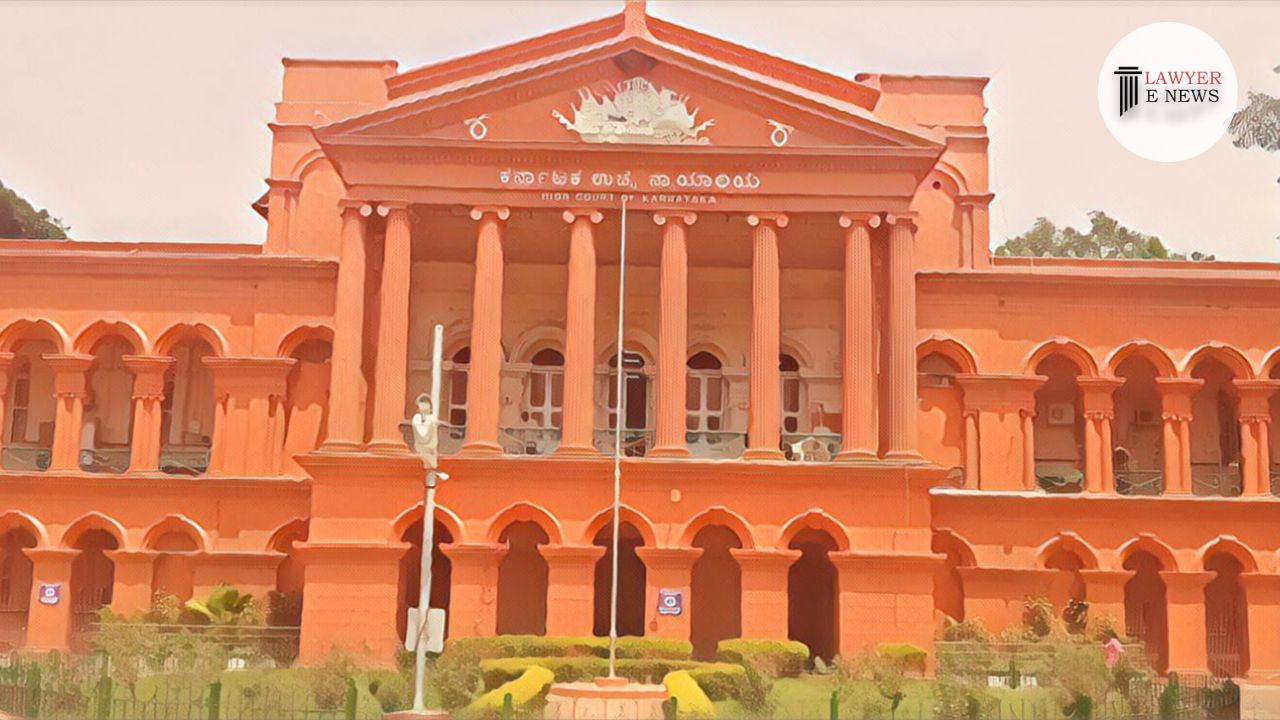
Merely Participating in a Wedding Ceremony Cannot Attract Section 494 IPC Liability: Karnataka High Court Quashes Proceedings Against Family Members in Bigamy Case

07 May 2024 8:19 AM

By: Admin


In a significant ruling, the High Court of Karnataka has quashed proceedings against the family members of an individual accused of bigamy under Sections 420 and 494 of the Indian Penal Code (IPC).

The judgement focused on the application of Section 494 IPC, which deals with marrying again during the lifetime of husband or wife. The court emphasized that this section is applicable only to the individuals who enter into a bigamous marriage and not to those who merely participate in the wedding ceremony.

The case, Criminal Petition No. 7517 of 2017, involved the petitioners (family members of the accused) who were implicated in the second marriage ceremony of the accused. The respondent, Smt. Bharathi, alleged that the petitioners were aware of the ongoing first marriage and still participated in the second marriage ceremony, thereby committing an offence under Sections 420 and 494 IPC.

Justice Suraj Govindaraj, in his detailed assessment, clarified that Section 494 IPC pertains solely to the marrying individuals and does not extend to family members who attend the ceremony. The judge observed, "The said provision does not even contemplate the person to whom the husband or wife has married to be prosecuted under Section 494 of IPC. Let alone the father, mother, and sister who had participated in or attended the wedding." The absence of allegations indicating the petitioners' awareness or intention to facilitate an offence under Section 494 IPC was a crucial point in the judgement.

The court allowed the petition and quashed the proceedings in C.C.No.1115/2016 against the petitioners, who were accused Nos. 4 to 6 in the case. The judge ruled that in the absence of substantial grounds for their implication under Section 494 IPC, the proceedings against them could not be sustained.

Date of Decision: 13 March 2024.

Thimmappa and Others vs Smt. Bharathi

Latest Legal News