-
by sayum
25 August 2026 11:12 PM







High Court reverses appellate court’s decision, restoring original maintenance order for wife and child from the date of application.
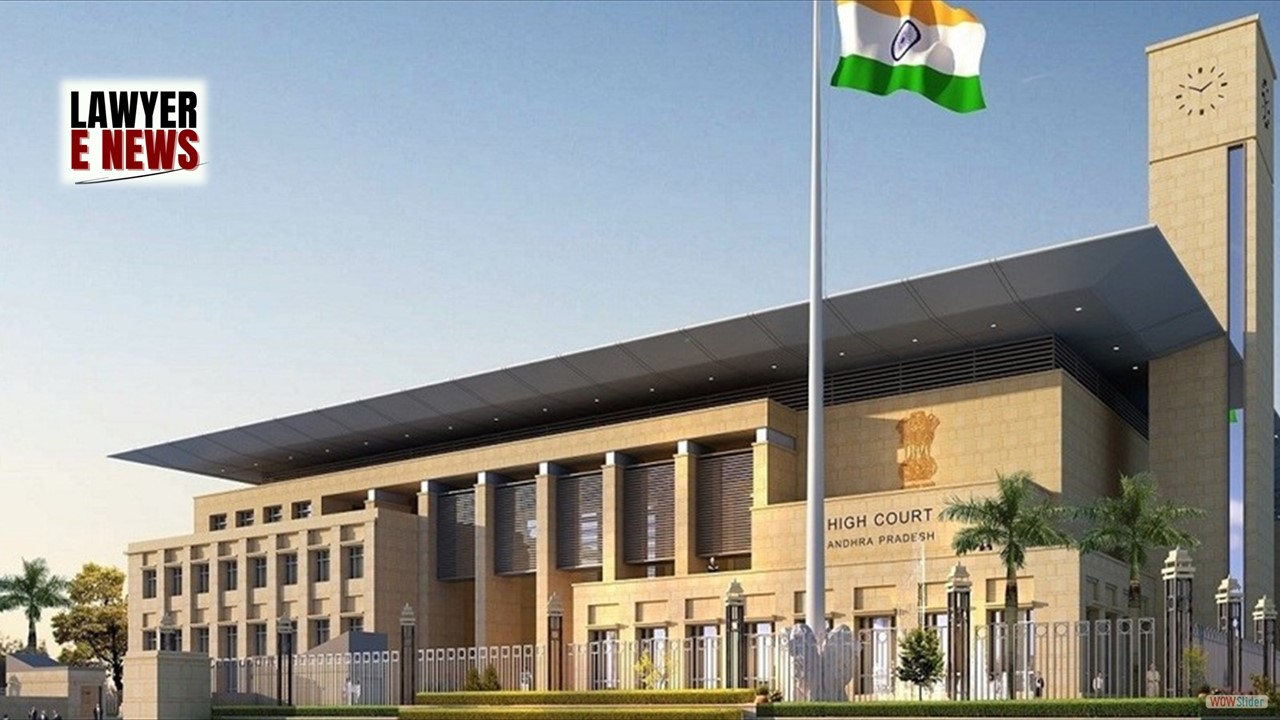
In a pivotal judgment, the Andhra Pradesh High Court has reinstated an interim maintenance order in favor of a married woman and her minor child, overturning the appellate court’s modification. The ruling, delivered by Justice Dr. V.R.K. Krupa Sagar, emphasizes the importance of adhering to legal precedents ensuring maintenance payments from the date of application to uphold justice and fair play.
The petitioners, Palaparthi Shebha and her minor child, filed a Domestic Violence Case (DVC.No.22 of 2018) seeking relief under various sections of the Protection of Women from Domestic Violence Act, 2005, against the husband/father and six others. During the proceedings, an interim maintenance order was issued by the IV Additional Chief Metropolitan Magistrate, Visakhapatnam, directing the husband to pay Rs. 20,000 and Rs. 10,000 per month to the wife and child, respectively, from the date of the application. This order was challenged by the husband in the appellate court, which modified the start date of maintenance payments to 01.04.2022, citing the impact of the COVID-19 pandemic on private sector salaries.
The High Court noted that the husband is employed with the Bank of America, earning a monthly salary of Rs. 93,000, as evidenced by the affidavit of assets and liabilities. This financial capacity was affirmed by both the trial and appellate courts.
The appellate court’s modification was based on assumptions about the husband’s financial status during the pandemic, despite the lack of any record or plea indicating a loss of salary. The High Court found this reliance on unsubstantiated facts to be improper, warranting correction under Sections 397 and 401 of the CrPC.
The High Court highlighted Section 125(2) of the CrPC, which allows discretion in the start date for maintenance payments. However, it emphasized the Supreme Court’s guidance in Rajnesh v. Neha, advocating for maintenance from the date of application to address delays in interim maintenance decisions and ensure justice for the claimants.
Justice Dr. V.R.K. Krupa Sagar stated, “Awarding maintenance from the date of application was in the interest of justice and fair play. The revision petitioners rightly sought interference of this court to rectify the error committed by the appellate court.”
Conclusion: The High Court’s decision to restore the trial court’s order and direct the husband to pay arrear maintenance from the application date reinforces the legal obligation to support a spouse and minor child promptly. This ruling aligns with the Supreme Court’s directive to ensure timely and fair maintenance, potentially influencing future maintenance cases across the judiciary.
Date of Decision: 16th July 2024
xxxx and Others vs. The State Of Andhra Pradesh and Others