-
by sayum
04 November 2026 3:55 PM







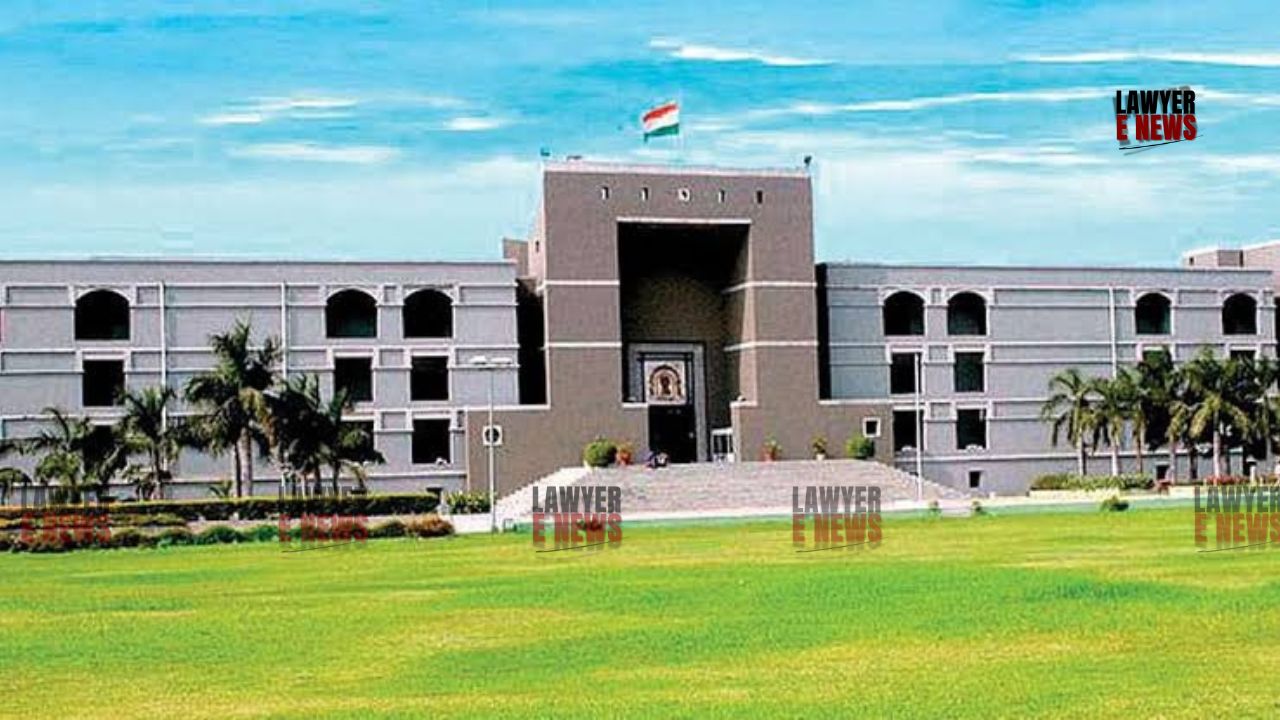
"Therefore, even a person holding a licence to drive a light motor vehicle can drive a Light Goods Vehicle that does not exceed 7,500 kg." Gujarat High Court has reiterated that an individual possessing a valid driving licence for a Light Motor Vehicle (LMV) under Section 10(2)(d) of the Motor Vehicles Act, 1988 is legally authorized to drive a Light Goods Vehicle having a gross vehicle weight not exceeding 7,500 kilograms, even if the driver lacks a valid transport vehicle endorsement.
Justice L. S. Pirzada dismissed an appeal preferred by an insurance company seeking exoneration from liability, emphasizing that the absence of a renewed transport endorsement does not constitute a fundamental policy breach when the driver possesses an effective LMV licence.
The dispute arose from an award passed by the Motor Accident Claims Tribunal, Mirzapur, Ahmedabad, which awarded Rs. 9,48,000 to the legal heirs of a deceased pillion rider who succumbed to fatal injuries after a rashly driven milk van collided with a motorcycle. The appellant insurer assailed the award under Section 173 of the Motor Vehicles Act, contending that it stood absolved of all indemnification liabilities because the driver's endorsement to operate a transport vehicle had lapsed prior to the date of the accident and was not renewed until years later.
Whether an insurance company can escape third-party liability on the ground that the driver of an offending Light Goods Vehicle possessed a valid Light Motor Vehicle non-transport licence but lacked a subsisting transport endorsement on the date of the accident?
Driver held valid non-transport licence covering the date of accident
The High Court scrutinized the evidentiary record and observed that the driver of the offending truck held a non-transport driving licence valid from February 10, 2005 to April 7, 2029. While the specific endorsement permitting him to drive a transport vehicle had expired on April 7, 2012, and was only renewed in May 2015, the accident had occurred during the intervening period on May 29, 2012.
Offending vehicle fell under statutory category of Light Goods Vehicle
Upon examining the Registration Certificate of the offending vehicle, the bench observed that the milk van was classified as a Light Goods Vehicle with a gross vehicle weight below the statutory threshold of 7,500 kilograms.
The bench stressed that this classification placed the vehicle squarely within the statutory definition of a Light Motor Vehicle under the Motor Vehicles Act, rendering separate licensing endorsements redundant for vehicles falling beneath the prescribed weight limit.
Apex Court jurisprudence confirms overlap between LMV and transport vehicle classes
Relying on the landmark Supreme Court ruling in Mukund Dewangan v. Oriental Insurance Company Limited and its affirmation by a larger Bench in Bajaj Allianz General Insurance Company Limited v. Rambha Devi, the High Court reiterated that the statutory categories of LMV and transport vehicles are not mutually exclusive.
The court noted that the Constitution Bench in Rambha Devi clearly concluded that a driver holding an LMV licence under Section 10(2)(d) is legally competent to operate a transport vehicle under 7,500 kg gross weight without requiring additional authorization under Section 10(2)(e).
Absence of renewed transport endorsement does not invalidate insurance coverage
Rejecting the insurer's submission that the driver had breached policy terms by driving without an active transport endorsement, the High Court held that the driver held a valid and effective driving licence for the category of vehicle involved.
The bench held that because the gross vehicle weight of the offending Light Goods Vehicle did not exceed 7,500 kilograms, the non-transport LMV licence held by the driver was sufficient in law to fasten liability on the insurer jointly and severally with the vehicle owner and driver.
Finding no error or illegality in the award of the Motor Accident Claims Tribunal, the High Court dismissed the First Appeal filed by the insurance company and affirmed the compensation awarded to the original claimants.
Date of Decision: October 29, 2026