
-
by sayum
26 August 2026 1:49 PM







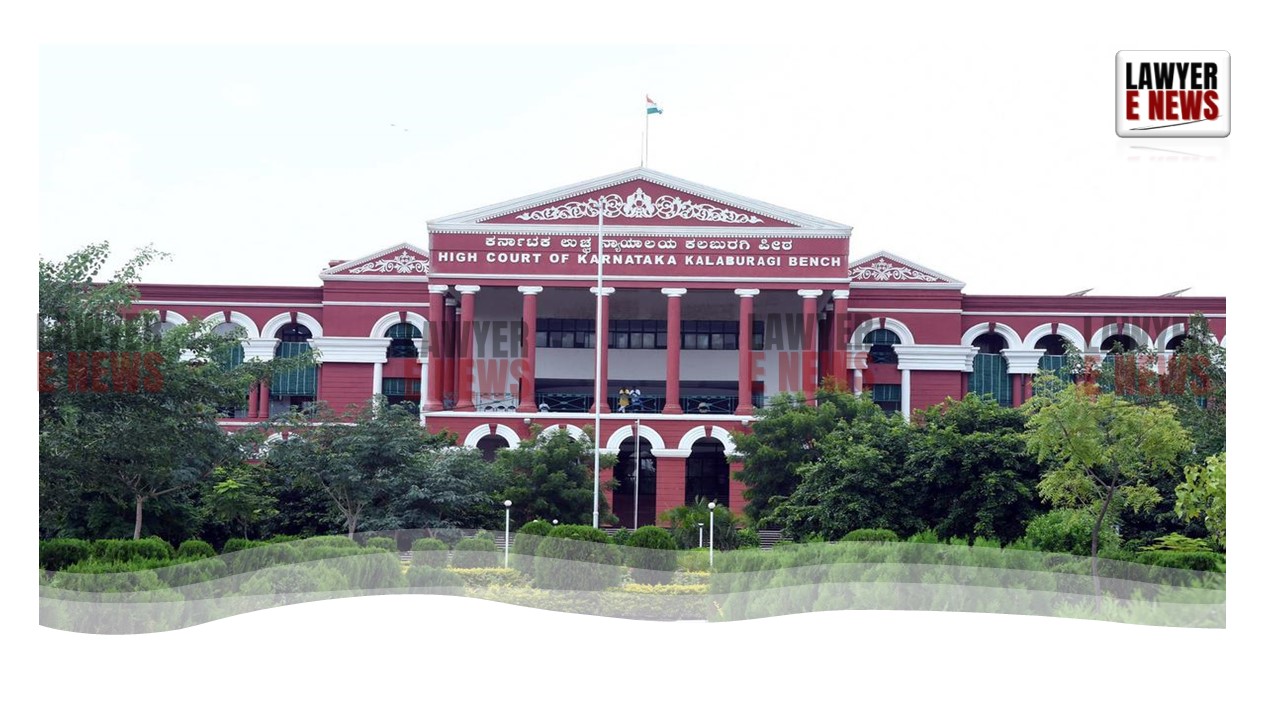
The High Court of Karnataka, in a significant ruling, has granted relief to 27 contractual employees who sought regularization of their services after being employed for over two decades. The court directed the state government to compensate these employees instead of reinstating them, following the closure of the printing press where they worked. The decision underscores the judiciary's efforts to balance the rights of long-serving contractual employees with the practical constraints faced by the government.
The petitioners, employed initially as binders and later as printers since 2000, worked at the government printing press in Tumkur, which was later closed in 2016. They continued their employment on an outsourced basis at the Peenya printing press. Despite their prolonged service, their request for regularization was denied by the state government, prompting them to file a writ petition.
The court noted the continuous employment of the petitioners, highlighting that despite being outsourced, they rendered services for more than 22 years. The petitioners presented substantial evidence, including payment and attendance registers, and an inspection report from the Labour Department, supporting their claim of continuous service.
The court reviewed affidavits submitted by both parties. The state’s affidavit admitted that the petitioners had worked on a contractual basis through outsourcing agencies from 2016 to 2023. Additionally, the Labour Department's inspection report from 2008 confirmed the employment of the petitioners since 2000.
The court referred to precedents set by the Supreme Court in similar cases, notably Sheo Narain Nagar & Ors. v. State of Uttar Pradesh & Anr. and Ranbir Singh v. S. K. Roy, to justify the decision of awarding compensation. The court ruled that monetary compensation is a viable alternative to regularization, especially given the closure of the printing press.
"The principle of paying monetary compensation in lieu of reinstatement ordered by the Apex Court is required to be adopted and applied in this case," the court stated, emphasizing the practicality of compensation over reinstatement due to the closure of the printing press.
The High Court's ruling provides a pragmatic solution to the long-standing issue faced by the petitioners, offering them compensation for their years of service. This decision highlights the judiciary's role in protecting the rights of contractual workers while acknowledging the operational constraints of government establishments. The compensation model adopted by the court is expected to serve as a precedent for similar cases in the future.
Date of Decision: May 9, 2024





