
-
by sayum
06 October 2026 2:36 PM







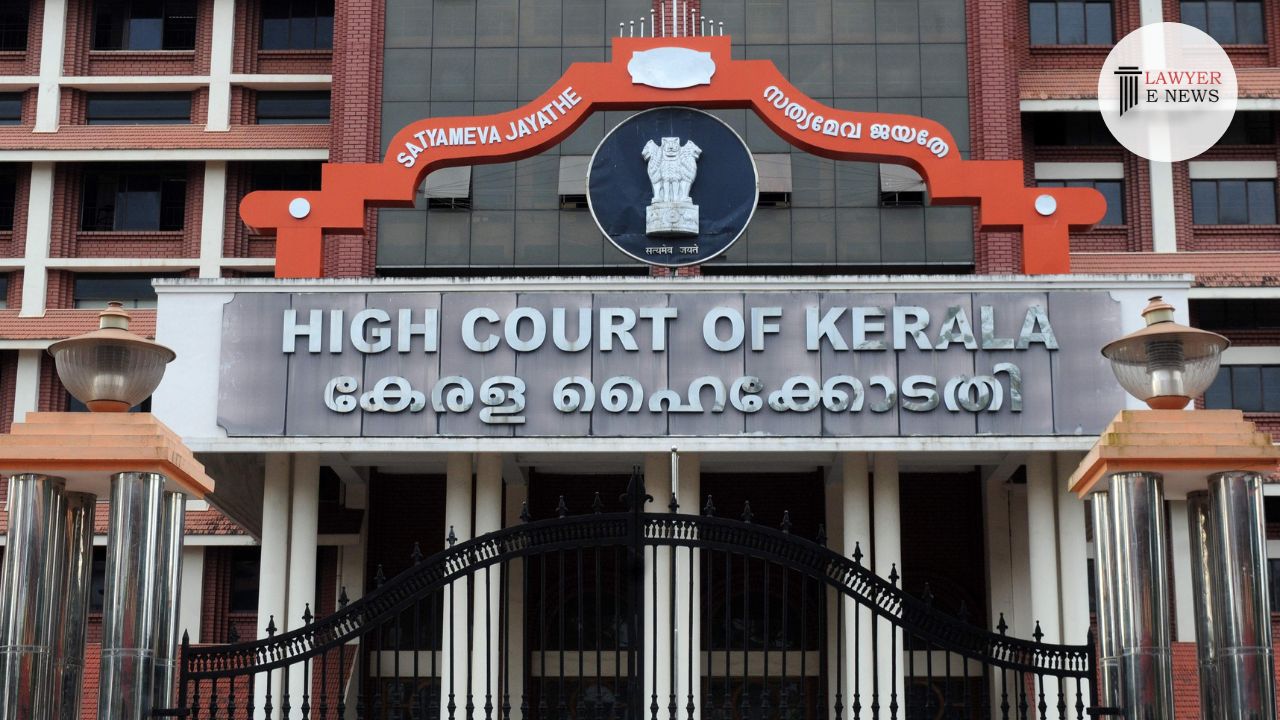
In a significant ruling, the Kerala High Court has upheld the admissibility of a post-trial document in a criminal case, underscoring the broad scope of Section 311 of the Code of Criminal Procedure 1973. The decision, delivered by Justice Bechu Kurian Thomas, emphasized the importance of flexibility in criminal proceedings to ensure a fair and just trial.
The court addressed the pivotal legal issue of whether a document not procured during investigation or produced with the final report can be admitted post-completion of evidence under Section 311 of Cr.P.C. This legal point concerns the admissibility of new evidence in a trial process, particularly in criminal cases.
The petitioner, Shyju, challenged the trial court’s decision allowing the introduction of a disability certificate and the examination of the issuing doctor, asserting that this evidence, produced after the trial’s conclusion, was not permissible. This document, crucially, attested to the victim’s 100% blindness resulting from the acid attack, allegedly perpetrated by Shyju under IPC sections 308, 326A, and 120B read with Section 34.
Relevance of New Evidence: The court clarified that the prosecution’s right to introduce new evidence is not strictly limited to the investigation phase or the final report submission. Referencing several Supreme Court decisions, the court highlighted the importance of admitting essential and relevant evidence to ensure justice, even if it emerges post-trial.
Scope of Section 311 CrPC: Justice Thomas elucidated the broad scope of Section 311, which empowers the court to summon any witness or document deemed essential for a just decision. The provision aims at aiding the objective of a criminal trial – rendering justice – without being confined to the materials initially produced.
Emphasis on Justice Over Procedure: The decision stressed that the introduction of new evidence should not be restricted solely because it was not part of the original investigation or final report. The essentiality of the evidence for a just decision overrides procedural limitations.
Decision The High Court dismissed the Criminal Miscellaneous Case, finding no error in the trial court’s decision to allow the introduction of the disability certificate and examination of the issuing doctor. This decision upholds the principle of justice and the effective application of Section 311 CrPC.
Date of Decision: April 3, 2024
Shyju VS State of Kerala