-
by sayum
06 October 2026 12:13 PM







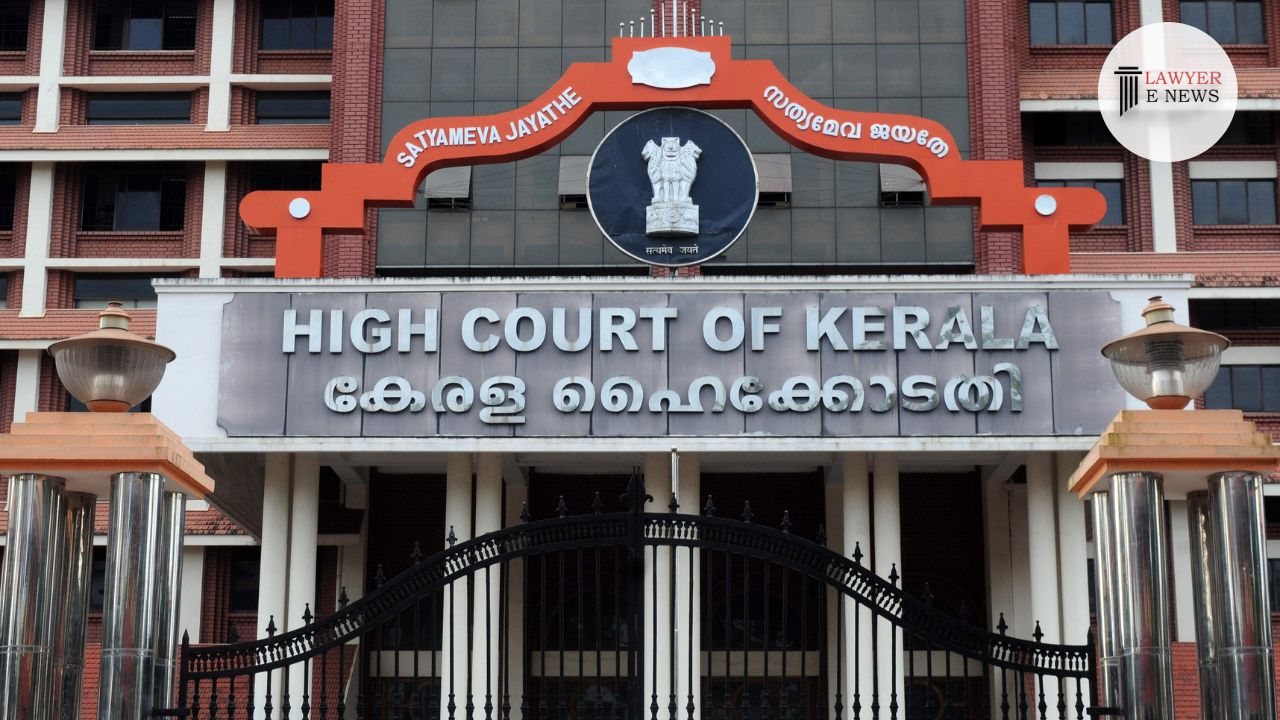
In a significant judgement dated April 16, 2024, the Kerala High Court dismissed the writ appeal filed by P. Gopalakrishnan, also known as Dileep, challenging the interim application allowing the issuance of certified copies from previously disposed proceedings. The Court held that such issuance is ancillary and does not constitute a revival of disposed proceedings.
Legal Point of Judgement: The core legal issue addressed by the High Court in W.A. No. 581 of 2024 was whether the issuance of certified copies of statements from a disposed writ petition could be seen as reviving the concluded proceedings. The High Court determined that providing certified copies for effective prosecution does not reopen or revive the original disposed proceedings.
Facts and Issues: The appeal arose from an order dated April 12, 2024, in IA No. 3/2024 in W.P.(Crl.) No. 445/2022, where the High Court directed the issuance of certified copies of statements to the first respondent, a film actress and de facto complainant in a crime concerning the alleged tampering of digital evidence. The appellant argued that this action constituted a revival of the disposed case, which was against legal precedents.
Precedents and Procedural Legitimacy: The court referenced several Supreme Court decisions, including State of Uttar Pradesh v. Brahm Datt Sharma and others, to emphasize that issuing directions in disposed cases, if deemed ancillary, does not amount to their revival.
Purpose of Issuing Certified Copies: The court observed that the issuance was purely to aid in the ongoing prosecution and ensure fairness in the trial process, thereby upholding the need for procedural justice and transparency in criminal proceedings.
Rights of the First Respondent: It was highlighted that the first respondent's constitutional rights to a fair trial and to access necessary documents for prosecution were fundamental and needed to be protected.
Impact on Ongoing Criminal Proceedings: The decision stressed that allowing access to these documents would enable a thorough and fair analysis of the evidence, which is crucial for the integrity of the judicial process.
Decision of Judgement: The court dismissed the writ appeal, stating that the relief granted in IA No.3/2024 was ancillary and legally permissible. The decision reinforced the judiciary's commitment to ensuring that essential documents are accessible for the purpose of justice, without reviving settled proceedings.
Date of Decision: April 16, 2024
Gopalakrishnan @ Dileep vs. State of Kerala & Ors.