
-
by sayum
05 October 2026 9:18 AM







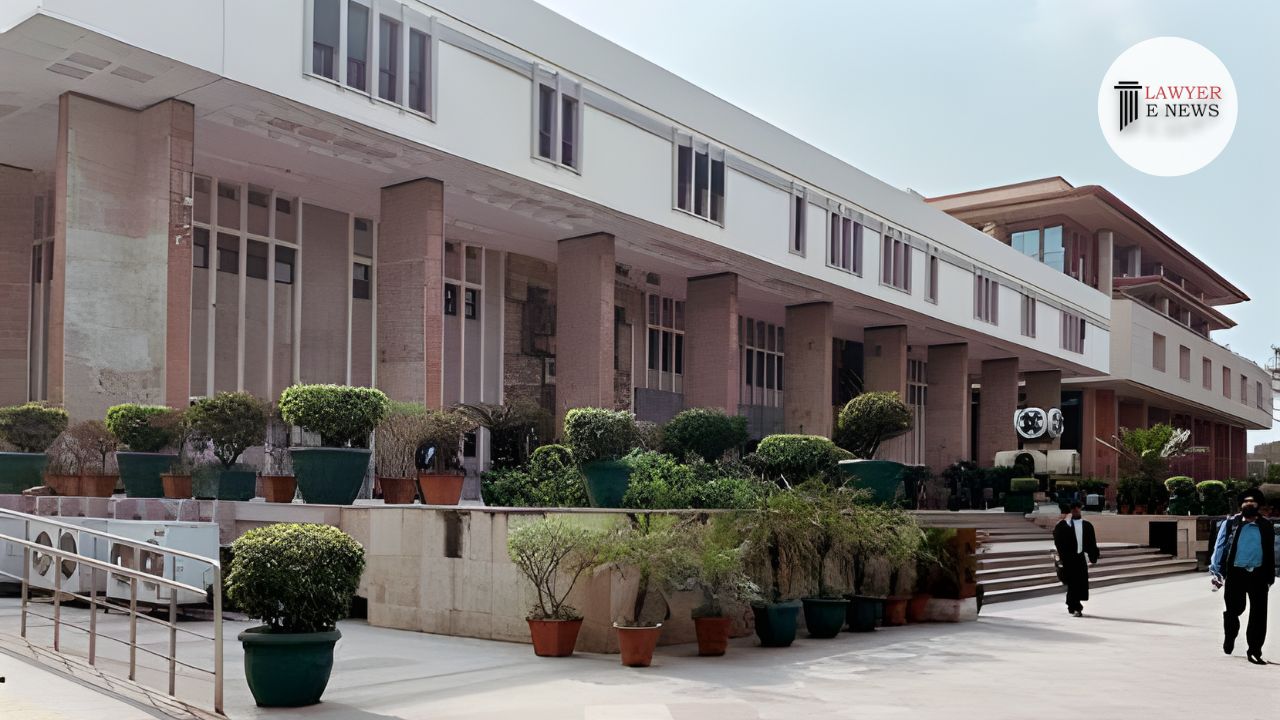
In a landmark decision, the Delhi High Court has firmly set aside orders issued by a Sessions Judge that unjustly summoned senior police officials, including the issuance of bailable warrants against the Deputy Commissioner of Police (Crime). This significant ruling, dated 22nd December 2023, emphasizes the need for judicial restraint and adherence to the principles of independence within the justice system.
The judgment, delivered by Justice Amit Bansal, articulated the importance of maintaining respect for the independent roles of different entities within the legal framework. In the case of State (NCT Of Delhi) Through Deputy Commissioner of Police, Crime-III, Delhi vs. Shadab, the Court noted, "Delay in obtaining FSL reports in a timely manner would not tantamount to negligence on behalf of the Police Authorities" [Para 16]. This statement underscores the acknowledgement of the Forensic Science Laboratory’s (FSL) independence and the limited role police officials play in influencing FSL processes.
Highlighting the impact of such unwarranted judicial orders on police functioning, the Court remarked on the necessity of "judicial restraint in this regard" [Para 19]. The routine summoning of high-ranking police officials and issuing of bailable warrants were criticized for negatively affecting their duties and tarnishing their reputation.
In a critical observation addressing the issue of repeated violations of judicial directives, the Court ordered the sending of a copy of the judgment to the Inspection Committee, suggesting a need for oversight and action. The Court’s decision serves as a stark reminder of the boundaries within which judicial and law enforcement authorities operate, and the importance of respecting these boundaries for the effective functioning of the justice system.
Furthermore, the Court directed that the judgment be circulated among all judicial officers in Delhi. This directive is aimed at sensitizing them to the critical importance of judicial restraint and discipline in their orders, especially when dealing with police officials.
This ruling sets a precedent for future cases and is expected to have a lasting impact on the relationship between the judiciary and law enforcement agencies, fostering a more harmonious and respectful interaction based on mutual understanding of each entity’s role and limitations within the legal system.
Date on: 22nd December 2023
STATE (NCT OF DELHI) VS SHADAB