-
by sayum
10 October 2026 11:19 AM







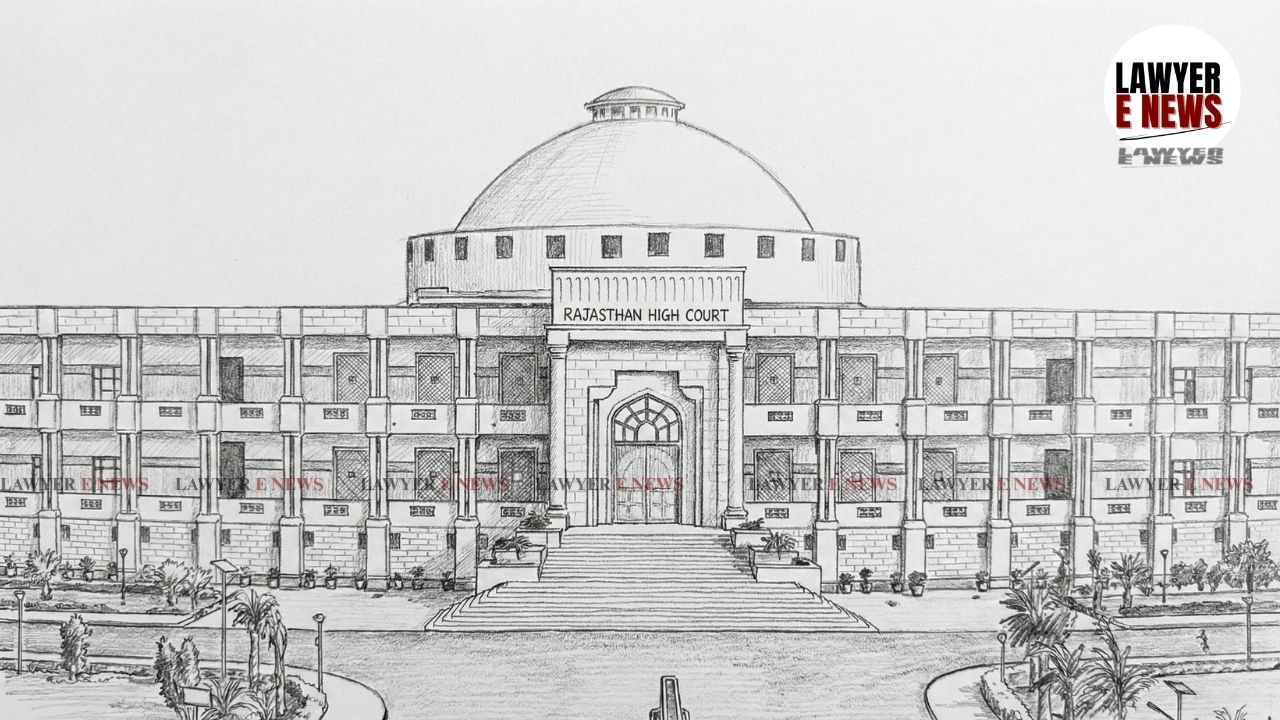
In a recent development, the High Court of Judicature for Rajasthan, Jaipur Bench, has dismissed a writ petition filed by Anjuman Moinia Fakhria Chishtiya Khuddam Khwaja Saheb (Syedzadgan), Dargah Sharif, Ajmer, which sought a ban on the release of the film 'Ajmer 92' and the formation of a committee to review its content. The judgment was delivered by Hon'ble Mr. Justice Inderjeet Singh on 3rd July 2023.
The petitioner, represented by a team of advocates including Mr. Ajay Singh, Ms. Deepa Choudhary, Mr. Prawal Mishra, Mr. Pradeep Kumar Malakar, Mr. Jay Prakash, and Mr. Tribhuvan Singh Rajpoot, had approached the court with various prayers, including a request to direct the Union of India, Central Board of Film Certification, State of Rajasthan, Reliance Entertainment, U and K Films Entertainment, and Little Crew Productions to prohibit the release of the film 'Ajmer 92' on both theaters and OTT platforms, scheduled for 14th July 2023.
The petitioner further sought the constitution of a committee comprising members from the Central Board of Film Certification, the petitioner, and counsels, headed by a retired judge of the High Court. The committee would have been responsible for ensuring the absence of defamatory or derogatory content and any negative portrayal of Dargah Sharif Ajmer or related objects/items. The committee was required to submit its report to the court within seven days of its formation.
Additionally, the petitioner requested the court to order the deletion of any defamatory or derogatory content related to Dargah Sharif Ajmer and Khwaja Moinuddin Chisty from the film 'Ajmer 92' or its promotional materials. The petitioner also sought directions to websites or online platforms hosting the offensive content to remove it within 24 hours of receiving the court order. Furthermore, the petitioner urged the court to instruct law enforcement agencies to obtain all information and associated records from the platforms hosting the content.
However, after perusing the record, the court observed that the petitioner had an alternative remedy of revision available before the Central Government under Section 6 of the Cinematograph Act, 1952, to address the grievances raised in the writ petition. Consequently, the court held that there were no grounds for interference by invoking Article 226 of the Constitution of India, leading to the dismissal of the writ petition.
Date of Decision: 03/07/2023
Anjuman Moinia vs Union Of India
[gview file="https://lawyer-e-news.com/wp-content/uploads/2023/07/Anjuman-vs-UOI-03-July-23-Raj-HC.pdf"]