High Courts Should Not Interfere In Academic Integrity Proceedings At Preliminary Stage: Kerala High Court Power Of Attorney Holder With Personal Knowledge Can Depose In Cheque Bounce Cases: Kerala High Court Sets Aside Acquittal Divorce Cannot Be Granted Merely on WhatsApp Chats: Bombay High Court Sets Aside Ex-Parte Decree Based on Unproved Electronic Evidence State Cannot Demand Settlement Amount Yet Withhold Legitimate Refund: Bombay High Court Strikes Down MVAT Settlement Order Surveyor’s Report Is Not Sacrosanct; Arbitral Award Ignoring Vital Evidence Is Perverse: Delhi High Court Sets Aside Insurance Arbitration Award When Victim Lives Under Exclusive Control Of Accused, Burden Shifts To Accused To Explain What Happened: Calcutta High Court Medical Evidence Clearly Indicating Suicide Cannot Be Overlooked, Prosecution Must Prove Homicidal Death Beyond Reasonable Doubt: Andhra Pradesh High Court 'Candidates Acted With Full Knowledge of Consequences': Kerala High Court Reverses Order for Refund of 10% Exit Fee in Medical PG Mop-Up Admissions Dispensing with Departmental Inquiry Without Material is Arbitrary: Supreme Court Sets Aside Dismissal of Delhi Police Constable Power Of Attorney Holder Authorized To Enforce Pre-Emption Right Can File Suit, Death Of Principal Does Not Bar Legal Heirs: Orissa High Court Government Servant Convicted In Criminal Case Can Be Dismissed Without Departmental Enquiry: Tripura High Court Upholds Teacher’s Dismissal RTI Cannot Be Used To Bypass Statutory Bar On Police Case Diaries: Punjab & Haryana High Court Sets Aside Penalty Against Police Officers Externment Cannot Be Based On Police Report And Stale Cases: Madhya Pradesh High Court Quashes District Magistrate’s Order Even Exonerated Accused Can Be Summoned During Trial: Punjab & Haryana High Court Upholds Summoning Under Section 358 BNSS Benefit of Doubt Acquittal Not Equal to Honourable Acquittal: Supreme Court Upholds Rejection of Police Constable Candidate Madras High Court Allows NEET-Failed Student To Appear In CBSE Class XII Mathematics Exam After Last-Minute Subject Switch By Parents

High Court Cancels FIR and Subsequent Proceedings Due to Lapsed Limitation Period

07 May 2024 8:19 AM

By: Admin


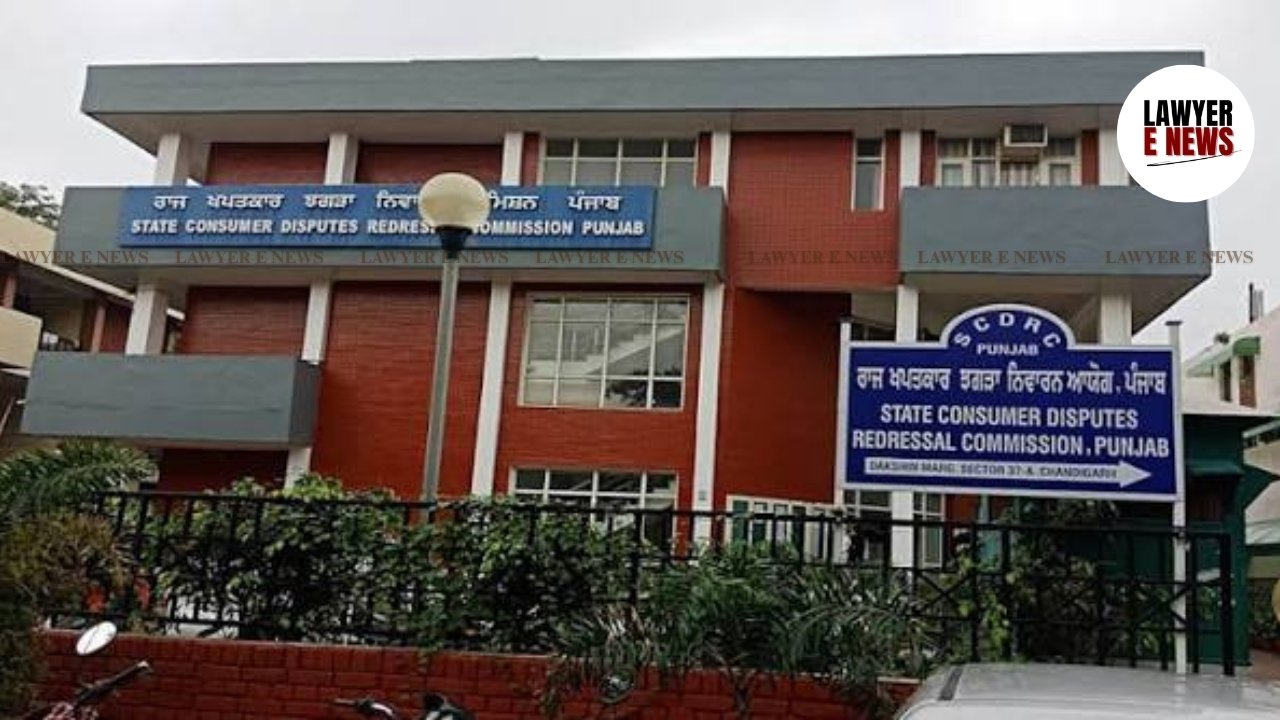
In a recent judgment, the Punjab and Haryana High Court has quashed an FIR and all subsequent proceedings arising therefrom under Section 482 Cr.P.C. The Court observed that the cognizance could not have been taken as the limitation period had expired under Sections 468 and 469 Cr.P.C.

The case, Rakesh Kumar & Another vs State of Haryana, concerned the quashing of FIR No.0617 dated 28.09.2016 registered under Sections 6, 7A and 12 of the Punjab Scheduled Roads and Controlled Areas Restriction of Unregulated Development Act, 1963 at Police Station Samalkha, District Panipat, the report under Section 173 Cr.P.C. dated 26.04.2019 under the same provisions and all subsequent proceedings arising therefrom.

The Court noted that the complainant department had knowledge of the alleged commission of the offence on 09.07.2012, but the FIR was registered only on 28.09.2016. Additionally, the report under Section 173 Cr.P.C. was presented on 26.09.2019, and the sanction was granted on 07.06.2019. The Court emphasized that a reading of Sections 468 and 469 Cr.P.C. shows that the Court could have taken cognizance only within a period of 03 years from the date of knowledge of the offence. In the present case, almost 07 years had elapsed between the date of knowledge of the commission of the offence and the date when the sanction was granted, making the proceedings time-barred.

Thus, the Court allowed the petition and quashed the FIR and subsequent proceedings. The judgment serves as a reminder of the importance of complying with the limitation period for taking cognizance of offences.


Decided on: 25.04.2023

Rakesh Kumar & Another VS State of Haryana 

Latest Legal News