-
by sayum
02 October 2026 8:27 AM







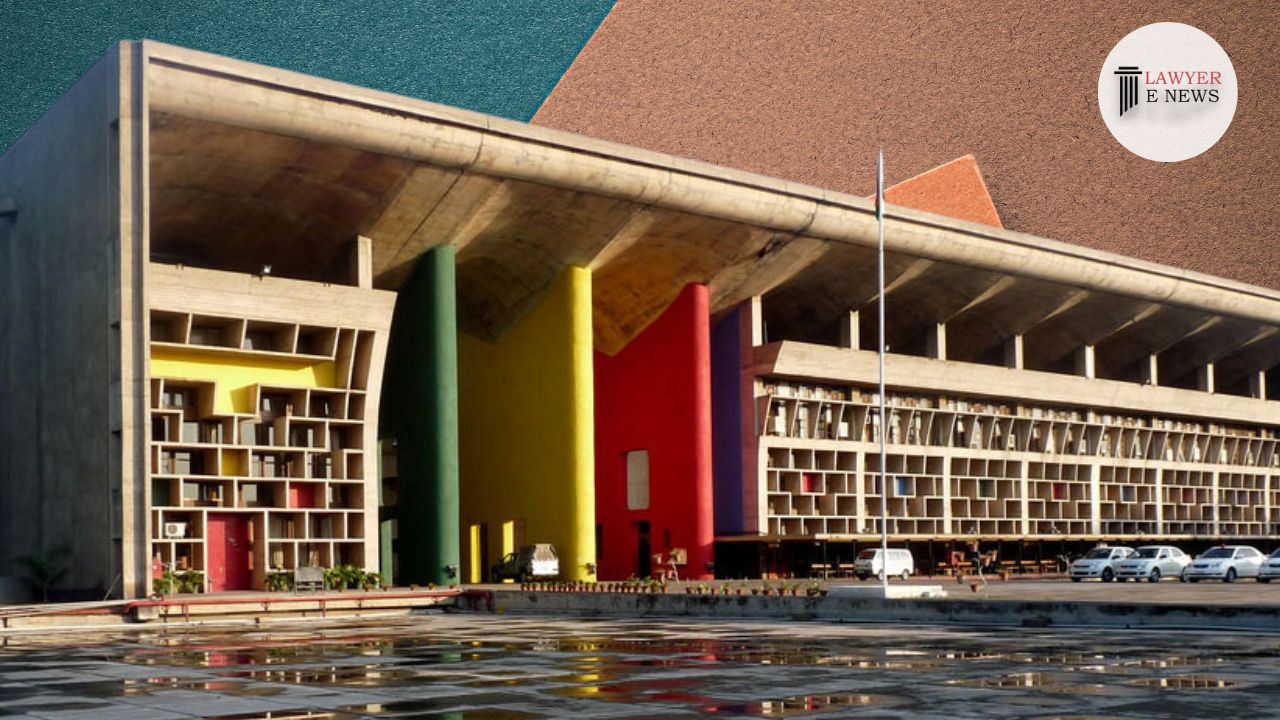
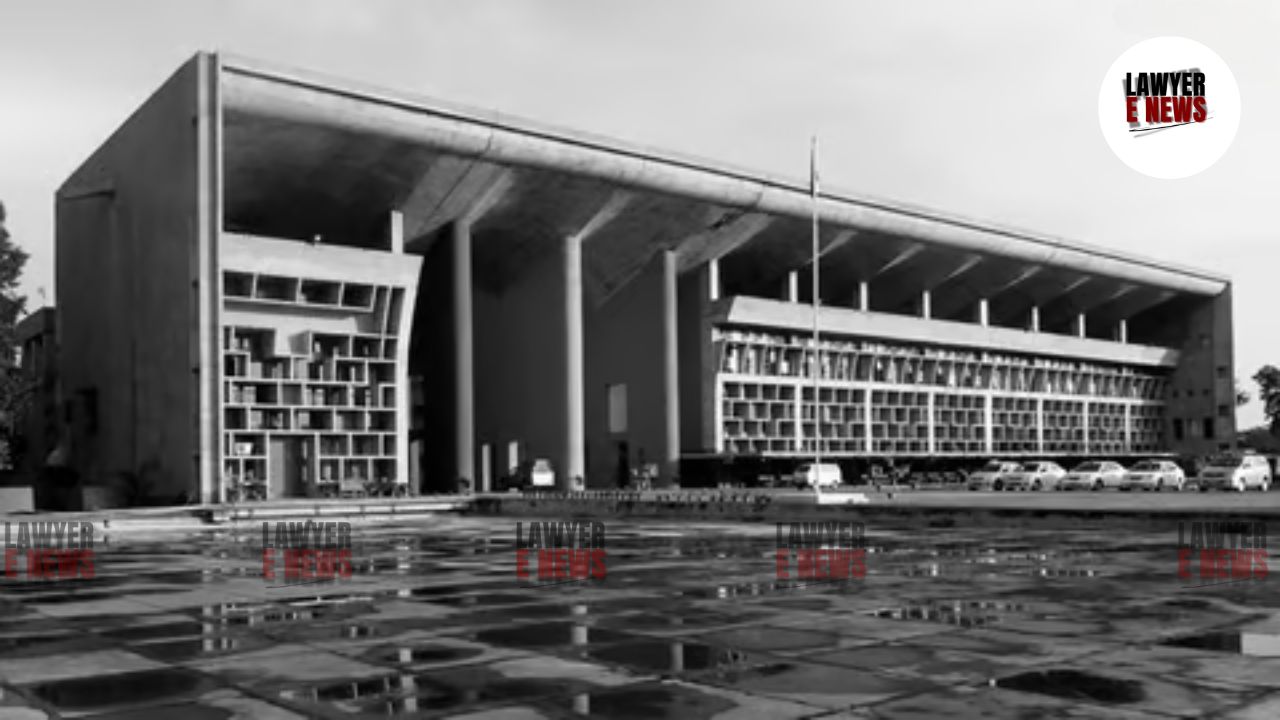
In a significant development, the High Court for the States of Punjab and Haryana at Chandigarh, led by Hon'ble Mr. Justice Gurvinder Singh Gill, ruled in favor of the petitioner in a recent arbitration case. The court allowed the petitioner to present additional evidence, including photographs, videos of the locality, and sale-deeds, after challenging an order from the Arbitrator declining their application for the same.
Justice Gill, in his oral judgment delivered on 3rd August 2023, emphasized that the evidence sought to be presented by the petitioner held a "material bearing on the outcome of the proceedings" concerning the assessment of compensation. He quoted a precedent case, Glenocore International AG vs. Dalmia Cement (Bharat) Limited, 2018 R.A.J. 672 from the Delhi High Court, supporting the admissibility of additional evidence in suitable cases.
The petitioner's counsel, Mr. Santosh Sharma, had contended that without the additional evidence, a correct determination of compensation may not be possible. The court acknowledged that while the principles of the Code of Civil Procedure, 1908 apply to arbitration proceedings, the Arbitrator is not bound by all provisions of the Code, as stated in Section 19 of the Arbitration and Conciliation Act, 1996.
In an earlier order dated 22nd March 2023, the court had already permitted the petitioner to avail remedies under the Arbitration and Conciliation Act, 1996, preserving the right to lead evidence. Justice Gill upheld the importance of ensuring fairness and justice in arbitration proceedings, affirming that additional evidence can be permitted in suitable cases, especially when it can have a significant impact on the outcome.
However, considering that the application for additional evidence was filed at a belated stage, Justice Gill imposed a non-refundable cost of Rs. 2,00,000/- on the petitioner. The court directed the petitioner to deposit this amount in the "Chief Minister Punjab Relief Fund" to proceed with presenting the additional evidence.
The judgment serves as a notable precedent, reaffirming the importance of considering relevant evidence to arrive at a just and equitable decision in arbitration cases. As parties involved in arbitration seek a fair resolution, this ruling reinforces the arbitrator's discretionary power to determine the admissibility, relevance, materiality, and weight of any evidence under the provisions of the Arbitration and Conciliation Act, 1996.
Date of Decision: 03-08-2023
M/s R.K. & Co. Patran vs Union of India and others