-
by sayum
29 August 2026 3:15 PM







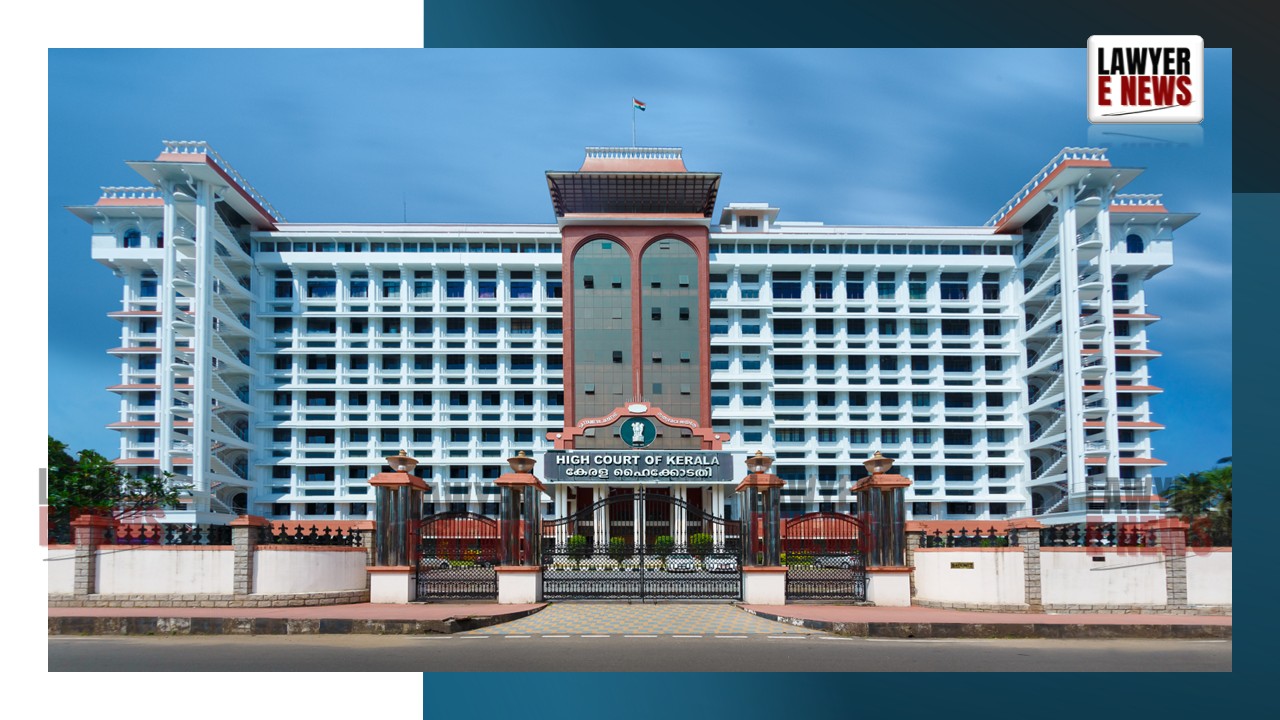
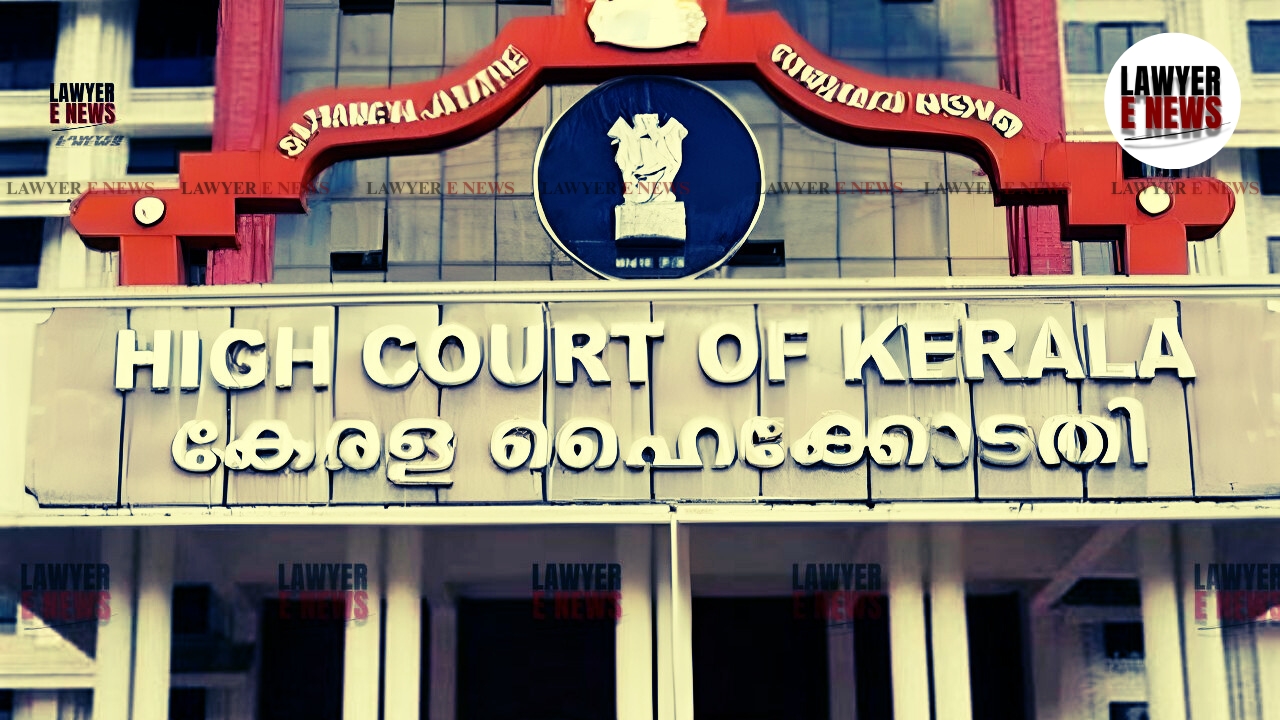
“Merely based on conjectures and surmises, the quashment… could not be granted”, High Court of Kerala at Ernakulam, in a common order delivered by Justice A. Badharudeen , refused to quash criminal proceedings or interfere with the rejection of a discharge plea filed by Jose T. Paul, former President of Choondal Grama Panchayat, and C.C. Sreekumar, former Development Standing Committee Chairman. The court held that prosecution materials, particularly a handwriting expert’s report, prima facie showed their active role in a conspiracy to forge official records and misappropriate rice allotted under the Sampoorna Grameen Rozgar Yojana (SGRY).
The allegations are rooted in Crime No. VC-21/2010 of the Vigilance and Anti-Corruption Bureau, Thrissur, arising from SGRY road renovation projects in Choondal Panchayat. The prosecution claims that the accused, acting in concert with the then Secretary, manipulated the system to release food grains as mobilisation advance for works that were never executed.
The charge is that forged minutes of the beneficiary committee, fictitious lists of conveners, and fabricated work agreements were prepared to secure sanction from the Secretary. This resulted in the release of 46,573 kilograms of rice from the Food Corporation of India, Thrissur.
The court recounted that “the rice was collected and supplied by forging documents… no work carried out and the rice were sold in open market and the sale proceeds were misappropriated by the accused.” The alleged diversion caused a pecuniary loss of ₹6,10,106.30 to the Government.
A central plank of the prosecution was the Forensic Science Laboratory (FSL) report, which matched questioned signatures and writings in the forged documents with the admitted handwriting of the 2nd accused.
Justice Badharudeen noted:“The forged handwriting and signatures are that of the 2nd accused… the role of the 2nd accused… is having an active role, prima facie.”
The defence contended that several witness statements under Section 164 CrPC did not name the petitioners, but the court dismissed this as insufficient to erase the prima facie link established by documentary and forensic evidence.
The judge further emphasised that in conspiracy cases under Section 120B IPC, “when there is material prima facie to show some meeting of mind as part of conspiracy, individual role of the accused need not be alleged or proved specifically.”
Holding that the allegations “are made out, prima facie and… would warrant trial of the accused, after framing charge,” the High Court dismissed both the Criminal Miscellaneous Case and the Revision Petition.
The interim stay was vacated, and the Special Court was directed to expedite and conclude the trial within four months, given that the case dates back to 2014.
Justice Badharudeen concluded: “Merely based on conjectures and surmises, the quashment… could not be granted… these petitions deserve dismissal.”
By refusing to terminate the proceedings at the threshold, the Kerala High Court reaffirmed that serious charges of corruption and forgery involving public resources must be tested through a full trial. In the court’s view, the handwriting expert’s opinion, coupled with the nature of the alleged conspiracy, left no room for short-circuiting the process.
Date of Decision: 11 August 2025