
-
by sayum
26 August 2026 1:49 PM







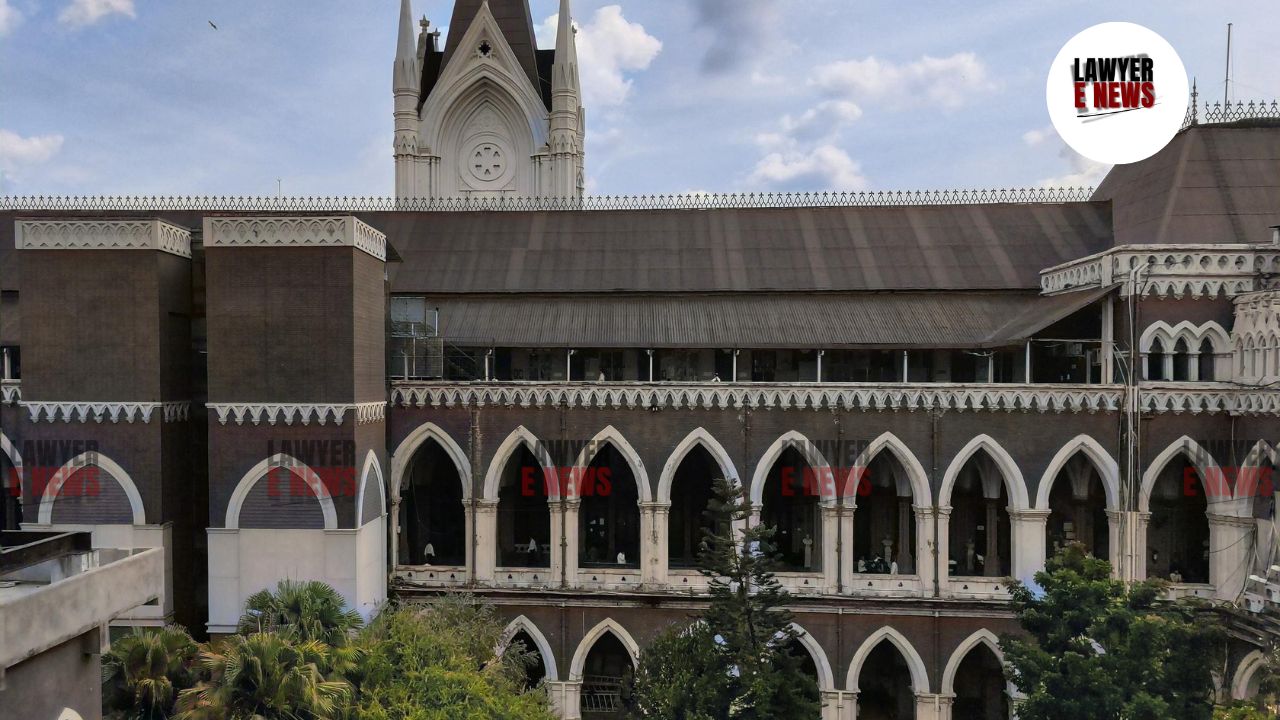
In a significant bail order, the Calcutta High Court's Jalpaiguri Circuit Bench has granted bail to Gourav Gowala, one of the accused in a murder case registered at the Nagrakata Police Station (Case No. 76 of 2024). Justice Biswaroop Chowdhury and Justice Arijit Banerjee noted the lack of specific evidence against Gowala, despite over five months in custody, stating that further detention was unwarranted under the circumstances.
The case stemmed from an incident involving multiple accused, charged under Sections 448 (house trespass), 342 (wrongful confinement), 325 (voluntarily causing grievous hurt), 302 (murder), 34 (common intention), and 120B (criminal conspiracy) of the Indian Penal Code. Gowala, one of eight accused persons named in the FIR, had been in judicial custody for 161 days, while two other accused remained absconding. Gowala’s defense argued that his prolonged detention was unjustified given the lack of substantial evidence specifically implicating him in the alleged crime and the fact that the investigation had already been completed.
The State opposed the bail, referencing witness statements recorded under Section 164 of the Code of Criminal Procedure (CrPC) and the naming of all accused in the FIR. However, the Court observed that these statements did not directly point to Gowala's involvement in the alleged offense.
Further, the Court emphasized the extensive witness list—24 individuals—as well as the absence of concrete allegations against Gowala, casting doubt on the possibility of a swift trial.
"We see that there are 24 witnesses named in the charge sheet. There is very little likelihood of the trial coming to an early conclusion," the Court observed.
Considering the completion of the investigation and the low likelihood of an imminent trial, the Court concluded that prolonged custodial detention was not justified for Gowala. The Court underscored that detention without specific, substantial evidence was unwarranted and granted bail under strict conditions.
The Court ordered that Gourav Gowala would be released on a bond of ₹10,000 with two sureties of like amounts, one of whom must be local. It also imposed the following conditions:
Restriction on Movement: Gowala must not enter the jurisdiction of Nagrakata Police Station.
Regular Reporting: Gowala is required to provide his current residential address to the police and must report to the Officer-in-Charge of the relevant police station every fortnight.
Compliance with Court Dates: Gowala must appear at each trial date and is prohibited from tampering with evidence or intimidating witnesses.
In the event of non-compliance with these conditions, the trial court has the authority to cancel Gowala’s bail without further recourse to the High Court.
This ruling underscores the Court's stance on the presumption of innocence and the need for substantial evidence before prolonged pre-trial detention. The Court balanced procedural safeguards with a respect for Gowala’s liberty, reflecting a cautious approach to extended detentions in cases lacking direct evidence.
Date of decision: 11/11/2024





