-
by sayum
05 August 2026 5:12 AM







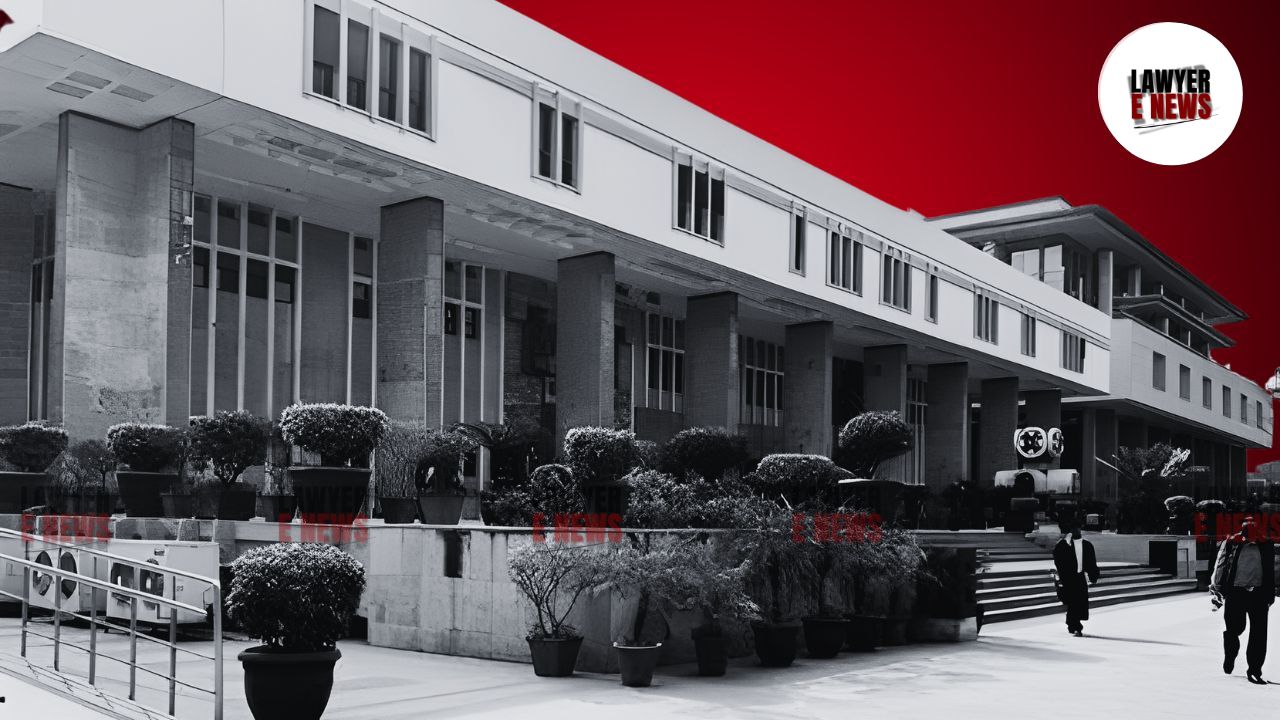
No Party Can Bypass Contractual Timeline, Even for Box Office Rush— Digital Rights Must Be Protected Before Theatrical Release - Delhi High Court restrained the theatrical release of the Tamil film “Veera Deera Sooran” for four weeks, citing breach of a Film Assignment Agreement. Justice Manmeet Pritam Singh Arora held that “timely delivery of Theatrical and Before Release Materials is the essence of the agreement,” and that "the defendant, by withholding these materials, has prevented the plaintiff from exercising its rights over the film, particularly the monetization of digital rights."
IVY Entertainment, the plaintiff, had entered into a Film Assignment Agreement dated June 19, 2024 with HR Pictures, assigning them exclusive digital, satellite, and theatrical rights for North Indian territories in multiple languages including Hindi. The defendant retained theatrical rights for South Indian territories.
Despite accepting Rs. 44 crores from the plaintiff—amounting to 40% of production cost—the defendant sought to release the film on March 27, 2025 without delivering the Before Release Materials and Theatrical Release Materials as mandated under Articles 1.12, 1.24, and 4 of the Agreement. The defendant also failed to provide the required CBFC certificate until March 22, 2025, in breach of the agreed 14-day timeline before release.
The core legal dispute revolved around the breach of contractual obligation by the defendant and whether such a breach justifies injunctive relief to delay the film’s release.
Justice Arora held, “The obligation to deliver materials 14 days before release is absolute. The unilateral release by the defendant, despite the plaintiff’s unpaid rights and pending material delivery, is a flagrant breach.”
Rejecting the defendant’s claim that the plaintiff had “impliedly consented” to the release date, the Court observed: “There is no written consent. The tentative nature of the release date was acknowledged in internal emails. Hence, no implied consent can be read into the record.”
The Court underscored that under Article 3.1(e) of the Agreement, the final payment of Rs. 7 crores was conditional upon the defendant handing over the complete material, which had not been done. Therefore, the plaintiff’s liability to pay had not matured.
The Court referred to Dalpat Kumar v. Prahlad Singh and Katta Sujatha Reddy v. Siddamsetty Infra Projects to reinforce that where damages are not a sufficient remedy, specific performance and injunction can be granted.
Further quoting from Article 18 of the Agreement, the Court noted: “Damages alone would not be an adequate remedy... the Assignee shall be entitled... to injunction, specific performance, and other equitable relief for any threatened or actual breach.”
On the balance of convenience, the Court observed: “Plaintiff’s ability to negotiate digital rights before theatrical release is central to its business model. Delay in release will cause inconvenience to the defendant but not irreparable loss. The plaintiff’s investment of Rs. 44 crores demands protection.”
Justice Arora ruled: “This Court is satisfied that the plaintiff has made out a prima facie case. The defendant is restrained from releasing the film for four weeks, subject to the plaintiff depositing Rs. 7 crores within 24 hours.”
The Court directed the defendant to deliver the complete pre-release and theatrical materials within 48 hours of receiving the payment. A Court Commissioner was appointed to supervise compliance, with the Court noting:
“The injunction period shall not exceed four weeks. The plaintiff must complete all negotiations during this window. No further extension will be permitted.”
The Court rejected the defendant’s “last-minute litigation” argument, stating: “Where prima facie breach is established, mere timing cannot defeat the plaintiff’s right to contractual enforcement.”
A cost of Rs. 25,000 was imposed on the plaintiff for non-disclosure of an internal email but this did not affect the outcome.
Date of Decision: 27 March 2025