-
by sayum
02 August 2026 1:07 PM








Subheadline: Convictions under Sections 370 and 376 IPC upheld, but life imprisonment reduced to ten years due to absence of special reasons for maximum sentence.
Introduction:
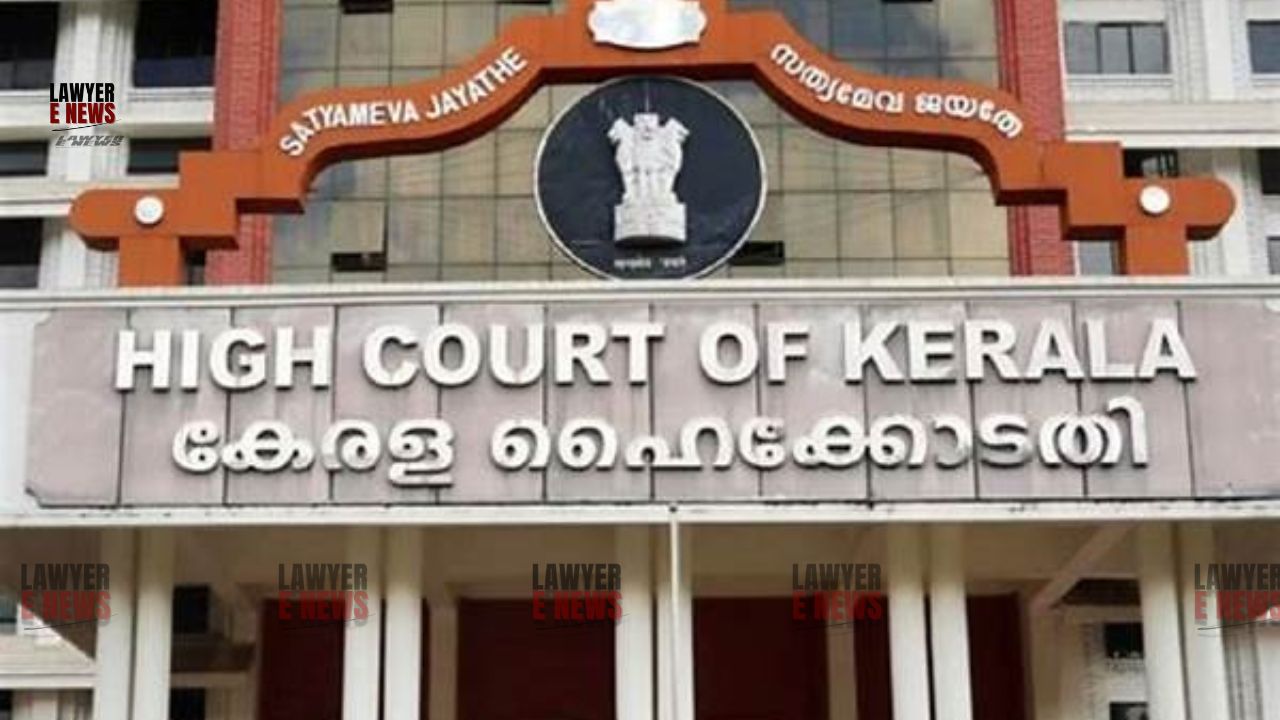
The High Court of Kerala at Ernakulam has upheld the convictions of the accused in a significant case involving human trafficking and rape, affirming the findings of the trial court. The judgment, delivered by Justices P.B. Suresh Kumar and C. Pratheep Kumar, sustained the convictions under Sections 370 (trafficking) and 376 (rape) of the Indian Penal Code (IPC), while modifying the sentences from life imprisonment to ten years of rigorous imprisonment due to the trial court’s failure to provide special reasons for imposing the maximum penalty.
Facts of the Case:
The case centers around the plight of a 15-year-old girl from Bangladesh who was lured to India under false promises of employment by her cousin and his wife. The victim was subsequently trafficked and subjected to sexual exploitation. The prosecution identified six individuals involved in the crime, with the trial court convicting the 5th and 6th accused under Sections 370 and 376 IPC.
Court Observations and Views:
Credibility of Evidence:
The High Court emphasized the importance of the evidence provided by the victim (PW2), highlighting that despite her illiteracy and the traumatic circumstances, her testimony remained consistent and credible. “The evidence of PW2 identifying the 5th accused before the court is reliable, trustworthy and liable to be accepted, without any corroboration”.
Legal Reasoning:
The court discussed the principles of evaluating evidence in sexual violence cases, reiterating that the victim’s testimony alone, if found reliable and trustworthy, can sustain a conviction. The court noted, “There should not be any prevarication in the version of such a witness. The witness should be in a position to withstand the cross-examination of any length and howsoever strenuous it may be”.
Sentencing:
The court scrutinized the sentencing, noting that the trial court did not provide “special and strong reasons” for imposing life imprisonment, as required by precedent. “For awarding maximum sentence of imprisonment for life, special and strong reasons have to be given,” the court observed, citing previous judgments. Consequently, the sentences were modified to ten years of rigorous imprisonment for the 5th and 6th accused.
Quotes from the Judgment:
Justice C. Pratheep Kumar remarked, “The version of the said witness on the core spectrum of the crime should remain intact while all other attendant materials should match the said version in material particulars in order to enable the Court trying the offence to rely on the core version”.
Conclusion:
The High Court’s judgment in this case underscores the judiciary’s nuanced approach to handling cases of sexual violence and trafficking. By upholding the convictions while adjusting the sentences, the court reaffirmed the necessity of adhering to established legal standards in sentencing. This decision is likely to impact future cases, ensuring that while justice is served, the rationale for sentencing is thoroughly articulated.
Date of Decision: July 25, 2024