-
by sayum
29 August 2026 3:15 PM







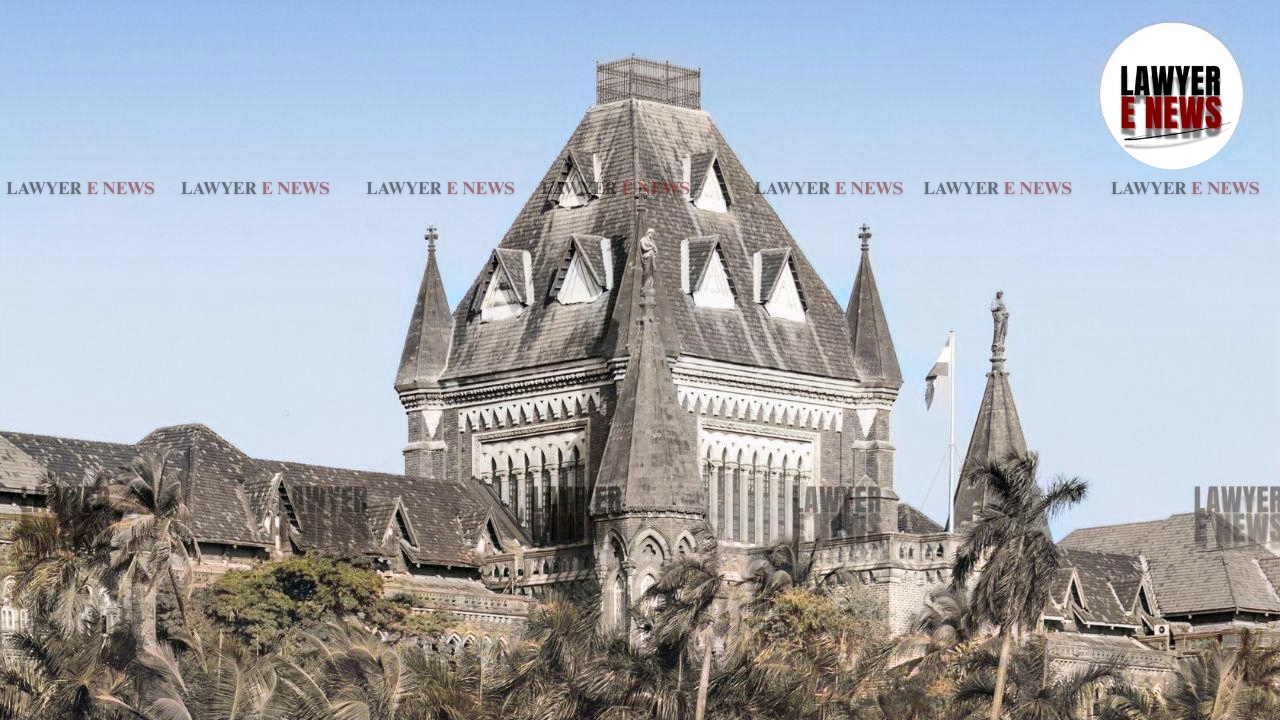
“Charm of the twin hill stations cannot be sacrificed at the altar of unplanned urbanisation”, In a far-reaching verdict on the future of Lonavala-Khandala, the Bombay High Court has once again placed sustainable planning above haphazard growth. Delivering judgment in Lonavala Khandala Citizens Forum & Anr. v. The Municipal Council of Lonavala & Ors., Chief Justice Alok Aradhe and Justice Sandeep V. Marne warned that granting development permissions without matching civic capacity is “an invitation to ecological and civic collapse.”
A Hill Paradise Under Siege
What was once “a misty paradise of waterfalls, cloud-covered roads and lush green trails” has, according to the Court, been “marred by garbage heaps, blocked drainages, uncontrolled constructions and crumbling infrastructure.”
The Public Interest Litigation, filed in 2007 by the Lonavala Khandala Citizens Forum, arose from growing alarm over rapid urbanisation in the ecologically sensitive Western Ghats belt. The petition described bad roads, flooding, vehicular pollution, hill-cutting and illegal constructions as everyday realities of a region that receives up to two lakh weekend visitors in the monsoon.
The petitioners alleged that the Municipal Council and state agencies had abdicated their constitutional responsibility under Article 21—“the Right to Life, which includes the Right to Clean and Healthy Environment.” They demanded the demolition of illegal constructions, immediate implementation of Solid Waste Management Rules, comprehensive sewerage and water supply plans, and an end to unregulated building permissions.
Court’s Early Interventions: From Warnings to Costs
The case has been a judicial marathon. As early as 2008, the Court observed that “untreated waste is directly discharged into the river” and that “there are unchecked, unauthorized constructions being raised in this area.” Interim orders froze illegal construction, compelled the revival of a defunct sewage treatment plant, and directed that no new projects be sanctioned without evaluating their impact on existing infrastructure.
Frustrated by “mere cosmetic” demolition drives, the Court imposed personal costs on senior state and municipal officials in 2009, warning that “defaulting officers will face individual liability for inaction.”
The 2014 Turning Point: An Expert Committee to Guard the Gates
A decisive shift came on April 29, 2014, when the Court, noting the Municipal Council’s “miserable failure to perform its primary duty to provide basic infrastructure,” created a Court-appointed Expert Committee to screen all major development proposals.
“No commencement certificate,” the Bench ordered, “shall be issued unless the Committee certifies that the existing infrastructure is adequate for the proposed construction.” Projects already sanctioned but stalled since 2008 were to be re-examined, and stalled schemes for drainage, water supply, and road widening were to be expedited.
By August 2014, the Committee was expanded to include representatives of local engineers and the petitioner citizens’ body, creating a rare joint oversight mechanism between the judiciary, technical experts, and the community.
Progress and Present Reality
By 2025, the petitioners acknowledged that the Court’s interventions had “largely controlled” the pace and scale of development. Solid Waste Management Rules were finally being implemented, partial sewerage and waste treatment plans were operational, and “demolition of illegal constructions, which existed at the time of filing, has largely been completed.”
The Bench praised the cooperation between the Expert Committee and the Municipal Council, but stressed that “development permissions remain tied to the carrying capacity of the region.” The Court also ensured continuity by appointing former Justice Mridula Bhatkar as Chairperson of the Expert Committee after the passing of Justice S. Radhakrishnan.
“The Charm Cannot Be Sacrificed”
In its closing observations, the Court encapsulated the ethos of its long supervision: “The twin hill stations cannot be allowed to lose their charm under the weight of concrete. The balance between ecology and development must be preserved. Infrastructure first—development later.”
The ruling cements a judicial precedent: in ecologically sensitive tourist zones, planning permissions are not an administrative routine but a constitutional duty intertwined with environmental protection.
Date of Decision: 23 July 2025