
-
by sayum
26 August 2026 1:49 PM







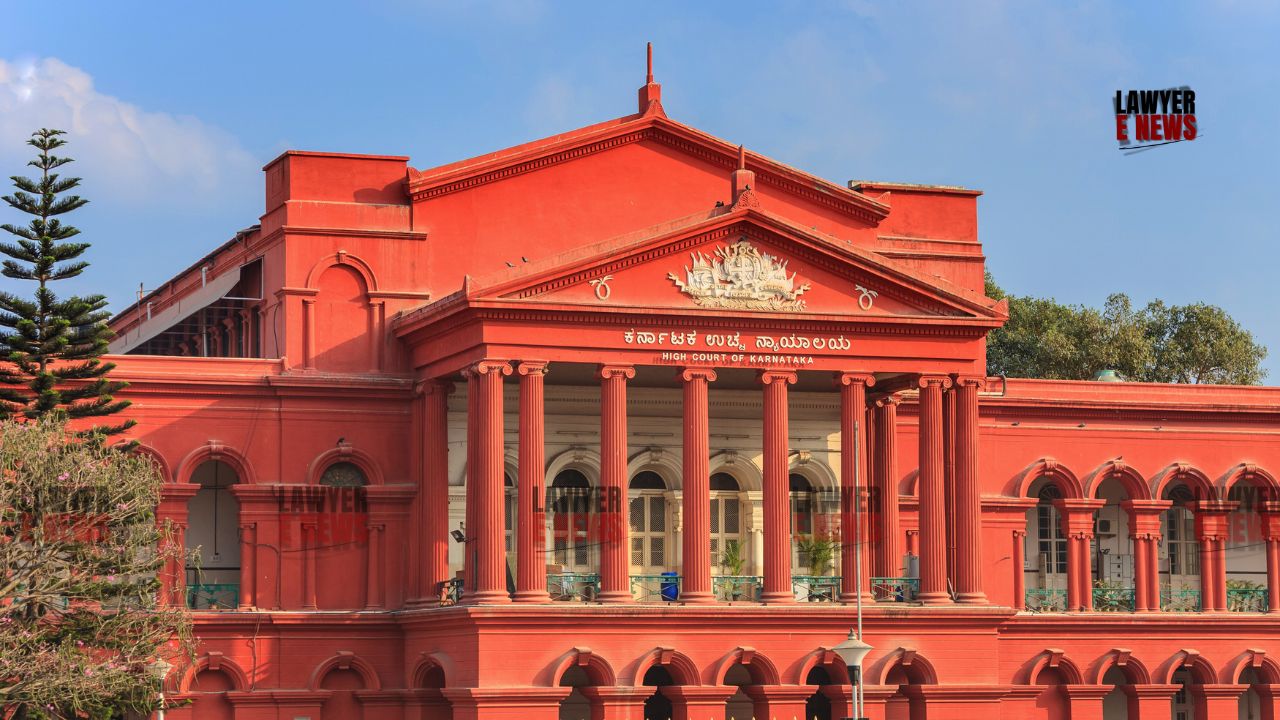
Justice M.G. Uma releases 51-year-old Saroja, citing insufficient evidence and her secondary role in the alleged offenses - The Karnataka High Court has granted bail to Smt. Saroja, who was implicated in a case involving dowry harassment and related offenses. The court, led by Justice M.G. Uma, determined that the prosecution lacked substantial evidence to justify Saroja’s continued detention. This decision highlights the judiciary's careful consideration of custodial necessity, especially concerning older women accused of secondary roles in criminal acts.
Saroja, aged 51, was accused in Crime No. 119/2024 of the Sira Police Station. The allegations, based on a complaint by Smt. Kumuda, included severe charges under Sections 3 and 4 of the Dowry Prohibition Act, 1961, and Sections 114, 323, 376, 498A, and 506 read with Section 34 of the Indian Penal Code. While the most serious accusation of sexual assault (Section 376 IPC) was against Saroja's co-accused (accused No. 2), Saroja was allegedly complicit in the harassment and abuse.
Justice M.G. Uma noted that the primary allegation of sexual assault was directed at the father-in-law (accused No. 2), with Saroja being implicated primarily due to her relationship with the main accused. The court observed that the complaint against Saroja seemed secondary and lacked direct evidence of her involvement in the heinous acts.
The complaint was filed on March 15, 2024, while the incidents occurred on February 4 and March 9, 2024. The court found the delay in lodging the complaint noteworthy and indicative of potential issues with the prosecution's narrative.
Recognizing Saroja’s age and her status as a woman, the court emphasized the importance of not subjecting her to pre-trial punishment without compelling evidence. "Detention of the petitioner in custody would amount to pre-trial punishment," the court noted, highlighting the lack of necessity for custodial interrogation.
Justice Uma underlined that the prosecution failed to present substantial material evidence against Saroja. The court remarked that the evidence did not convincingly show Saroja's active participation in the offenses, thus warranting her release on bail.
In her order, Justice M.G. Uma stated, "The petitioner being a lady is aged more than 50 years. Hence, I am of the view that the petitioner is entitled to be enlarged on bail subject to conditions, which will take care of the apprehension expressed by the prosecution that the petitioner may abscond or may tamper or threaten the prosecution witnesses."
The Karnataka High Court's decision to grant bail to Saroja reflects a balanced approach to justice, where the severity of allegations is carefully weighed against the available evidence and the accused’s personal circumstances. This ruling emphasizes the judiciary's commitment to preventing unnecessary pre-trial detentions, especially for secondary accused parties in complex criminal cases. The implications of this judgment are significant for future cases, setting a precedent for granting bail in the absence of compelling evidence for prolonged custody.
Date of Decision: May 9, 2024





