-
by sayum
04 October 2026 12:06 PM







In a significant legal pronouncement, the judiciary has reaffirmed the paramount importance of adhering to democratic principles and ensuring the just and fair removal of elected officials. The judgment, which challenged the disqualification of the President of Jafrabad Nagar Panchayat, addresses critical issues related to the removal of elected representatives, statutory principles, and the interpretation of misconduct.
The judgment, rendered by Arun R. Pedneker, J., highlighted several key aspects:
Technical and Merits-Based Challenges: The petitioner raised both technical and merits-based challenges to their disqualification. These challenges revolved around allegations of failure to conduct meetings and improper conduct of meetings, which were purportedly the basis for the disqualification.
Notice Defects: The court noted a critical defect in the notice issued for disqualification. The notice incorrectly called upon the petitioner to explain disqualification from the post of "President of Jalna Nagar Parishad" instead of "President of Jafrabad Nagar Panchayat." The court ruled that disqualification beyond the scope of the notice is invalid.
Denial of Natural Justice: The petitioner was denied sufficient opportunity to respond to the notice. The Collector failed to provide relevant material before the hearing, and the order under Section 55B was passed without notice, violating principles of natural justice. Consequently, the order was deemed bad in law due to non-compliance.
Merit of Disqualification: The court scrutinized the merit of the disqualification, which was based on the alleged non-conduct of meetings and financial decisions taken in meetings without an agenda. The court emphasized that misconduct must involve willful wrongdoing, not mere negligence. It found that the order lacked justification for disqualification and was not supported by the law.
Interpretation of Misconduct: The judgment delved into the concept of "misconduct" in the context of government officials and public servants. It emphasized that misconduct's meaning derives from the specific context and nature of the delinquency in question.
Public Interest and Misconduct: The judgment underscored that misconduct should be evaluated based on its impact on public interest, measuring it by the nature and consequences of the misconduct to determine its detriment to the public interest.
Distinction Between Misconduct and Disgraceful Conduct: The court made a distinction between "misconduct" and "disgraceful conduct." It clarified that the inquiry under Section 341B-5 of the Act deals with misconduct alone, while Section 55A of the Act covers both misconduct and disgraceful conduct, with the government's power under Section 55A being broader.
Lack of Discussion on Merit: The judgment noted the absence of a discussion on the merit of the report and the petitioner's response in the impugned order. While the petitioner had been disqualified for not calling meetings regularly, the order failed to establish the petitioner's responsibility or demonstrate that it amounted to misconduct.
Removal of Elected Officials: The judgment emphasized that the removal of elected members from office is a serious matter. It must adhere to statutory provisions and principles of natural justice. Elected officials are accountable to their electorate, and their removal affects both the official and the constituency.
Fresh Proceedings: Due to the petitioner's lack of opportunity to provide an explanation before the statutory authority, the judgment quashed the proceedings and remitted the matter back to the statutory authority for a fresh adjudication.
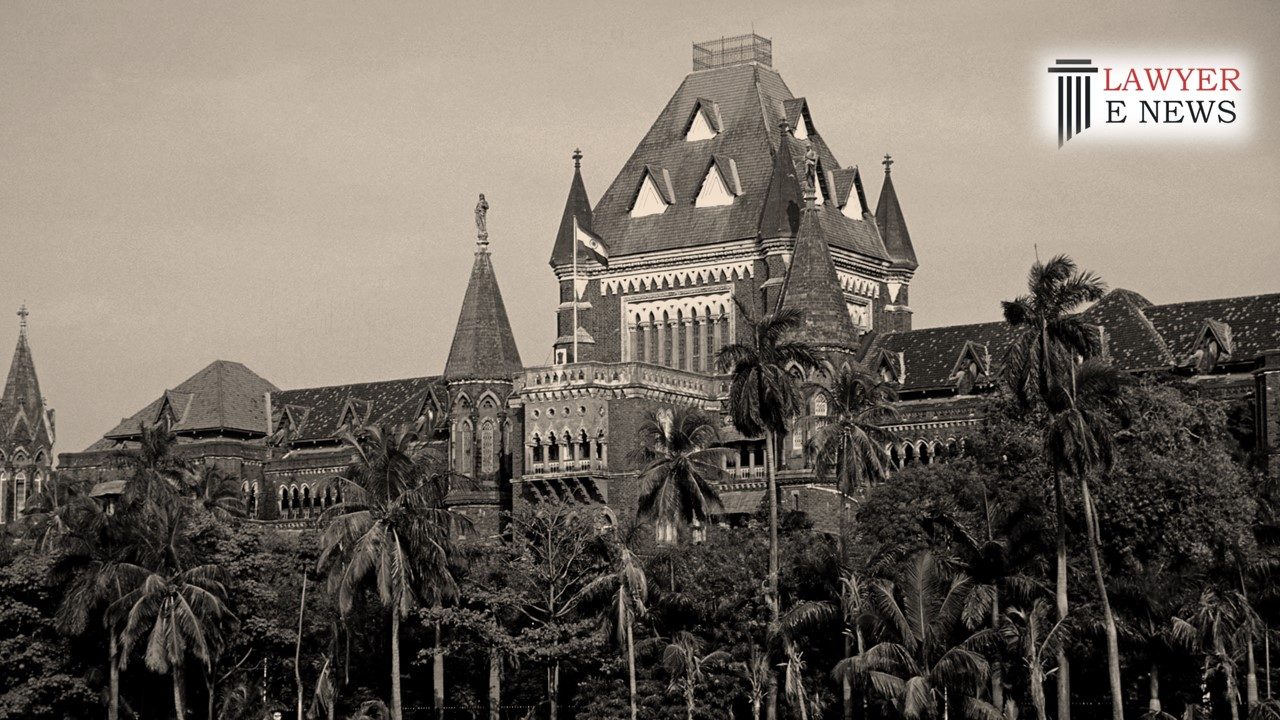
Bombay High court directed that if the statutory authority decides to issue a notice, both parties should avoid unnecessary adjournments to expedite the proceedings.
This landmark verdict reiterates the necessity of upholding democratic values and ensuring that elected officials are removed only through a legally rigorous process, protecting their rights and the interests of their constituents.
Date of Decision: 26 October 2023
Smt. Surekha VS The State of Maharashtra