-
by sayum
03 October 2026 9:56 AM







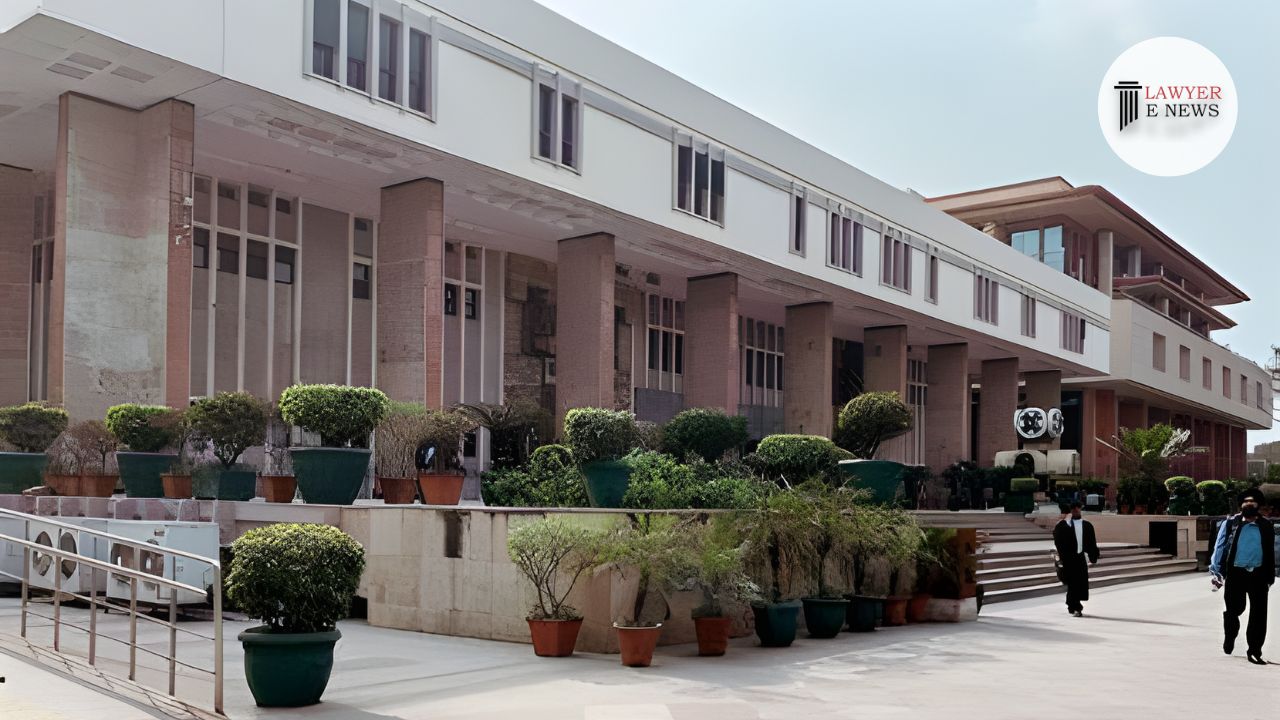
The Delhi High Court, comprising of the Hon’ble Chief Justice and Hon’ble Mr. Justice Subramonium Prasad, recently delivered a judgment concerning the constitutional validity of Section 23(1) of the Maintenance and Welfare of Parents and Senior Citizens Act, 2007. The Court held that the provision restricts its applicability to gifts made by senior citizens only after the commencement of the Act. The petitioner had challenged the validity of this restriction, seeking its removal to allow senior citizens to revoke gifts made prior to the Act’s commencement.
The petitioner, Charanjit Singh Ahluwalia, a senior citizen, alleged that his two sons had fraudulently obtained gift deeds for a property he owned, depriving him of the income generated from the property. He further claimed that his sons mistreated and abused him, leaving him fearful of filing a complaint with the police due to his age and vulnerability.
The petitioner argued that the purpose of the Senior Citizens Act Is to protect senior citizens and ensure their well-being. According to him, the Act should be interpreted to permit senior citizens to revoke gifts made prior to its commencement, allowing them to reclaim their properties when they are not being properly maintained by the donees.
However, the Court examined the language and intent of Section 23(1) and the Senior Citizens Act as a whole. It observed that the provision clearly restricts its application to gifts made after the Act came into force. The Court cited well-established principles of statutory interpretation, emphasizing that unless the terms of a statute expressly provide or necessarily require retrospective operation, it should be given prospective effect.
The Court further highlighted that every word used by the legislature is presumed to be intentional, and the literal rule of interpretation requires that the language of a statute be given its plain and clear meaning. It cautioned against the judiciary crossing the line between adjudication and legislation and reframing legislation that the legislature did not intend.
In light of these principles, the Court held that Section 23(1) of the Senior Citizens Act does not have retrospective effect. It noted that the provision seeks to protect the rights of donees and avoid disturbing family arrangements and vested rights. The Court stated that the legislature, while enacting the Act, was conscious of not giving retrospective operation to vested rights, despite the Act’s welfare objective.
Consequently, the Court dismissed the petition and directed the competent authority to adjudicate the petitioner’s case under the Senior Citizens Act in accordance with the law.
This judgment by the Delhi High Court provides clarity on the retrospective application of Section 23(1) of the Senior Citizens Act, affirming the legislative intent to protect existing rights of donees and maintain stability in family arrangements.
Date: May 12, 2023
CHARANJIT SINGH AHLUWALIA. vs UNION OF INDIA