-
by sayum
29 August 2026 3:15 PM







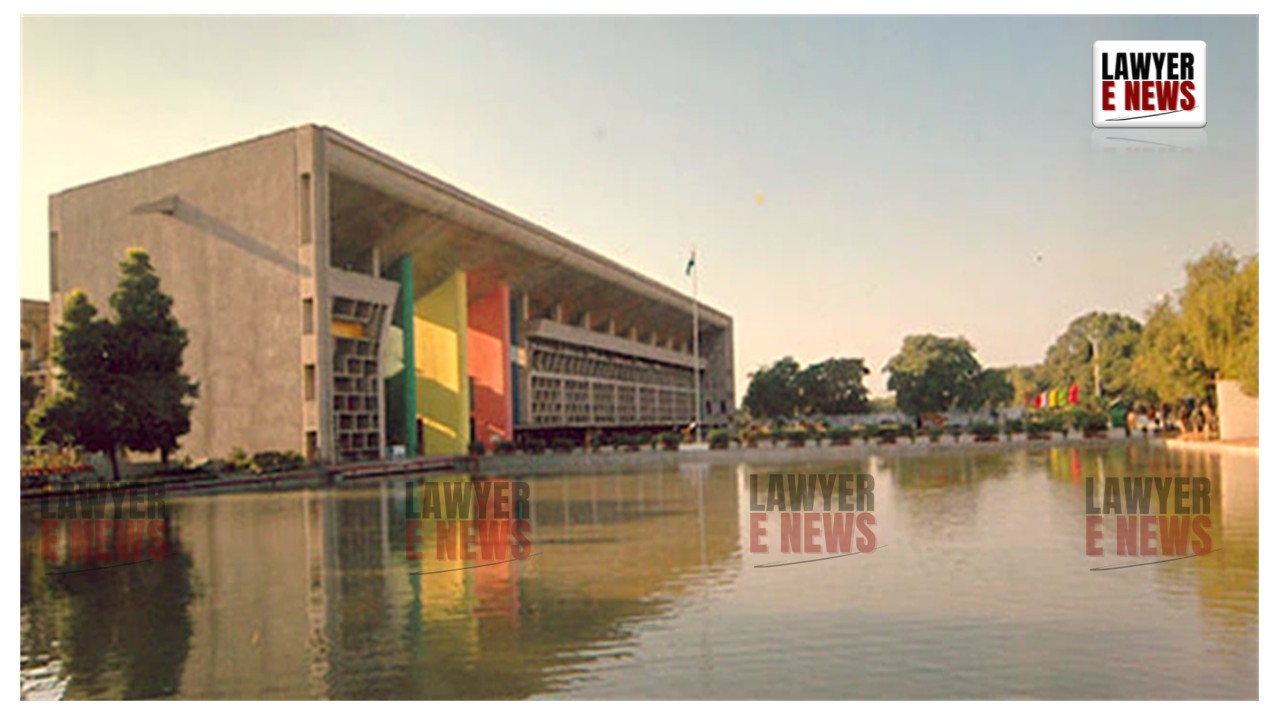
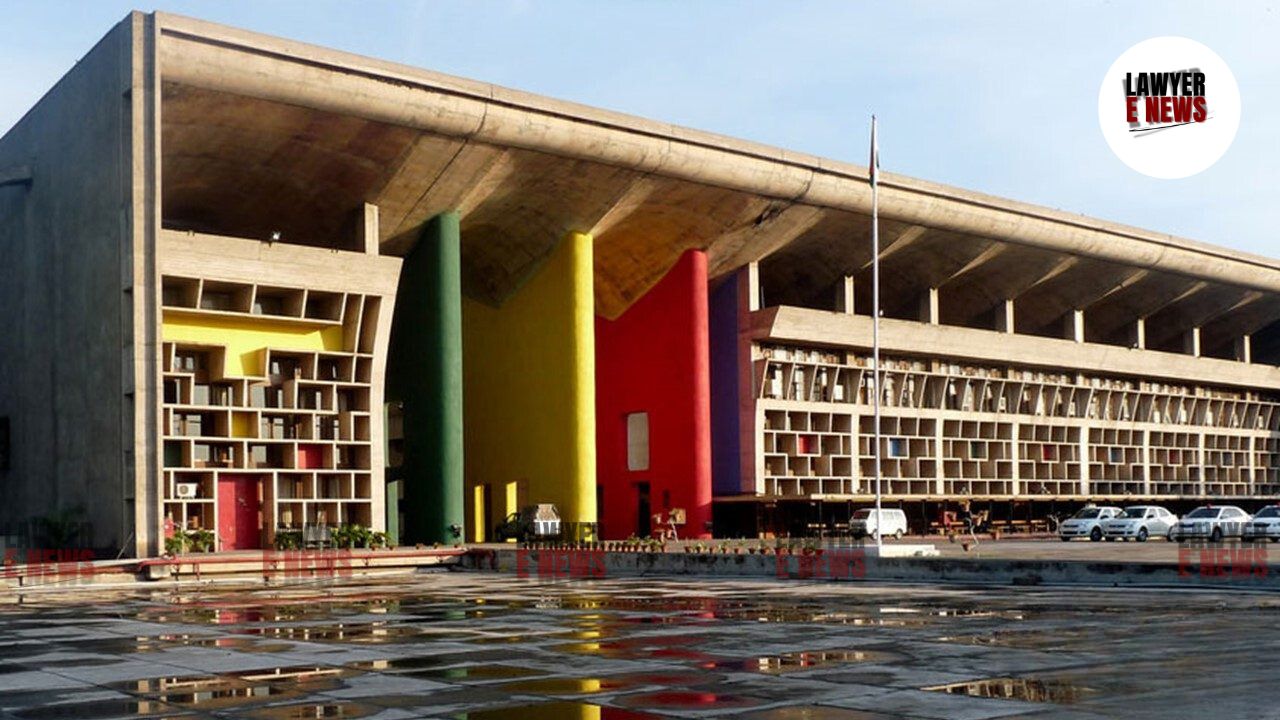
“Examination-in-chief, untested by cross-examination, undoubtedly in itself, is an evidence” — Punjab & Haryana High Court (Justice Rajesh Bhardwaj) upheld an order summoning six additional accused under Section 319 CrPC in a 2020 Tarn Taran murder case. Reiterating the Constitution Bench ruling in Hardeep Singh, the Court underscored that “cross-examination is not a sine qua non” at the 319 stage; the trial court may act on the examination-in-chief itself if the material is strong and cogent.
The FIR (No. 0173/2020, PS Bhikhiwind) alleged a fatal attack near a petrol pump on Khemkaran Road, Tarn Taran. An SIT later filed staged reports declaring several named persons “innocent,” and the supplementary challan went only against two accused. After the complainant appeared as PW-1 and reiterated specific roles of the others, the Sessions Court, Tarn Taran, invoked Section 319 on June 7, 2024 to summon six more. In revision, the petitioners argued that nothing “new” emerged and that, absent cross-examination—and in light of the SIT’s CCTV/CDR-based exoneration—the 319 power could not be used.
The High Court framed the core legal point with clarity: “At the 319 stage, does the law insist on cross-examination before a person can be summoned?” Its answer leaned on Hardeep Singh: “Section 319 is an extraordinary power… to be exercised sparingly and only on strong and cogent evidence,” yet “examination-in-chief… undoubtedly in itself, is an evidence,” and the court must not conduct a “mini-trial.”
The Bench added a crucial textual reminder: “the statute uses the words ‘such person could be tried’ and not ‘should be tried’,” marking the threshold as more than prima facie but well short of a full merits adjudication. “Cross-examination is not a legal precondition; what matters is the strength and cogency of the material that has surfaced in court.”
Rejecting reliance on the SIT’s “clean chit,” the Court observed that investigative opinions “are not binding on the court.” Where “two versions” exist, the trial—not the 319 hearing—is the forum to test alibi and contradictions. Finding the complainant’s sworn testimony sufficient to cross the Hardeep Singh threshold, the Court concluded: “no infirmity in the impugned order… the present revision petition is… dismissed.” It also clarified that it expressed no view on ultimate guilt.
The ruling nails down a recurring confusion in Section 319 jurisprudence: “cross-examination can wait; summoning need not.” If the examination-in-chief yields strong and cogent material showing that a person could be tried for the offence, the court may add them as an accused without first subjecting the witness to cross-examination or staging a mini-trial. That is precisely what the High Court has affirmed here.
Date of Decision: August 12, 2025