-
by sayum
08 October 2026 12:03 AM







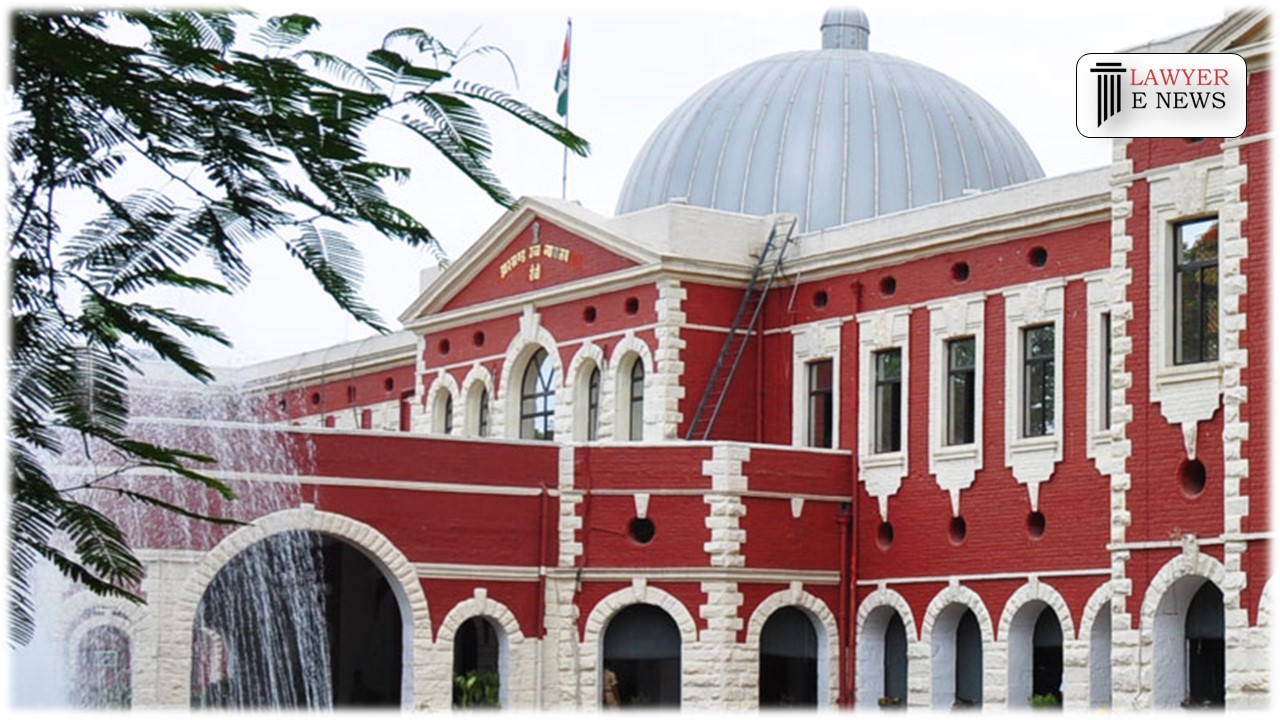
High Court orders medical examination to reconsider sentencing under Dowry Prohibition Act in light of petitioner’s psycho-medical condition.
The High Court of Jharkhand has upheld the conviction of Ranjit Singh under Section 4 of the Dowry Prohibition Act, 1961, affirming the trial and appellate courts’ findings. Justice Anubha Rawat Choudhary’s judgment emphasizes the credibility of the witness testimonies and highlights the limited scope for interference in revisional jurisdiction. The court, however, directed a medical examination of the petitioner to reconsider the sentence in light of his psycho-medical condition.
The case originated from a complaint filed by Rina Singh, who alleged that her husband, Ranjit Singh, and his family had demanded dowry, including a Maruti car, color TV, and fridge, during and after the marriage. Despite fulfilling some demands, the cruelty continued, leading Rina Singh to flee to her parental home. The complaint was initially lodged under Sections 498A, 342, 323 of the Indian Penal Code and Sections 3 and 4 of the Dowry Prohibition Act. The trial court convicted Ranjit Singh under Section 4 of the Dowry Prohibition Act, sentencing him to six months’ imprisonment and a fine. The appellate court upheld the conviction but modified the default sentence to one month’s imprisonment.
Credibility of Witness Testimonies:
Justice Anubha Rawat Choudhary underscored the importance of witness testimonies in dowry-related cases. “The consistent evidence provided by the victim and her family members substantiates the demands for dowry and the consequent cruelty,” noted the court. The trial court had convicted Ranjit Singh, the husband, based on consistent testimonies regarding demands for a Maruti car, color TV, and fridge, which were corroborated by the victim’s family members.
Revisional Jurisdiction:
The court reiterated the limited scope of revisional jurisdiction, stating, “The primary function of the revisional court is to correct miscarriages of justice arising from legal misconceptions or procedural irregularities.” Justice Choudhary emphasized that the revisional court is not meant to re-evaluate all questions of fact or law but to ensure that substantial justice has been served.
The judgment discussed the legal principles surrounding the Dowry Prohibition Act. It highlighted that mere demand for dowry constitutes an offense under Section 4 of the Act. “The prosecution has successfully established that the petitioner continued to demand dowry, which justifies his conviction,” the court stated.
Medical Examination for Sentencing: The court directed a comprehensive medical examination of Ranjit Singh to evaluate his psycho-medical condition, which had been raised as a ground for leniency in sentencing. “Before exercising any power to reduce the minimum sentence, the petitioner’s psycho-medical condition needs thorough examination,” the court ordered. The examination is to be conducted by a team including the Civil Surgeon and experts from the Central Institute of Psychiatry, Ranchi.
Justice Anubha Rawat Choudhary remarked, “The credibility of the prosecution witnesses and the corroborative nature of their testimonies play a pivotal role in upholding the conviction.” On the issue of revisional jurisdiction, the court noted, “Revisional interference is justified only to correct substantial miscarriages of justice.”
The High Court’s decision to uphold the conviction under Section 4 of the Dowry Prohibition Act reinforces the judiciary’s stance against dowry demands and associated cruelty. The court’s directive for a medical examination before reconsidering the sentence reflects a balanced approach, ensuring that justice is served while taking into account the petitioner’s health condition. This judgment is significant in its affirmation of the legal framework addressing dowry-related offenses and its careful consideration of the sentencing process.
Date of Decision: 17th May 2024
Ranjit Singh @ Ranjeet Singh vs. The State of Jharkhand