-
by sayum
29 August 2026 3:15 PM







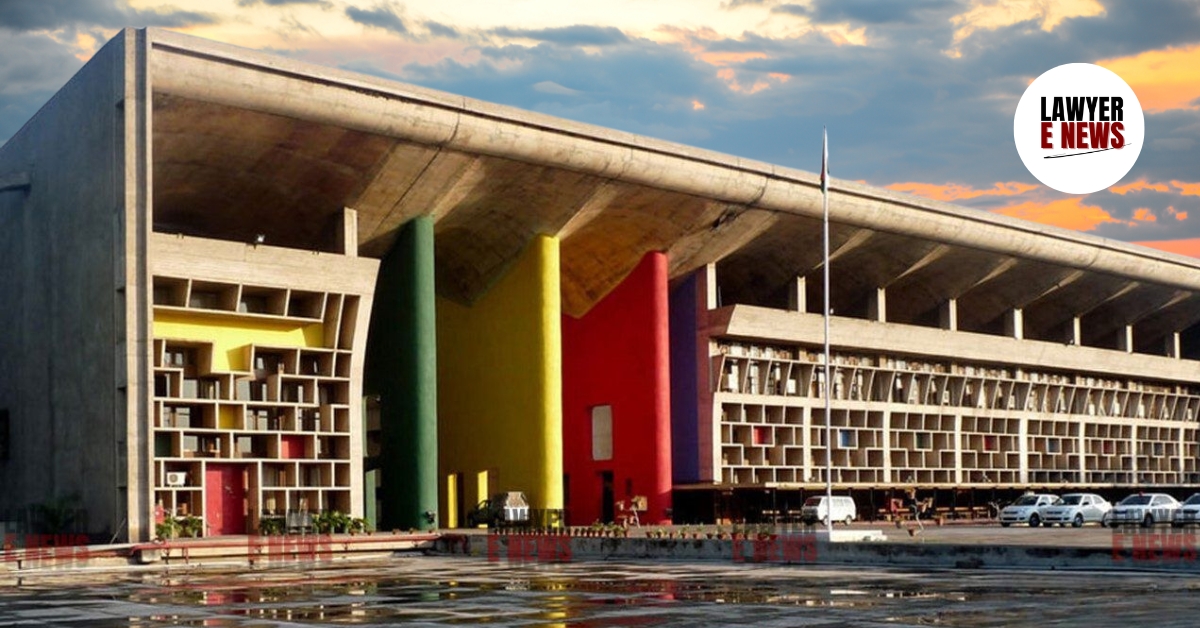
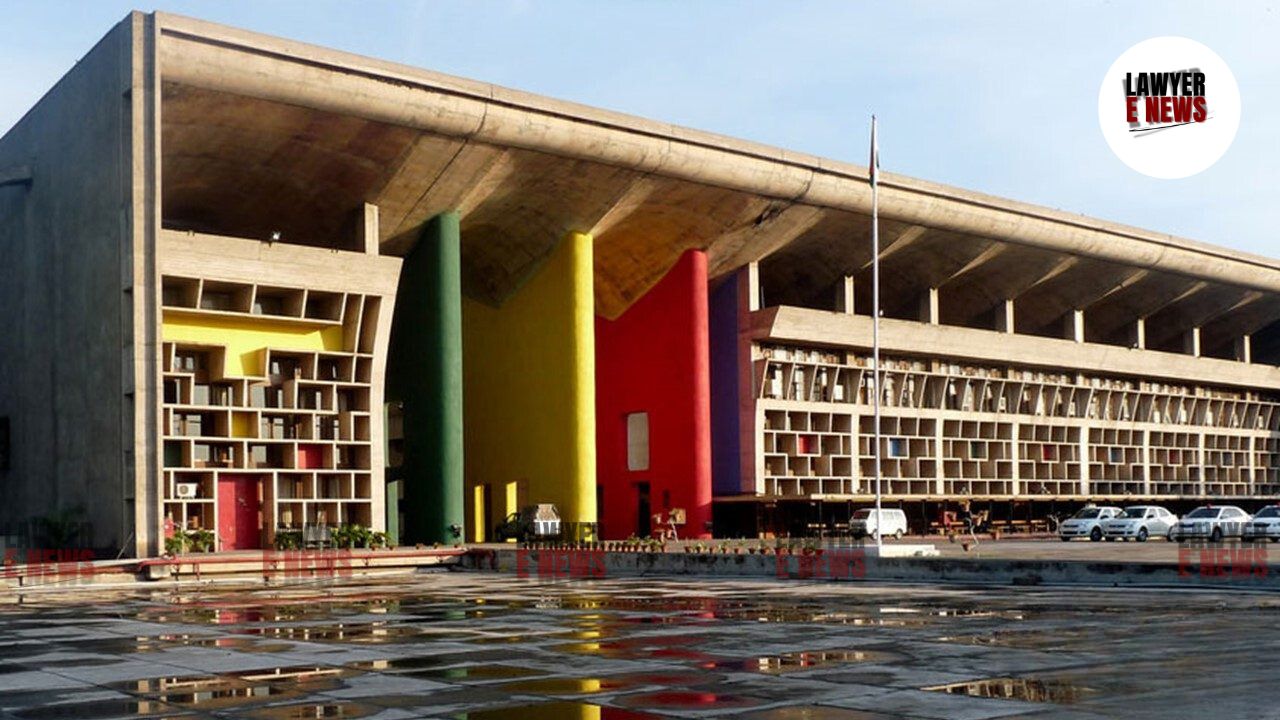
“No revision would lie… against the decision on the question of inadequacy of court fee” — Punjab & Haryana High Court (Justice Vikas Bahl) dealt with a challenge to the trial court’s refusal to reject a plaint under Order VII Rule 11 CPC by leaning on a settled maintainability rule: questions of court-fee adequacy are a matter between the litigant and the Registry, not a ground for a defendant’s revision. In petition was ultimately dismissed as withdrawn with liberty to press the court-fee and all other available pleas at trial, to be considered independently and uninfluenced by the impugned order.
The defendants had moved under Order VII Rule 11 CPC, asserting improper valuation and non-payment of ad valorem court fee. The Civil Judge (Jr. Div.), Sri Anandpur Sahib, dismissed that application on September 6, 2022. The defendants invoked Article 227, but ran into a jurisdictional headwind drawn from a coordinate bench ruling in Arun Kumar Goyal v. Payal Aggarwal, and the Full Bench decision in M/s Arjan Motors v. Girdhara Singh: a defendant’s revision does not lie on court-fee inadequacy; only where a jurisdictional issue is involved can revisional interference be sought.
The High Court recorded the principle in crisp terms: “no revision would lie at the instance of the defendant against the decision on the question of inadequacy of court fee,” because “the question of non-payment of court fee is a dispute between the litigant and the Registry.” It noted the line of authorities including Shamsher Singh v. Rajinder Prashad (1973 PLJ 686), Vasu v. Chakki Mani (AIR 1962 Ker 84), and the Full Bench in Arjan Motors, to underline that absent a jurisdictional facet, revisional scrutiny is unavailable.
At that stage, counsel for the petitioners sought to withdraw the revision with a prayer that their court-fee objection and other defences be kept open; counsel for the respondent expressed no objection.
Acceding to the consensual course, the Court dismissed the civil revision as withdrawn, expressly granting liberty to raise all pleas, including court-fee, in the written statement and at trial. Crucially, it directed the trial court to decide those issues “independently, de hors” the earlier order while rendering the final judgment after hearing both sides.
The order is a pointed reminder that maintainability matters: defendants cannot use Article 227 to re-litigate court-fee adequacy, which the law treats as an issue between the party and the court’s Registry. The proper course—followed here—is to reserve the objection for trial, where it must be adjudicated on its own merits without being coloured by interlocutory observations.
Date of Decision: August 12, 2025