-
by sayum
03 November 2026 11:25 AM







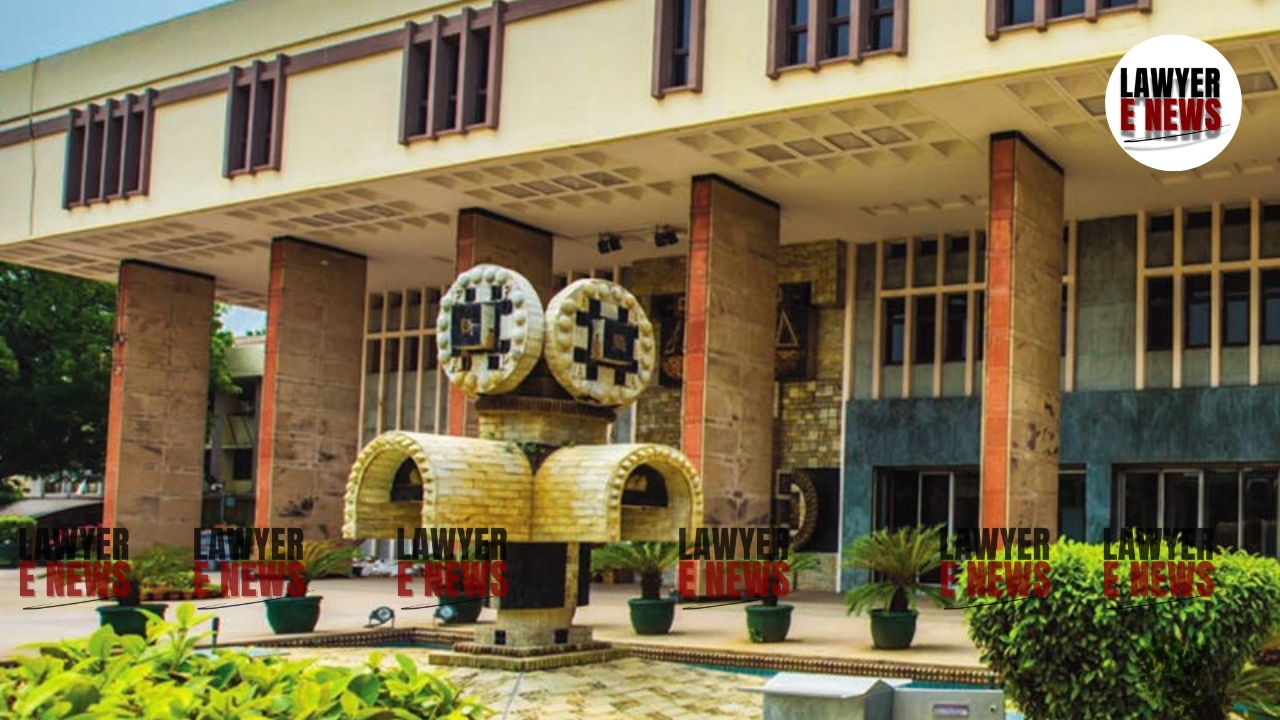
"The plaintiff is not the author of the books. The question whether she can claim any copyright over literary works which were authored by different writers and published by a partnership firm, and whether she has any indefeasible right therein, is an issue which would require greater scrutiny and adjudication." Delhi High Court, in a significant ruling dated 07 October 2026, held that a plaintiff who is not the author of a literary work must disclose the specific instrument of assignment through which they derived their title to successfully maintain a claim for infringement.
A bench presided by Justice Purushaindra Kumar Kaurav observed that in the absence of a clear, unbroken chain of title—specifically written assignments as mandated by the Copyright Act—a plaintiff cannot establish a prima facie case for an interim injunction against the alleged infringement of copyrights.
Plaintiff Failed To Establish Clear Title
The suit was instituted by the widow of a deceased partner against the family firm and its associated entities, alleging the illegal publication and sale of 47 literary titles. The plaintiff claimed to derive her copyright through a Will executed by her husband, who in turn had inherited the rights through a Will from his father, who had reportedly acquired them from a publisher in the 1960s. The court noted that the plaintiff did not produce any document of assignment from the original authors of the books in favour of the publisher or the predecessors-in-title.
Copyright Ownership Requires Documentary Proof
The court underscored that the Copyright Act provides a strict regime for the transfer of ownership. Section 17 of the Act establishes the author as the first owner of the copyright. Any person claiming to be a successor must demonstrate that the title was transferred through a valid assignment under Section 18, which Section 19(1) mandates must be in writing and signed by the assignor.
Strict Construction Of Assignment Provisions
The bench clarified that since the plaintiff admitted the titles were authored by third parties, the burden rested heavily on her to bridge the gap between the authors and herself. The court held that vague settlement agreements or certificates from publishers, unsupported by evidence of the original authors' intent or valid assignment, are insufficient to create a prima facie right.
Reliance On Established Precedents
Referring to the decision in Tech Plus Media (P) Ltd. v. Jyoti Janda, the court reiterated that a plaintiff who is not the author is duty-bound to disclose the instrument under which the author made the plaintiff the owner. The court further emphasized that "a legatee takes only what the testator held," and therefore, testamentary documents cannot fill the void created by the absence of an initial valid assignment.
Court Refuses To Conduct Mini-Trial
The bench maintained that the authenticity of the Wills and the chain of title are contentious issues that require evidence and trial. Invoking the principles laid down by the Supreme Court in Shruti Manav Sharma v. Sunanina Singh, the court cautioned against conducting a mini-trial at the interlocutory stage. Consequently, it found that the plaintiff had failed to establish a prima facie case, rendering the application for injunction liable for rejection.
"A claim to copyright which rests on disputed testamentary instruments, and whose root in an assignment by the authors is not disclosed, does not demonstrate the existence of a prima facie right as contemplated in Dalpat Kumar (supra)."
No Irreparable Injury Or Balance Of Convenience
Beyond the failure to prove prima facie title, the court noted that the books in question had been published for decades under the family firm’s banner without prior objection. The plaintiff’s primary grievance, as deduced from her prayer for rendition of accounts, was effectively a financial dispute regarding revenue sharing. The court held that such financial loss is capable of computation and can be adequately compensated by damages if the plaintiff eventually succeeds at trial.
The court dismissed the application for an interim injunction, noting that restraining the defendants from dealing in these titles before the conclusion of the trial would cause them greater inconvenience. It clarified that these findings were only for the purpose of the interlocutory stage and would not influence the final adjudication of the suit. All questions regarding the validity of the Wills and the authorship remain open for trial.
Date of Decision: 07 October 2026